Web Stories
The Age You Get Your First Period Could Predict Your Future Health: Here’s What The Latest Research Says

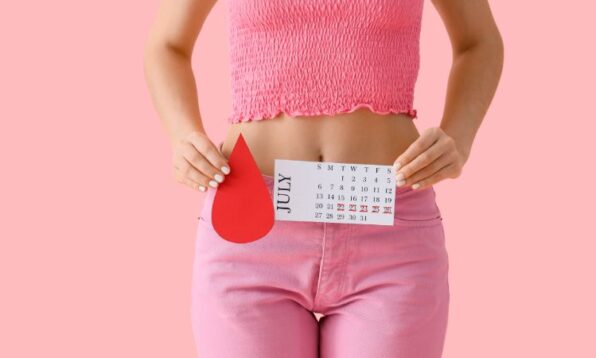
Most of us remember roughly when we got our first period. We remember it as an awkward milestone. We remember where it happened and how we felt in the moment. But the age we got our first period becomes a forgotten detail. Research over the last decade, however, has revealed that the age at which you get your first period, medically known as menarche, isn’t just a random number. It can offer surprisingly valuable clues about your long-term health, from your risk of heart disease and diabetes to certain cancers and even how long you might live.
Of course, getting your period early or late doesn’t mean you’re destined to develop these conditions. Genetics, lifestyle, nutrition and environment all play enormous roles. But scientists increasingly see age at menarche as an early biological marker that helps identify health risks decades before symptoms appear.
Why your first period matters more than you think
The average age of menarche varies across countries but generally falls between 12 and 13 years. Studies show that girls around the world are starting puberty earlier than previous generations, with researchers observing a gradual decline in the average age of menarche over the past century. This shift is thought to be linked to overnutrition, rising childhood obesity, environmental factors, and overall changes in living conditions.
While early puberty may seem like just another variation of growing up, researchers have found that it often reflects how the body develops, stores fat, regulates hormones, and responds to environmental influences. These same biological pathways continue affecting health throughout adulthood.
Early periods are linked to more than awkward school memories

One of the strongest findings across medical research is that girls who begin menstruating before age 12 often face a higher risk of several chronic diseases later in life. Early menarche has been associated with type 2 diabetes, obesity, high blood pressure, stroke, and coronary heart disease. Researchers believe prolonged exposure to estrogen throughout life may partly explain these associations. Girls who start menstruating earlier experience more reproductive years, which means longer cumulative hormonal exposure. Women who had their first period around age 13 generally showed the lowest overall health risks.
The age at first period is shifting in India too. A 2024 study analysed data from over 5.7 lakh Indian women across three rounds of the National Family Health Survey (NFHS). Researchers found that the average age at menarche in India is 13.49 years, but it has been steadily declining over the past few decades. Girls born between 2002 and 2006 got their first period, on average, earlier than those born between 1942 and 1946, suggesting that Indian girls are entering puberty sooner than previous generations. The study also found that 17.2 per cent of Indian women experienced early menarche, while 16.7 per cent experienced late menarche.
Breast cancer is also a concern
Most people have heard that early puberty may increase breast cancer risk. That’s true, but it isn’t the only cancer researchers are watching. Beginning menstruation before age 12 is associated with a slightly higher risk of breast cancer because breast tissue is exposed to estrogen for a longer period. Similar links have also been observed for endometrial cancer. The increased risk isn’t too high for every individual, and plenty of women who started menstruating early never develop cancer. However, when viewed across millions of people, the association becomes statistically significant.
Your childhood can influence your period timing
Genes explain a large part of when puberty begins, but they’re far from the only factor. Scientists now know that childhood weight, nutrition, physical activity, stress, and even exposure to certain environmental chemicals can influence when periods begin. Childhood obesity has emerged as one of the biggest contributors to earlier puberty worldwide. Fat tissue produces hormones that can influence reproductive development, helping trigger puberty sooner. Researchers have also investigated whether endocrine-disrupting chemicals found in some plastics, cosmetics and pesticides may affect puberty timing. While evidence is still evolving, many experts believe environmental exposures deserve closer attention. In other words, your first period reflects not just your reproductive system but the environment your body grew up in.
What are early menarche health risks?

Before you start calculating exactly how old you were when your first period arrived, here’s the reassuring part. Age at menarche is a risk marker, not a diagnosis. If you started menstruating at 10, it doesn’t mean heart disease is inevitable. If your period came at 15, it doesn’t mean you’ll definitely develop osteoporosis. Instead, doctors can use this information alongside family history, weight, blood pressure, cholesterol, lifestyle, and other medical factors to build a clearer picture of long-term health. It’s similar to knowing whether high blood pressure runs in your family. It helps identify areas worth monitoring, not predict your future with certainty.
So… should you actually remember the age?
Yes. Many women can roughly recall when they got their first period, and doctors sometimes ask about it during medical history assessments. That single detail can offer useful context, especially when evaluating hormone-related conditions, fertility concerns, or long-term cardiovascular risk. It also reinforces an important message: puberty isn’t just about adolescence. The way our bodies develop in childhood can echo across decades.
Featured Image Source
More from All About Eve
Working Women In India Are More Likely To Face Domestic Violence. The Reason Is Shocking
AI Will Take Women’s Jobs First: Are You Prepared?
45 Egg Donations By One Woman: How A Fertility Racket In Maharashtra Exploited Poor Women
₹10 Billion Lost Every Year: Why Water Is One Of The Biggest Obstacles To Gender Equality
Night Shifts Increase Chances Of Breast Cancer By 32%: Millions Of Indian Women At Risk
- Share:
-

-

-