Web Stories
Karwa Chauth 2026: Did Women Always Fast For Their Husbands, Or Is This A Story We Have Chosen To Believe?

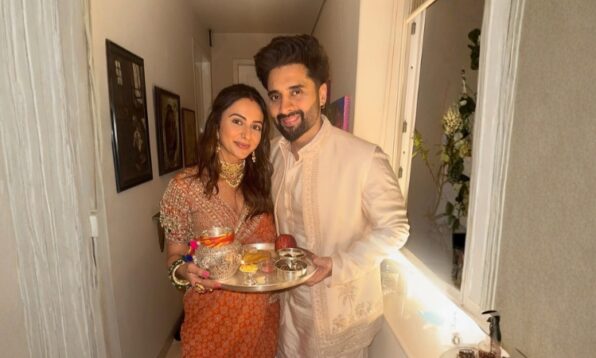
Every year, as Karwa Chauth approaches, the same images return. Women dress in their finest, apply mehendi, gather for rituals, and wait for the moon. After an entire day without food or water, they look at the moon through a sieve before turning to their husbands. The fast is presented as an expression of love, faith and devotion, undertaken for the longevity and well-being of the man they married. But there is a question we rarely ask: was Karwa Chauth always meant to be a day of fasting for a husband’s long life? Or is there another story we’ve forgotten?
What do we actually know about the history of Karwa Chauth?
The word ‘karwa’ refers to an ‘earthen pot’, while ‘chauth’ refers to the ‘fourth day’. Today, the festival is widely associated with married women fasting for their husbands’ longevity, safety, and prosperity. However, nobody knows exactly who started Karwa Chauth or what its original purpose was. Several explanations have been passed down through generations.
One theory connects the festival to the agricultural calendar, as it falls around the beginning of the rabi sowing season in North India. Earthen pots were traditionally used to store grain, leading to speculation that the festival may have agricultural roots.
Another explanation suggests that women began fasting when their husbands travelled long distances or went away to fight wars. With no easy way to know whether their loved ones were safe, women supposedly prayed for their husbands’ protection and safe return.
Then there is the story of Veeravati, a woman who observes a strict fast for her husband’s longevity. Unable to see her hungry, her brothers trick Veeravati and convince her that the moon has risen, making her break her fast. Her husband subsequently dies, and others tell her that her mistake has caused his death. She observes the fast again, and her devotion eventually brings him back to life.
Other accounts draw parallels with Savitri, who pleads with Yama, the god of death, to restore her husband Satyavan’s life, and Draupadi, who, according to popular retellings, seeks Krishna’s guidance when Arjuna faces danger.
None of these stories establish Karwa Chauth’s history, but they connect the festival to the wider cultural ideal of a woman’s devotion to her husband. But there’s another interesting tale that we are never told.
Was Karwa Chauth about sisterhood?

In communities where women traditionally moved into their husbands’ homes after marriage, a new bride could find herself living among strangers, far from her own family and familiar surroundings. One story associated with Karwa Chauth suggests that women formed special bonds with female friends, sometimes described as dharam behen or sisters by choice, who offered companionship and support in their new lives. These relationships could be ritually recognised and treated almost like family ties.
When marriage meant building a life far away from the people a woman had known longest, having a friend to turn to could make that transition less isolating. So why is Karwa Chauth now all about a husband’s long life?
If the world has changed, why hasn’t the expectation?
Whatever story we believe about Karwa Chauth, the world it came from no longer exists. Women may have once fasted while their husbands went to war, but that fear no longer defines most marriages. Yet the expectation that a wife must fast for her husband’s long life remains, even as ideas of a good marriage have changed.
And what about the dangers women face? Women continue to deal with sexual harassment, domestic violence, coercive relationships, and threats to their safety. A wife’s fast cannot protect her from these realities, just as her hunger cannot guarantee her husband’s long life. If the ritual is about praying for a partner’s safety, why is that responsibility so rarely imagined as reciprocal? Perhaps husbands, too, should be praying for their wives to live in a world where they don’t have to fear harassment, violence, or the men around them.
Featured Image Source
More from All About Eve
Karwa Chauth In The 21st Century: A Tradition Or A Trap?
Reclaim Your Traditions: 7 Ways To Give Karwa Chauth A Twist Of Equality This Year
5 Karwa Chauth Gifts That Won’t Break The Bank But Will Win Her Heart
Gender Equality And Karwa Chauth In The 21st Century: Can They Truly Co-Exist
7 Essential Karwa Chauth Tips For Bahu’s First KC, By Aunty Eve
- Share:
-

-

-