Web Stories
Women Are Expected To Create Festive Magic, But Who Creates It For Them?

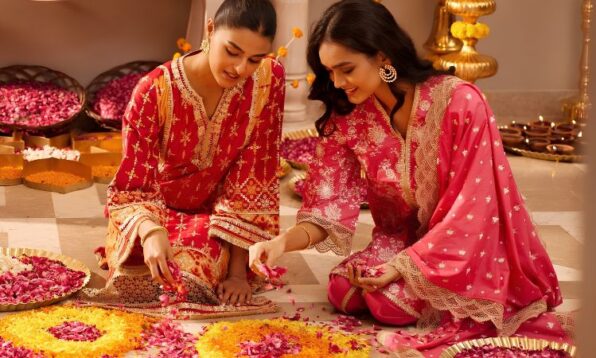
Every Indian festival promises a little magic. Homes glow with diyas, kitchens fill with the smell of sweets, and families gather around tables loaded with food. But behind all this festive cheer is often a woman who has spent days making sure everyone else has a good time. She remembers what to buy, which relatives are visiting, what needs cooking, and whether the house looks festive enough. She might have a full-time job, too, but apparently, the festive spirit does not recognise office hours. We love celebrating the magic women create. But do we ever stop to ask if they get to experience it?
The woman behind every perfect festival
Festivals do not simply happen. Someone has to plan, prepare, and pull everything together, and that responsibility often falls on women. The problem is not that women enjoy cooking festive food, decorating their homes or bringing their families together. Women are expected to do it even if they do not love it. When the food is ready, the house looks beautiful, and the guests are happy, the effort behind it all disappears. Everyone enjoys the celebration, while the woman who made it possible is expected to consider that her reward. Somehow, we have come to believe that a woman who makes a festival special for everyone else does not need anyone to make it special for her.

Festivals are supposed to offer a break from everyday life. For many women, festivals mean squeezing hours of cooking, cleaning, and organising around their usual responsibilities. Women with full-time jobs return from work to begin another shift at home, while homemakers are expected to work relentlessly because domestic work is considered their natural responsibility. Look at who gets to sit down and enjoy the feast, and who is still running between the kitchen and the dining table. The person who prepared the food barely gets a moment to eat it. The person who made the house welcoming for everyone else is too exhausted to enjoy the gathering herself.
This is not just about dividing chores. It is about whose time matters enough to protect. We have watched generations of women do this, so we mistake their exhaustion for devotion and inequality for tradition. But just because women have always done it does not mean they should have to.
We celebrate the goddess, but overlook the woman
During Navratri, we worship goddesses for their strength. During Diwali, we welcome Lakshmi into our homes as a symbol of prosperity. Our festivals are full of powerful female figures, yet the women around us are still expected to be endlessly giving, patient, and available. We praise mothers for their sacrifices and celebrate women’s ability to hold families together. But why is a woman’s selflessness considered admirable while her need for rest is treated as an inconvenience? There is nothing wrong with finding meaning in these traditions. The contradiction lies in celebrating feminine power while taking the women in our lives for granted. Being the heart of a home should not mean being responsible for holding everything together, even when it comes at the cost of your own happiness.
What if women got to experience the magic, too?
Every festive season, women are praised for doing it all. But a heartfelt thank-you does not give someone back the hours they spent making everyone else’s celebration possible. What women need is not just appreciation, but participation. Men can plan the celebrations, prepare meals and organise family visits without waiting to be told what to do. Children can learn that keeping a home running is everyone’s responsibility. Families can also let go of the pressure to make everything perfect. Must every dish be homemade? Does every room need to be spotless? Can a woman say no to hosting without being made to feel guilty?

Imagine a Diwali where a woman can get dressed without answering a dozen requests, enjoy a meal without serving everyone else first, and spend time with her family without mentally tracking unfinished tasks. We don’t need expensive gifts or grand gestures to create festive magic for a woman. We can make it happen by taking responsibility without waiting to be asked, respecting her decision not to host, and ensuring she enjoys the celebration instead of managing it.
Women should not have to earn the right to rest by first making everyone else comfortable. They should not have to choose between preserving a cherished tradition and preserving their own peace. So, this festive season, look beyond the beautiful decorations, the elaborate meals, and the perfect family photographs. Look at the woman who made them possible. Is she enjoying the celebration, or is she too busy making sure everyone else does?
Featured Image Source
More from All About Eve
Pearls Are Making A Bridal Comeback. Here’s How To Wear Them In 2026-27
The Rise Of Mounjaro Brides: Is India’s Obsession With The Perfect Bride Now A Medical Emergency?
Lab-Grown Gold: Is This A Sham Or The Answer To Record-Breaking Gold Prices?
- Share:
-

-

-