Web Stories
₹10 Billion Lost Every Year: Why Water Is One Of The Biggest Obstacles To Gender Equality

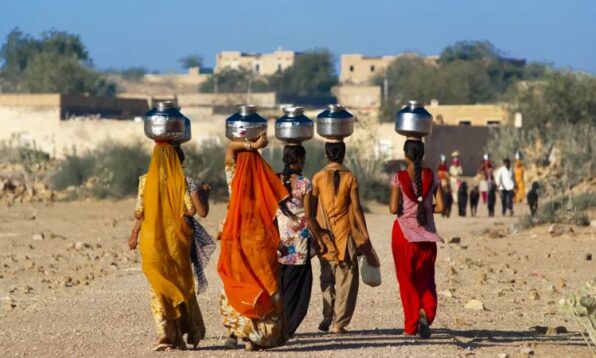
For most of us, having access to water is not an event. We don’t plan our day around it or queue for it. However, for a large number of Indian women, water is the day. It’s three or four hours of walking, queuing, and carrying a heavy pot home before any other work, paid or unpaid, can even begin. And this is their routine every single day. We tend to discuss the water crisis in India as an environmental issue. But spend a little time with the numbers, and it becomes obvious that this is really a labour story, a health story, an education story, and above all, a story about gender.
The walk that never shows up on a payslip
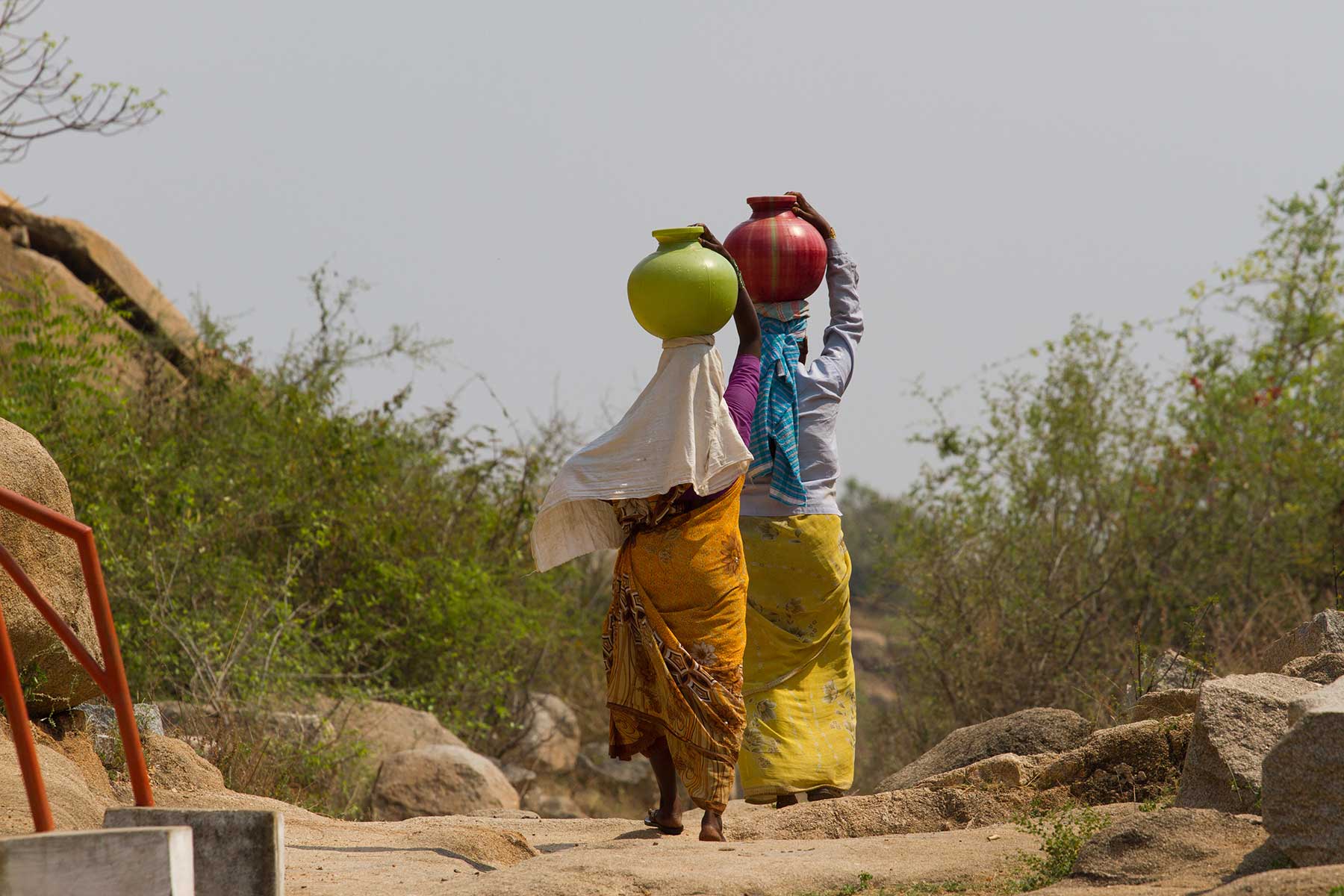
While we’re all vaguely aware India has a water crisis, the figures still make you gasp. Indian women collectively lose 150 million workdays every year just fetching water for their households, according to research by International Development Enterprises (IDE). One estimate values that lost time at around ₹10 billion a year in national income. These numbers show that it’s an economy running on labour nobody counts, and it is almost entirely women bearing the brunt.
Why the bucket always finds the same hands
It’s worth asking why this job falls on women so consistently. Around the world, roughly 1.8 billion people are involved in fetching drinking water, and in seven out of 10 such households, it’s women or girls who do so. It’s a chore handed down by default rather than choice, the way daughters learn cooking from mothers. It isn’t that women “choose” domestic duty over paid work; it’s that water swallows the hours paid work would need.
A 2025 review of Jal Jeevan Mission progress notes that even with 85 per cent of rural households now having a water source within 200 metres, millions of rural women and girls still carry heavy containers back home. Distance isn’t the only burden; the physical load and repeat trips make it worse. These trips also cause injury, and women face 1.5 times greater odds of injury than men, according to a 2020 study in BMJ Global Health.
The cost that follows girls into the classroom
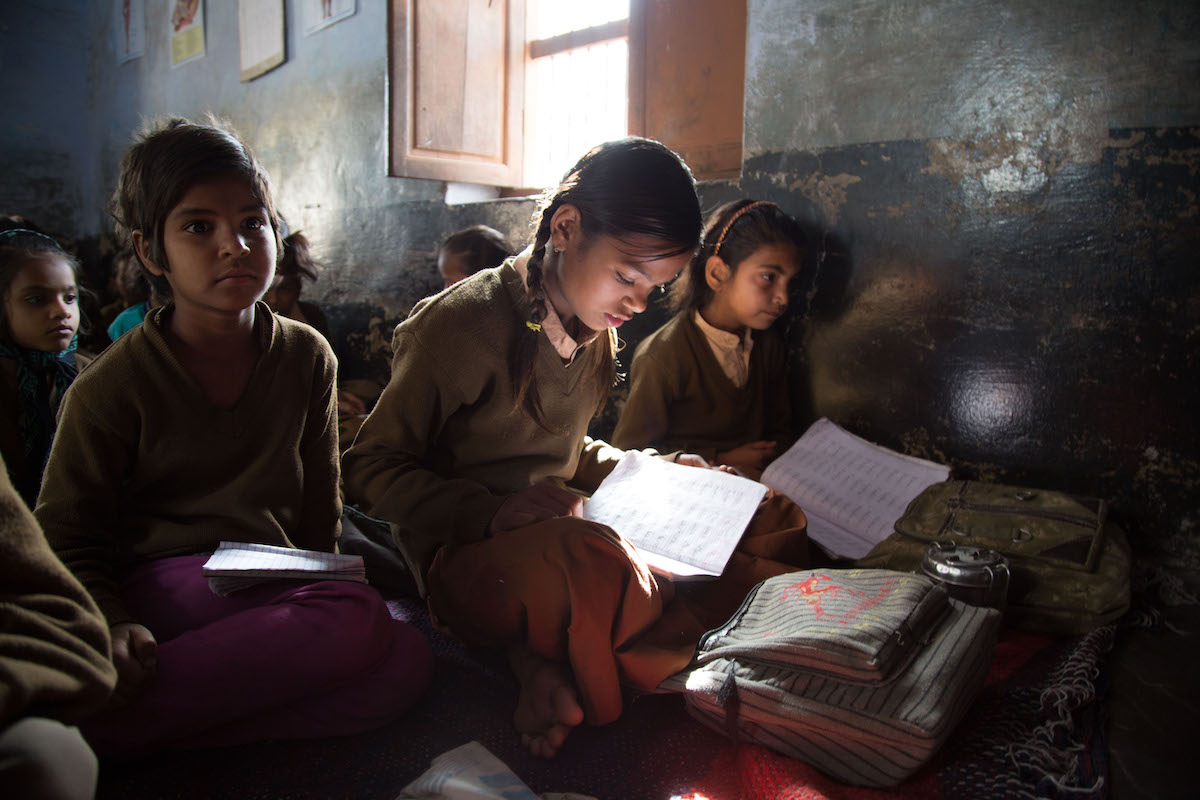
This burden doesn’t start in adulthood; children have to suffer too. Multiple surveys have shown that girls drop out of school largely for lack of safe sanitation. Many girls are already pulled into water duty, missing school more often until they stop going completely.
The academic cost is real, not just anecdotal: Indian children who spend longer fetching water tend to score lower in math, reading, and writing. A child who’s walked miles before school isn’t starting the day on equal footing with one who simply turned on a tap. Zoom out further, and the pattern shows up at a national scale too. India has actually gone backwards on women’s workforce participation over the last decade and a half. It slipped from 129th to 131st out of 148 countries on the World Economic Forum’s Global Gender Gap Index. It’s difficult to build a career, or even hold down steady part-time work, around a chore that has no fixed hours, no employer, and no end date in sight.
What changes when the walk disappears
Here’s the hopeful half: when water access improves, the payoff isn’t just comfort; it’s ambition. When piped water reached households in Malawi in East Africa, time spent collecting it fell by 77 per cent for women, 69 per cent for girls and 72 per cent for boys, around 3.8 hours saved weekly per household, most of it reclaimed by women and girls. Multiply that across millions of households, and it’s a genuine, measurable unlocking of human potential, currently sitting untapped at the bottom of a well.
Guaranteed water for data centres but not for humans
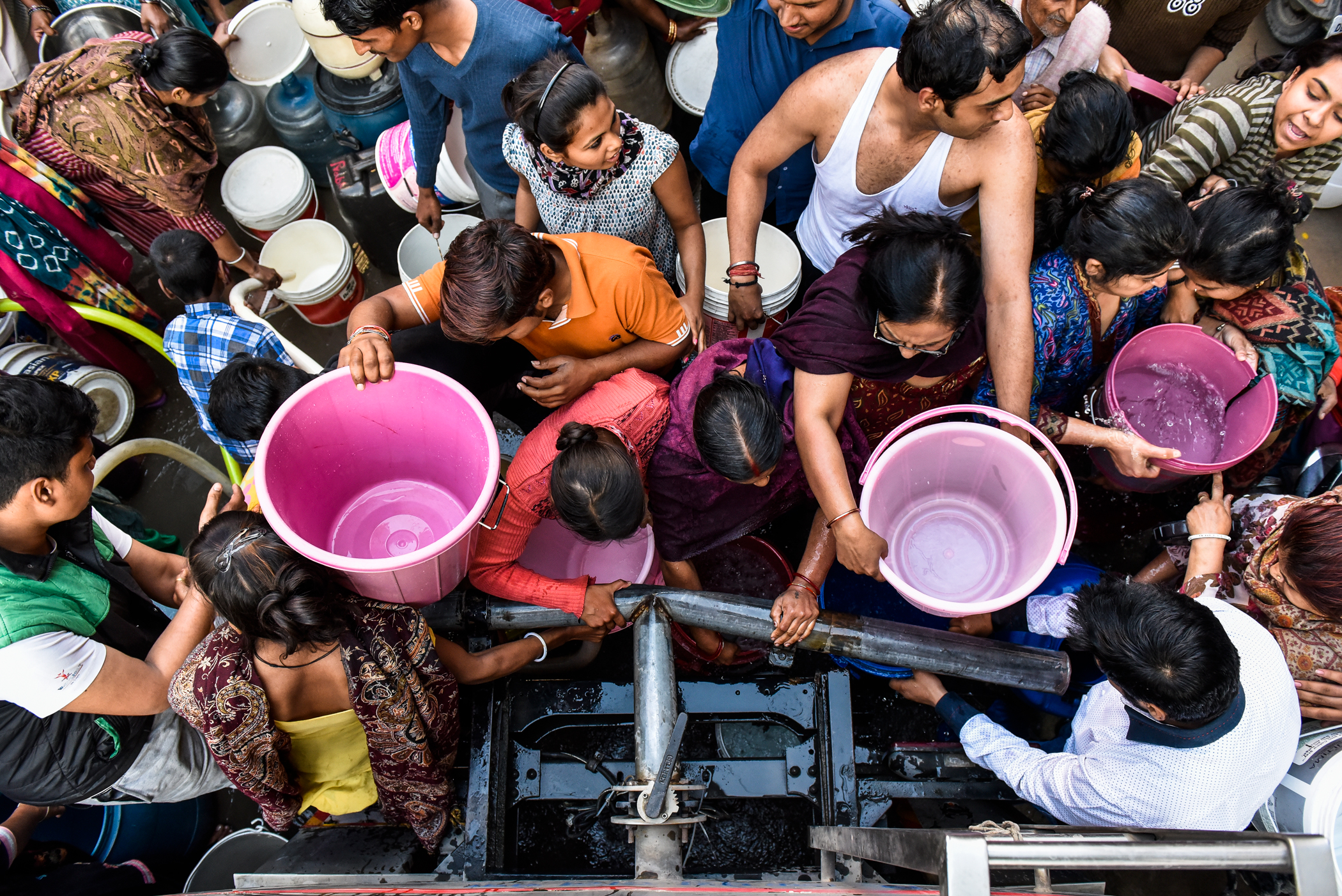
As the water crisis grips India, the country is simultaneously building AI data centres. The Adani Group alone has pledged $100 billion, pushing the first wave of investment past $167 billion. These facilities need round-the-clock cooling, and despite talk of air-based alternatives, cooling still largely means water.
The trouble isn’t that data centres exist; it’s where they’re landing. According to WRI India, more than half the country’s data centres already sit in water-stressed regions. The cities most in demand — Mumbai, Bengaluru, Chennai, Hyderabad, Delhi-NCR — are already fighting water emergencies of their own. Bengaluru’s data centres alone consume over 26 million litres a year. Chennai, which hit “Day Zero” in 2019 when its reservoirs ran dry, remains a top pick for new server farms regardless. Hyderabad faces a projected water deficit of 870 million litres a day by 2027, and expansion there continues anyway.
Nowhere illustrates this better than Mumbai. The Wire found the city’s data centres are guaranteed water 24 hours a day, while barely four per cent of the wider metropolitan region enjoys the same access. A UN report published in January 2026, titled Global Water Bankruptcy, argues the world has moved past ordinary “water stress” into something closer to insolvency; in many regions, the damage is no longer temporary or reversible.
Who ends up paying the price?
When water is diverted towards industry, households absorb the shortfall. Within these households, it’s overwhelmingly women who go out and find water. One analysis of India’s AI expansion names the likely losers: Dalits, Adivasis, women in water-scarce districts, and the urban poor outside the formal supply network. India’s digital ambitions are real, and so is the opportunity they represent. But the question is whose thirst gets priced in, and whose doesn’t. For now, the answer hasn’t changed much. It’s still the women walking, queuing and carrying, covering the gap that everyone else has agreed not to notice.
Featured Image Source
More from All About Eve
Night Shifts Increase Chances Of Breast Cancer By 32%: Millions Of Indian Women At Risk
500 ML Water For Every 100-Word Response By AI: Is It Worth The Environmental Cost?
Why Monsoon Worsens PCOS Symptoms And What You Can Do About It
If Stay-At-Home Moms Start Getting Paid, Most Will Out-Earn Their Husbands
45 Egg Donations By One Woman: How A Fertility Racket In Maharashtra Exploited Poor Women
- Share:
-

-

-