Web Stories
India’s Gig Economy Is Booming But Not For Women: Why Are India’s Gig Platforms Still A Man’s World?

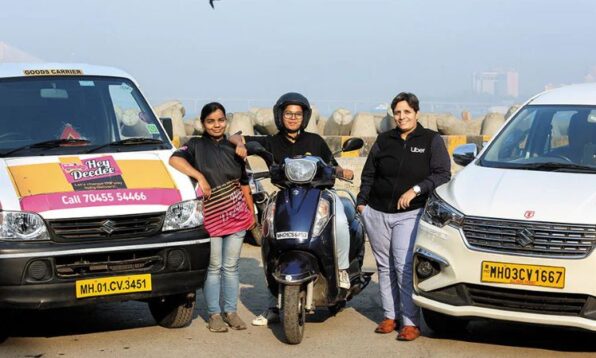
For years, India’s gig economy has been selling women a simple idea: ditch the rigid office, the toxic boss, and exhausting commutes in cities that don’t work for you. Just log in, pick your own hours, work remotely, and be your own goddamn boss. It is a tempting offer, and for millions of women navigating one of the toughest job markets, it often feels like the only option. India’s female labour force participation rate (FLFPR) tells a damning story. Despite a recent uptick, the ILO reports that only 19.2 per cent of women, compared to 70.1 per cent of men, are in the labour force.
This is one of the lowest rates in South Asia and a profound waste of human potential. The government’s more optimistic Economic Survey 2024 highlighted a surge to 37 per cent. However, researchers have pointed out that much of this increase comes from rural women entering low-productivity agricultural work. This participation is driven by necessity rather than opportunity. This is where gig platforms have positioned themselves as a solution. But they have largely failed to deliver on that promise.
The numbers behind the mirage
Let us begin with the most basic measure of the gig economy’s promise to women: how many of them actually work in it? According to Taskmo, a task-fulfilment platform that contracts gig workers for various companies, women make up just 28 per cent of gig workers in India. Even in urban India, where platform companies primarily operate, the average female employment rate in 2021 fell by 6.9 per cent compared to the previous year. The Observer Research Foundation has documented how “gig work has witnessed a similar gendered division as has been evident in traditional work and has not led to a direct increase in female labour force participation in India”. The country has one of the largest gig-work reservoirs in the world, yet women largely remain bystanders to this supposed revolution. But why?
The ghetto of “women’s work”
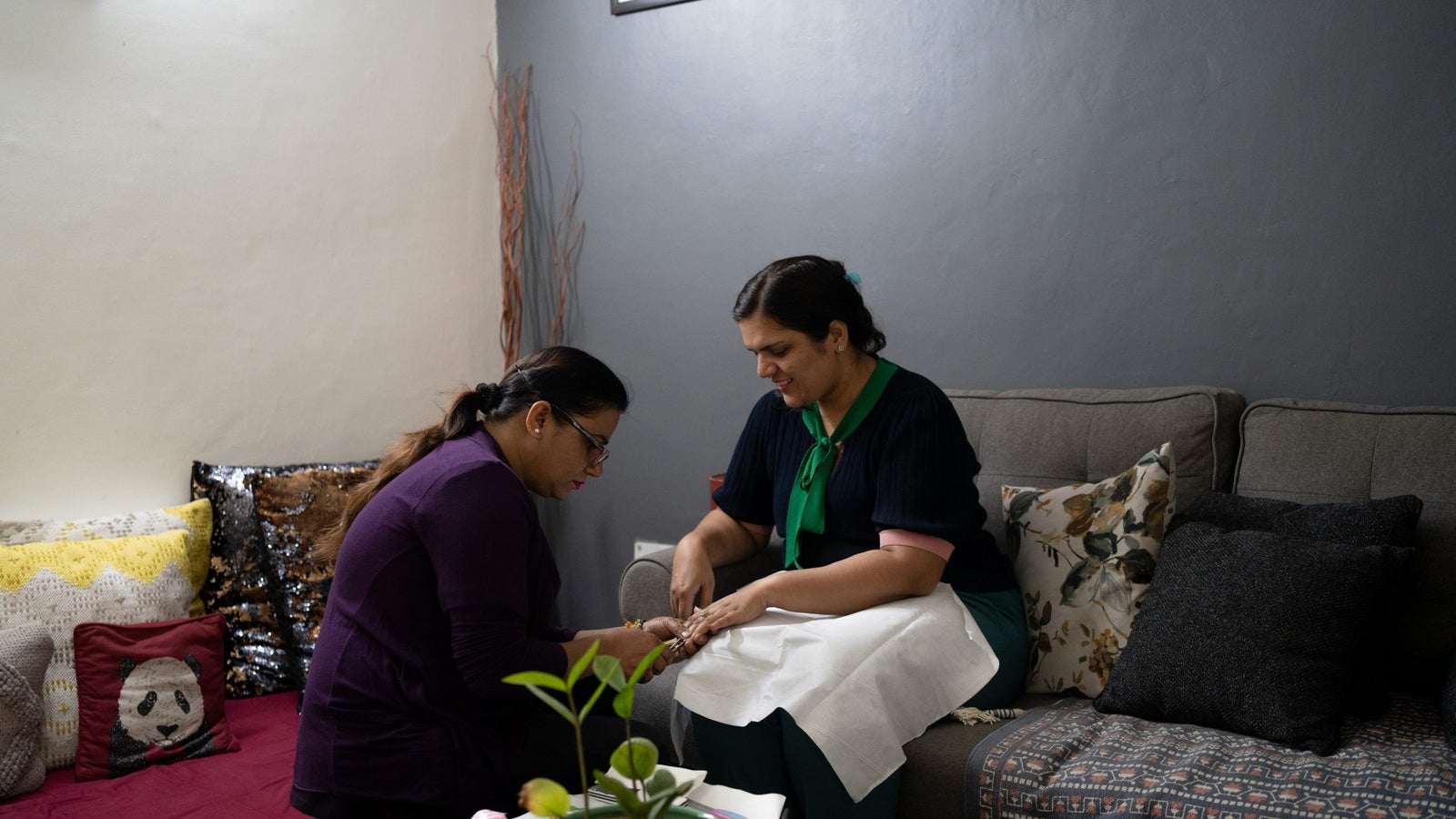
Before a woman can drive for Ola or deliver for Zomato, she needs a smartphone, internet, and the confidence and literacy to navigate an app, manage ratings, and handle digital payments. In India, these remain unevenly distributed, with women at a disadvantage. According to the GSMA Mobile Gender Gap Report, only 16 per cent of women in India are mobile internet users, compared to 36 per cent of men. Even if we assume a woman clears all the hurdles of access and support, her options are still limited.
Most of the women in India’s gig economy are concentrated in a narrow range of roles, such as beauty services, domestic work, and care jobs. This is not simply a matter of preference. An ILO study across 12 countries found that only nine per cent of delivery riders and five per cent of ride-hailing drivers are women.
The pay gap dressed up in an app
Even within the same platform roles, women earn less. As reported by Outlook India, there is an eight to 10 per cent salary disparity between male and female delivery executives, at a range of ₹15,000 to ₹30,000 per month.
This gap is not only in wages but also in the way the system is structured. Research from the gig economy in South Asia shows that women delivery workers earn around 10 per cent less than men. This is because they cannot reliably benefit from surge pricing or late-night incentives, when platforms pay the most. Safety is the main reason. Many women avoid working at night or in unfamiliar areas. Platforms like Swiggy have, at various points, restricted women from delivering after 6 pm. These measures may be intended to protect women, but they also reduce their earning potential.
The safety question no platform wants to answer
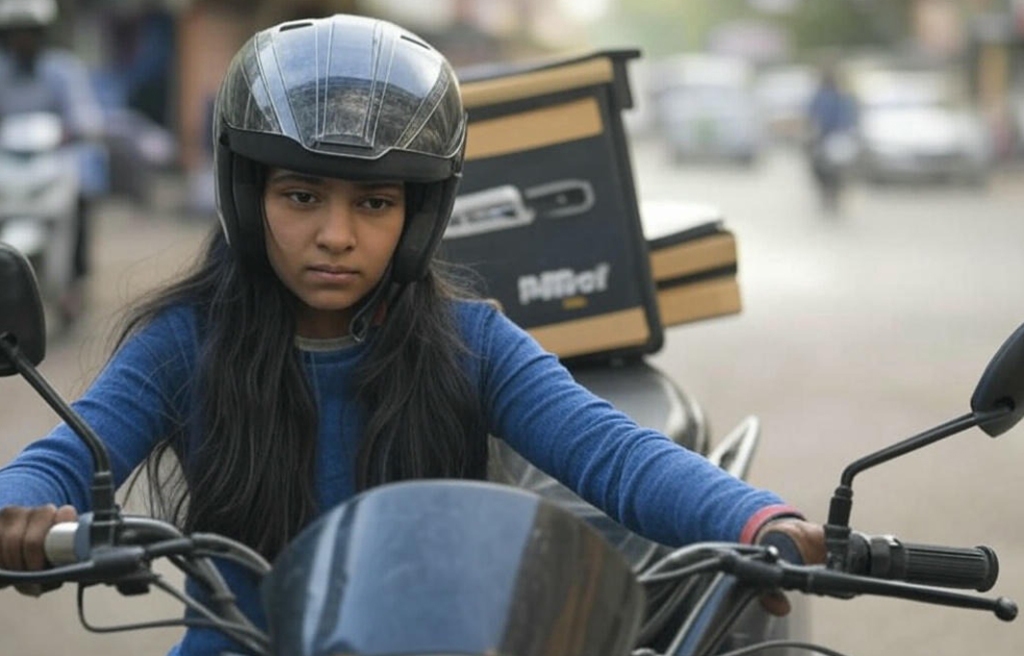
The Fairwork project, coordinated from the Oxford Internet Institute, interviewed over 5,000 workers across 180 platforms. Cultural anthropologist Anjali Krishan, who co-authored the India report, described a woman performing a beauty treatment at a client’s home only to be asked to stay and cook, “a scenario she describes as very common.” The legal protection is also limited. India’s Prevention of Sexual Harassment (PoSH) Act requires employers to establish Internal Complaints Committees, but gig workers are classified as independent contractors, not employees. The platforms claim no employer status; ergo, they bear no employer responsibility. The Vishakha Guidelines, India’s foundational workplace sexual harassment law, simply do not apply to gig workers, leaving them in a legal no-man’s-land.
Since customer ratings determine a worker’s future on the platform, women are often reluctant to report harassment at all. Reporting a client risks retaliation in the form of a bad rating, which can lead to losing access to the platform. The system, inadvertently or not, is designed to keep women quiet.
Old wine in a new bottle
Critics have taken to describing India’s gig economy as “old wine in a new bottle.” It is a cliché that earns its keep. The technology may be new, but the underlying inequalities are not. Men dominate higher-paying roles like driving and delivery, while women are concentrated in lower-paid, care-based work.
India must rethink the gig economy from the ground up: redesign platforms, regulate them effectively, enforce accountability, and invest in digital access, public safety, childcare, and social protection. Until all these things change, women in India’s gig economy will continue to suffer.
Featured Image Source
More from All About Eve
The Price Of Being A Woman: Women Pay 20% More To Simply Exist In India
‘Sammaan’ Or ‘Samaan’: How India’s Favourite Educator, Khan Sir, Has Categorised Women
Exhausted And Overlooked: The Making Of A Female Burnout Epidemic
- Share:
-

-

-