Web Stories
How To Prevent AC Blasts During A Heatwave: Important Safety Tips To Follow In Summer

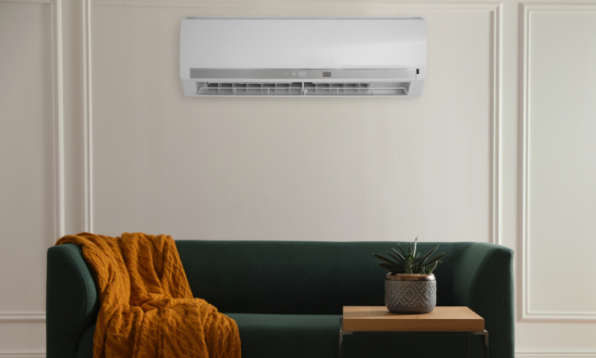
The recent AC blast incident in Delhi’s Vivek Vihar is raising a concern we tend to overlook: air conditioner safety during extreme heat. As reported by Hindustan Times, a massive fire broke out in a four-storey residential building, claiming at least nine lives, including a toddler, and leaving several others injured. A short circuit in the AC unit on the second floor caused a fire that spread to at least six adjacent flats. While the investigation is still underway, such incidents are becoming alarmingly frequent. As temperatures rise and AC usage increases, so does the risk of overheating, electrical faults, and fire hazards. But such incidents are also preventable if you take the right precautions to maintain your AC in summer, especially in extreme heat.
How to maintain air conditioners to prevent AC blasts during a heatwave

Air conditioners are designed to handle high temperatures, but prolonged and improper usage, especially during a heatwave, can strain internal components. When combined with poor maintenance or electrical issues, this can lead to overheating, short circuits, and fires. The heatwave places continuous pressure on both the appliance and your home’s electrical system, making safe usage and regular maintenance more important than ever. Follow these tips to maintain your AC in summer.
1. Schedule regular servicing
Don’t wait too long to get your AC serviced. Professional servicing ensures that internal components like coils, refrigerant levels, and wiring are functioning optimally. Over time, wear and tear can go unnoticed, increasing the risk of malfunction. Get your AC checked before and during peak summer to catch issues early and keep the system running efficiently.
2. Clean filters every 15 days
Clogged filters restrict airflow, forcing the AC to work harder to cool the room. This added strain can lead to overheating, especially during continuous usage in the heatwave. So, you should clean filters every week or at least every 15 days, and even replace them if they’re broken. Follow this tip to maintain ACs so you can safely enjoy the cool air in summer.
3. Maintain proper ventilation
The outdoor unit plays a crucial role in releasing heat from the room. Don’t place the outdoor units of the AC in a cramped or poorly ventilated space as the heat can build up quickly, affecting performance and safety. You should ensure adequate space and airflow around the unit so it operates properly.
4. Use a voltage stabiliser if needed
Power fluctuations are common during peak summer due to increased electricity demand. Sudden spikes or drops in voltage can damage internal components and increase the risk of fire. A stabiliser helps regulate voltage levels, protects your AC from electrical faults, and extends its lifespan.
5. Allow short breaks
When temperatures remain relentlessly high, it feels normal to keep the AC running for hours without a second thought. But continuous operation can overwork the compressor, increasing the risk of overheating. Giving your AC short, periodic breaks allows the system to reset and cool down. Also, use a timer or an auto-cut system for the same. Even brief pauses between long cooling cycles can improve efficiency and reduce the chances of overheating. It is one of the best ways to maintain your AC in summer. More importantly, avoid using the AC when it’s raining heavily or during a storm especially when you see lightning.
6. Switch off the MCB if you notice burning smells or gas leakage
Don’t ignore any unusual smell, whether burnt wiring or a chemical, gas-like odour. Immediately switch off the AC from the main circuit breaker (MCB) to cut off the power supply and prevent escalation. If the smell is too strong to ignore, avoid switching the AC back on until you get it checked.
7. Opt for an AMC from an authorised technician
An Annual Maintenance Contract (AMC) ensures your AC is checked at regular intervals by trained professionals. Authorised technicians are better equipped to identify early signs of wear, leakage, or electrical faults.
8. Keep a CO2 or ABC fire extinguisher nearby
In case of an electrical fire, using water can worsen the situation and increase risk. Keep a CO2 or ABC fire extinguisher at home as a safer alternative. The devices can handle electrical and appliance-related fires effectively.
9. Avoid faulty wiring or electrical overload
Due to high power demand in the summer, improper electrical wiring or overloaded circuits can quickly trigger short circuits. Loose connections or substandard setups increase the risk of overheating and fire. Ensure your home’s wiring is checked regularly and use premium-quality wires. Avoid overloading sockets, and use dedicated circuits for high-power appliances like ACs.
10. Do not rely on old or damaged units
Having the same AC for years sounds like a good flex, right? But do you know that older or poorly maintained ACs are more prone to mechanical and electrical failures? Worn-out components and degraded insulation can increase the risk of overheating and malfunction. If your AC is outdated or frequently breaks down, schedule a thorough inspection or consider upgrading to a newer model.
Featured Image Source
More from All About Eve
Here’s How To Make Your Home A Cool Haven Without AC This Summer Season
Get Rid Of Mosquitoes And Lizards: Try These Plants To Make Your Home A No-Bug Zone This Summer
Small Space, Smarter Storage: The Best Wardrobe Organisers That Will Make Life Easier
Escape The Indian Summer: Visa-Free Countries For Indians To Visit In 2026
Ice Up Your Summer: Try These Cooling Ice Apple-Based Recipes To Survive The Heat
- Share:
-

-

-