Web Stories
Prahaar Movie Review: A Chilling Courtroom Battle That Recounts The 26/11 Mumbai Attacks


A terrorist’s confession should make a public prosecutor’s job easy. So, why did Ujjwal Nikam refuse to take that easy win? The rejection of Ajmal Kasab’s confession is the heart of Prahaar: The Untold Story Of Ujjwal Nikam. Based on the legal proceedings behind the unforgettable 26/11 attacks, Avinash Arun and Dinesh Vijan bring a courtroom drama that none of us had seen before. Starring Rajkummar Rao, Wamiqa Gabbi, Sikander Kher, and Lalit Prabhakar, it takes us back to one of the darkest chapters in Mumbai’s history. It is the battle that was fought after the gunfire stopped, the battle of proving the truth when all the nation wanted was justice. Read this Prahaar movie review to know more.
The verdict wasn’t the story. The fight for it was
We’ve watched the heart-wrenching stories of 26/11 on big screens before and remember the anger, the fear, and the lives lost. But how much do we know about the courtroom battle that came after? Prahaar does a fine job of taking us beyond the public grief, anger, and the agonising tales of the incident into the painstaking legal proceedings that led to Kasab’s death sentence. Rajkummar Rao plays Ujjwal Nikam, the public prosecutor who takes the responsibility of proving Kasab’s guilt. With clear evidence, pictures, and confessions, the case should have been an open-and-shut case.
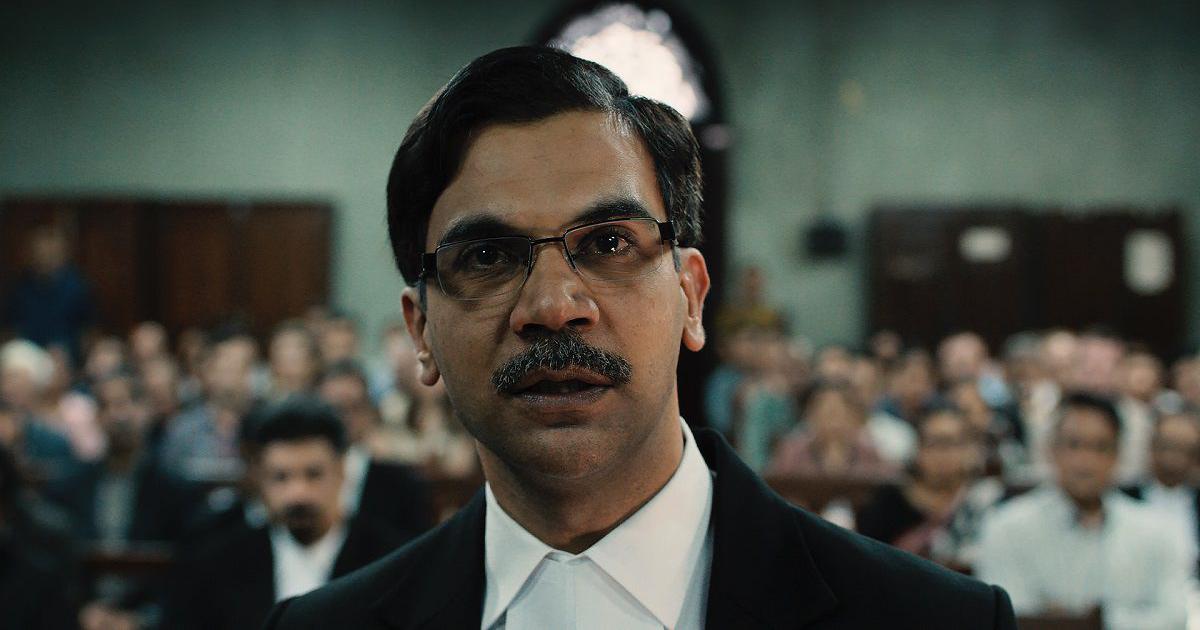
Every argument is contested, every piece of evidence is scrutinised, and the defence, led by Abbas Kazmi (Sikander Kher), challenges the prosecution at every turn. With the weight of a nation grieving and demanding justice, the courtroom turns into a pressure cooker. And then comes the twist. Kasab’s confession. He confesses to his crimes but conveniently shifts the blame on his partner, Abu Ismail. Nikam could have taken the confession and pushed for conviction, but he refused to settle for the convenient truth. He went ahead with evidence to establish the truth, hold the criminals accountable, and expose the whole system that was behind the man holding the gun. As he said, ‘Justice delayed is justice denied, but justice hurried is justice buried.’
The courtroom is where the real battle begins
The chilling takeaway of Prahaar is that knowing who committed the crime and proving it are two completely different things. The nation wanted conviction, but Nikam wanted the truth. The courtroom drama smoothly delves into what happened before the attack. With Kasab feeling cheated and lied to by his handlers, who promised him great things but left him to rot in prison, he gives every step-by-step detail. From exploring his recruitment to training, brainwashing, and being sent to India, he exposes the reality of the fake promises that drew him into terrorism. Lalit Prabhakar does a brilliant job of humanising one of the most hated men in India, and you’re not ready for it. He exposes the disturbing lengths to which people can be manipulated into committing unimaginable violence.

The proceedings are grounded and carry an emotional weight, but they never overshadow the facts and evidence. The screenplay and writing stay focused and create a fine balance between restraint and fictionalising the tragedy. While the first half takes time to build up, you’ll feel the frustration of a case that can’t be rushed to conclusion. The second half becomes tighter, and even though you know the verdict, you sit to experience the satisfaction.
Rajkummar Rao is fierce; Lalit Prabhakar leaves you uneasy
Rajkummar Rao as Nikam is not just fierce and fabulous; he is also fragile and vulnerable in moments of despair. He shows utmost determination as a prosecutor but keeps the human behind the profession very much alive. His interactions with Pakistani prosecutor Chaudhary Zulfiqar, played by Jaideep Ahlawat, bring nuance and an emotional grounding to the story. But Lalit Prabhakar’s Ajmal Kasab delivers some of the movie’s most disturbing moments. His portrayal of Kasab doesn’t turn him into a larger-than-life villain. His gaze makes you uneasy, his smirk while killing people in cold blood rattles you, and then his confessions and mentally disturbed behaviour make you hold your breath. You know he is guilty, but his honest plea stirs something deep inside you.
Sikander Kher’s Kazmi brings a compelling contrast to his colleague Ujjwal Nikam, giving the courtroom battle a much-needed layer of complexity. He is just a man doing his duty but is branded as a traitor because of his religion. And Kher does a great job of portraying him with conviction. Ashish Vidyarthi, as Justice ML Tahiliani, keeps the story crisp, showing the judge’s no-nonsense attitude and just conclusion. Wamiqa Gabbi, in a supporting role, barely gets screen time but adds emotional weight to Nikam’s personal life and familial responsibilities.
Can you watch Prahaar with family? The movie has disturbing visuals of violence, terrorism, and death but is otherwise a clean family watch.
Prahaar is now running in theatres near you.
- Share:
-

-

-