Web Stories
India Sees An 8% Rise In Violence Against Women With Every Degree Of Heat: Studies Reveal Shocking Truth


Every summer, India’s heat breaks records. The extreme temperature kills crops, buckles roads, and pushes the human body to its limits. But as temperatures across India shatter records year after year, researchers are drawing an alarming but largely ignored connection: extreme heat doesn’t just kill, it also drives men to beat, assault, and abuse the women closest to them. A growing body of scientific evidence has linked climate change and intimate partner violence (IPV) in South Asia. India, according to the numbers, faces the worst of it.
The numbers that should alarm everyone
In 2023, a landmark study published in JAMA Psychiatry tracked 194,871 women aged 15 to 49 across India, Pakistan, and Nepal. It found that every 1°C rise in average annual temperature was associated with a 4.5 per cent increase in IPV prevalence. For physical and sexual violence specifically, the figures were even grimmer. India saw an 8 per cent jump in physical violence and a 7.3 per cent rise in sexual violence with each degree of warming. This is the highest increase among all the countries in the study.
And it will get worse. Under an unlimited-emissions scenario, the same research projects that IPV prevalence in India could rise by 23.5 per cent by the 2090s. This is much more than in Nepal (14.8 per cent) or Pakistan (5.9 per cent). India is expected to face the sharpest end of the crisis, inflicted largely on women who bear the least responsibility for it.
“There are many potential pathways, both physiological and sociological, through which higher temperature could affect risk of violence,” said Michelle Bell, Professor of Environmental Health, Yale University, and co-author of the JAMA Psychiatry study
Why heat makes homes dangerous

The answer to what connects temperature to domestic violence is both biological and social. On the biological side, extreme heat activates brain regions linked to aggression, elevates adrenaline, and impairs emotional regulation. The body, under thermal stress, becomes volatile. But the sociological triggers are arguably more powerful. When temperatures spike, agricultural yields collapse and day labourers lose work. Families already stretched thin find themselves trapped indoors, without air conditioning, without income, without relief. Men who cannot feed their families or migrate for work often direct their frustration at the women closest to them because it’s the easiest thing to do.
“They cause tremendous economic stress in families,” Suniti Gargi, a former official of Uttar Pradesh’s Commission for Women, told The Guardian. “When [a man] cannot [find work], his wife is at the receiving end of his anger and feelings of uselessness.”
This economic chain reaction is confirmed by a 2025 survey by the Self-Employed Women’s Association (SEWA), which found that among 600 women workers, including farmers, street vendors, and construction workers, nearly 80 per cent reported heat-related income losses of up to 50 per cent. Almost 40 per cent reported worsening mental health, with grassroots leaders directly linking reduced income to escalating domestic violence.
Rural women, lower incomes: The double burden
Even though the heat-violence link affects many women, it is not uniform. Research consistently shows it cuts deepest in lower-income and rural households, precisely where India’s most vulnerable women live. In rural areas, women must often travel greater distances to fetch water during droughts, increasing their exposure to sexual violence outside the home. Crop failures push families towards distressed migration, exposing women to trafficking and exploitation.
The IPCC’s Sixth Assessment Report corroborates this, noting that women, girls, and LGBTQI+ individuals face heightened risk of domestic violence, sexual assault, and trafficking in the context of climate change.
The policy silence is deafening
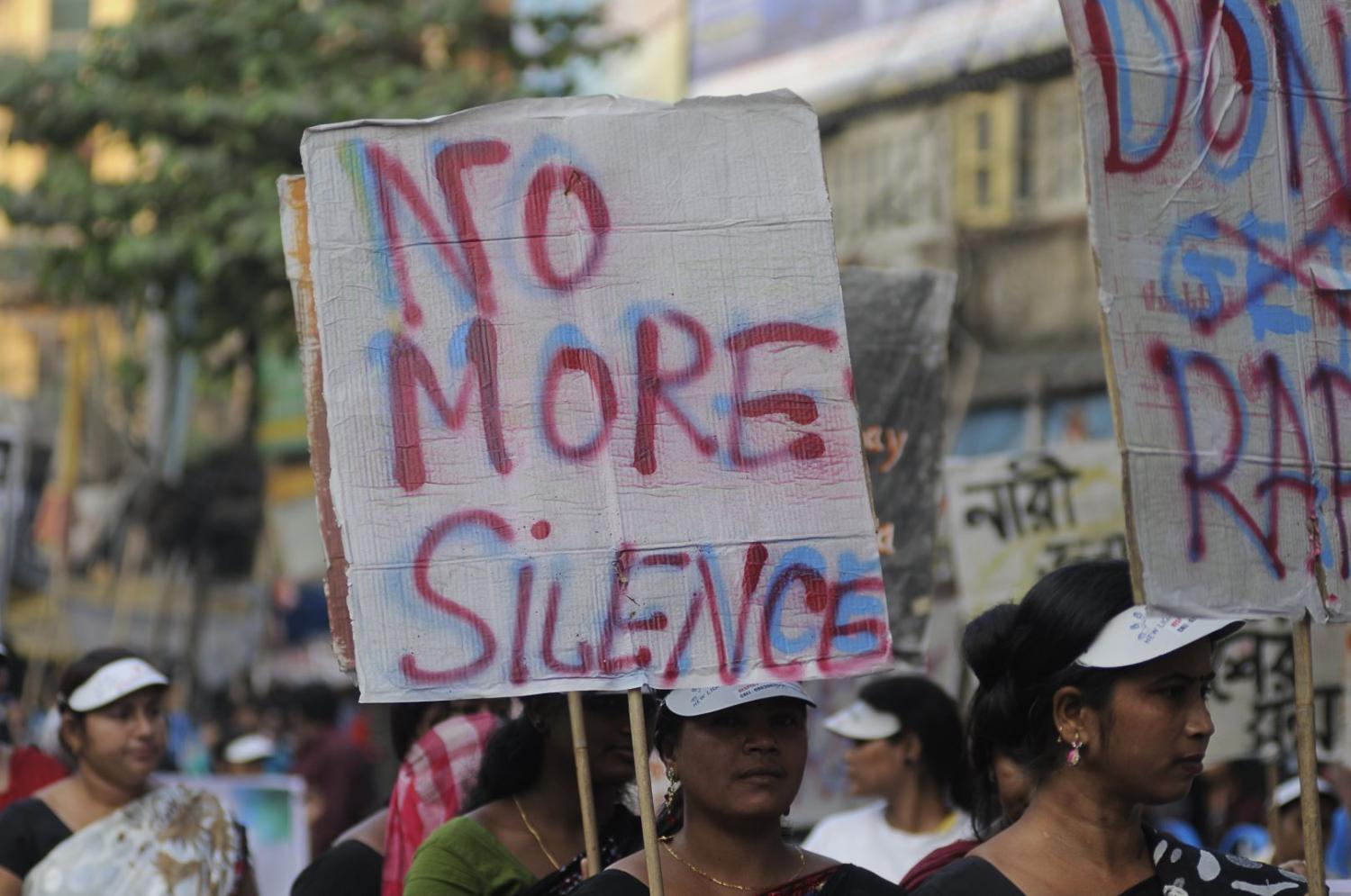
What makes this crisis particularly scandalous is the official indifference. New Delhi’s Heat Action Plan (HAP), a 66-page document meant to protect the city’s most vulnerable residents from extreme heat, does not mention gender-based violence even once. It acknowledges women as a vulnerable group, but only through the narrow lens of physical health risks and pregnancy. The predictable, well-documented spike in domestic violence during heatwaves is not addressed. This silence has real consequences because, without guidance, frontline workers and first responders have no tools to support women at increased risk.
Globally, the picture is no less damning. The 2025 UN Spotlight Initiative report warns that, without urgent action, climate change could contribute to one in every ten cases of intimate partner violence by the end of the century. In a 2°C warming scenario, it projects that an additional 40 million women and girls will experience intimate partner violence each year by 2090. Yet only 0.04 per cent of climate-related development assistance currently focuses primarily on gender equality.
What needs to change
The path forward requires India to do something it has consistently struggled to do: treat violence against women as a public health emergency, not a social footnote. Heat Action Plans must integrate domestic violence response. First responders need training. Shelters and helplines must be equipped for surge demand during heatwaves. And economic support like cash transfers, heat insurance schemes, and income protection must reach the informal women workers who are most exposed.
Climate change and gender-based violence in India are not separate crises. They are the same problem, refracted through a patriarchal lens. Until policymakers reckon with both together, women will continue to bear the cost of a disaster they did not create.
Featured Image Source
More from All About Eve
The Rise Of Mounjaro Brides: Is India’s Obsession With The Perfect Bride Now A Medical Emergency?
‘Sammaan’ Or ‘Samaan’: How India’s Favourite Educator, Khan Sir, Has Categorised Women
- Share:
-

-

-