Web Stories
Exhausted By Modern Dating? The 3P Theory Will Make It Less Overwhelming


You swipe right with hope, sit through a string of average first dates, and occasionally find someone you genuinely click with. Then, before you know it, the person you thought you’d be in a relationship with by now ends up becoming a three-month situationship you rant about to your bestie. If this cycle feels familiar and a bit too exhausting, it is not just you; this is what modern dating has become for several people out there. It only becomes worse when new, bizarre dating trends keep coming up. So, if you’re tired of the current dating scenario, you should follow the 3P theory to make things less overwhelming for yourself.
Related: Had An Awkward First Date? Here’s Why You Should Still Go On A Second Date With Them
What is the 3P theory in dating?

The 3P theory of dating, coined by dating coach Serena Kerrigan, changes how you view every romantic interaction. Instead of walking away from every date wondering if it was good, bad, or a total waste of time, the theory encourages you to see that every experience is actually taking you somewhere in life, even if it doesn’t feel like it in the moment. The theory emphasises that not every match will turn into something meaningful, but that doesn’t mean it was pointless either. This way, even the most underwhelming experiences feel like they serve a purpose.
The theory suggests that every date falls into one of three outcomes: Potential, Plot, or Practice. It’s a simple shift in perspective that helps you stop obsessing over the outcome of each date. Instead, you start recognising what you’re gaining from each interaction, especially when things don’t work out the way you expected. Let’s break down what each element of the 3P theory of dating looks like.
Dating for the ‘potential’
This is something you think every date is going to be. The date went well, you felt a natural chemistry, you see a future with this person, and for once, you are not left decoding texts or guessing intentions. The person has the qualities you are looking for, which makes you eager to plan a second date with them. You see real scope for a compatible relationship.
This is what dating for the potential looks like. You become excited to invest in the bond and do what it takes to build a healthy relationship with the person. Most importantly, you try not to sabotage it by overthinking or treating it like every other confusing relationship you have been in before, which is a big win already.
Dating for the ‘plot’
The date may not have sparked anything romantic, but did it give you a story to remember? Maybe it was chaotic, unexpectedly funny, slightly unhinged, or just so bizarre that you could not wait to tell your friends about it later. The experience becomes memorable, even if you knew mid-date that this was going nowhere.
Dating for the plot is not about finding ‘the one,’ it’s just for your character development. You go on a date, create memories, and sometimes, learn lessons along the way. Even when it goes completely off track, you still walk away with something, whether that is juicy gossip, a funny anecdote, or just a reminder of what you definitely do not want.
Dating for ‘practice’
Not every date is meant to be memorable, but it doesn’t have to be meaningless. Sometimes, it is just about showing up, having a conversation, and noticing how you feel in the moment. You become more aware of what holds your interest, what feels off, and how you naturally respond to different people without overanalysing it.
You go on dates for practice. It helps you build confidence, communicate your feelings better, and understand your own dating patterns more clearly. Over time, these experiences shape your instincts, so you are not just reacting to situations, but actually recognising what works for you, what does not, and how you present yourself on dates.
Why do we need the 3P theory of dating?
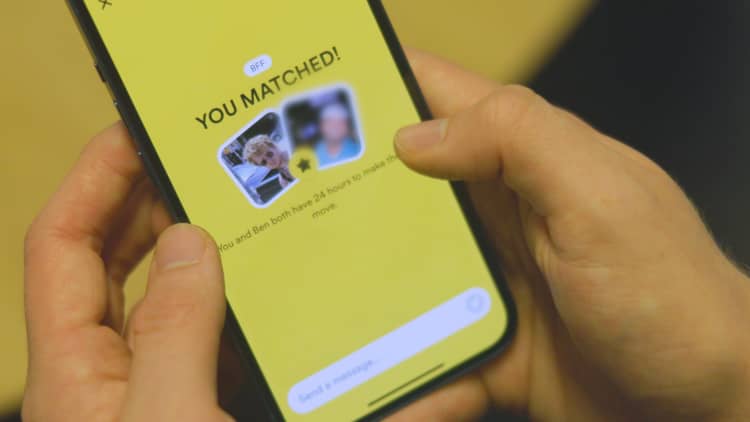
Dating today rarely feels simple or exciting, like it used to. Even though Gen Z is bringing back old-school love in handwritten letters and curated romantic playlists, the generation is still stuck in an endless loop of swiping, having conversations, overthinking replies, ghosting, and trying not to get attached too quickly. This has led to emotional fatigue among Gen Z, especially those who honestly want love. This is exactly why the 3P theory of dating is so relevant right now.
The theory works because it removes the pressure to treat every date as a life-altering romantic opportunity. A 2025 Forbes Health survey found that 79 per cent of Gen Z users experienced dating app burnout, with repetitive conversations, emotional fatigue, ghosting, and disappointment ranking among the biggest reasons. The 3P theory offers something people desperately need amid that fatigue: perspective. Once you stop seeing dating as something that must lead to long-term relationships, the experience itself starts to feel less emotionally punishing.
How the 3P theory of dating is helpful

The ‘plot’ aspect of the 3P theory of dating helps in coping with disappointing dating experiences. People turn terrible dates into Instagram storytimes, screenshots into memes, and awkward encounters into inside jokes with friends, using humour to deal with it all. Beyond this, these stories help others better understand modern dating patterns. They spark conversations around red flags, mixed signals, emotional unavailability, and unrealistic expectations in relationships. In that case, a bad date does not just become a funny anecdote; it also becomes shared social knowledge that helps others navigate dating with more awareness.
Modern dating often swings between two extremes: becoming emotionally invested too quickly or emotionally detaching before anything authentic can develop. Dating for potential creates space for a healthier middle ground. It encourages people to recognise compatibility as something that unfolds gradually through consistency, emotional safety, shared values, and effort, rather than instant chemistry alone. It also allows people to stay open to meaningful connections without carrying unrealistic expectations into every interaction.
For people who hesitate to go on dates, the ‘practice’ element of the 3P theory helps them get comfortable with these interactions. It normalises the notion that awkward dates, inconsistent communication, and trial-and-error experiences are crucial to exploring the dating world. It also helps you understand yourself better. In a culture where people spend so much time building online personalities through photos, captions, aesthetics, and carefully controlled impressions, the harder task is often learning how to be emotionally present in real-life interactions where nothing can be filtered, edited, or rehearsed.
Featured Image Source
Related: Are You Trying Hard To Find Love? It Could Be Why You’re Still Looking
FAQs
Q1. Can one person fall into more than one ‘P’ at different stages?
Yes. A date that initially felt like practice can start to feel like potential over time. On the other hand, a promising connection can shift into a plot if things do not progress.
Q2. How do you identify which ‘P’ a date falls into without overthinking it?
It usually comes down to how the interaction feels after the date ends. You might feel curious to continue, content with the experience, or simply more aware of yourself.
Q3. Does the 3P theory encourage casual dating over serious relationships?
Not really. The 3P theory simply removes the pressure to take every interaction seriously, but it still leaves room for meaningful relationships.
Q4. Can the 3P theory help avoid situationships?
The 3P theory can make situationships easier to recognise. This makes it difficult to stay in something that is not moving in a direction you want.
Q5. Is the 3P theory only relevant for dating apps?
No, it applies to any kind of dating experience. Whether you meet someone through friends, work, or offline settings, the same idea holds.
- Share:
-

-

-