Web Stories
The Bare Minimum Is Not A Love Language: Signs You’re In A Low-Effort Relationship

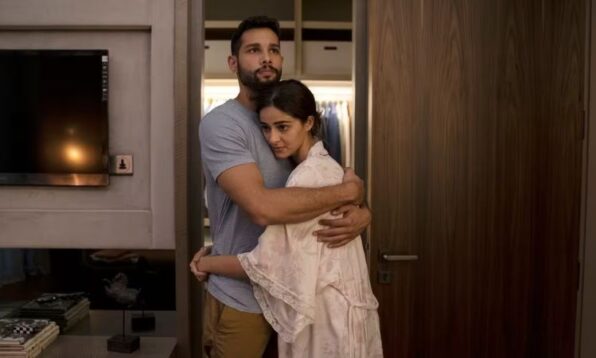
Ever had that moment where you stop mid-text and think, “If I don’t message first, would we even talk today?” Or maybe you’ve realised you’re the one planning every date, remembering every anniversary, and initiating every difficult conversation. At some point, you start wondering if you’re in a low-effort relationship. This isn’t about a time when your partner is busy or going through a difficult phase. Life happens, and every couple experiences periods when one person has to pick up more of the emotional load. The problem begins when minimal effort becomes the norm rather than the exception. If you’ve been questioning whether you’re expecting too much, these low-effort relationship signs might help you separate reasonable needs from excuses you’ve been making for someone else.
You’re the one keeping the relationship alive
If you’re the one who’s always remembering important dates, making plans, and bringing up problems, this isn’t a partnership anymore. A relationship needs two people actively choosing it, not one person doing the work for both. When you’re the sole engine keeping things moving, you’ll eventually burn out.
Conversations have gone flat

Early on, conversations tend to have texture. People ask follow-up questions, remember small details, and get curious about each other’s inner world. In a low-effort relationship, conversations shrink down to logistics like who’s picking up groceries, what time the show starts, whether the rent got paid. If your partner rarely asks how you’re actually doing, or asks but doesn’t really listen to the answer, that says something. Curiosity is one of the clearest signs someone is still invested in knowing you, not just living alongside you.
Effort shows up only when it’s convenient
Some people are great in a crisis and completely absent the rest of the time. They’ll show up for the big, visible moments — a birthday, a funeral, a bad breakup with a friend — but disappear when it comes to the daily, unglamorous stuff that actually builds intimacy. Checking in after a rough meeting, noticing you’ve been quiet, or making a small gesture with no occasion attached to it are all part of a healthy relationship.
Low-effort relationships often run on grand but rare gestures, which can be confusing because they make it feel like the person cares deeply. They might. But caring in bursts isn’t the same as caring consistently, and consistency is what relationships are actually built on.
Conflict either gets ignored or repeats itself
In a relationship where both people are trying, conflict leads somewhere. Something gets acknowledged, adjusted, or at least understood better, even if the fix isn’t perfect. In a low-effort relationship, the same argument tends to resurface every few weeks in a slightly different outfit, because nobody actually addressed the issue the first time. If you’ve had the same fight about feeling unheard, unprioritised, or unseen more than a handful of times with no real shift in behaviour, that’s not miscommunication anymore. That’s information about how much either of you is willing to change for the other.
You’ve lowered what you ask for

This one is sneaky because it doesn’t feel like settling in the moment. Over time, people in low-effort relationships tend to shrink their expectations to match what they’re actually getting because asking for more leads nowhere. You stop bringing up that you wanted a birthday plan, because last year, nothing happened and you didn’t want to seem needy. You stop mentioning you’d like more physical affection because it never really changes anything. Each adjustment feels small, but stacked together, they add up to a relationship that asks almost nothing of the other person.
You feel lonelier with them than without them
This is the clearest signal there is, and also the one people avoid facing the longest. Being single can be lonely in an obvious, expected way. But being in a relationship and still feeling unseen, unsupported, or emotionally alone is a different, heavier kind of loneliness, because it comes with confusion attached. You’re not supposed to feel this way when you have a partner, so people often blame themselves for “not appreciating what they have” instead of naming the actual gap.
If you consistently feel more relaxed, more yourself, or more supported around friends than around your partner, that’s one of the biggest low-effort relationship signs.
What to actually do about it
Recognising the pattern is only half the work. The next part is deciding what you want to do with what you now know, and that usually comes down to one honest conversation before anything else.
Start by naming specific patterns instead of vague feelings. Saying “you don’t try anymore” invites defensiveness, because it’s an accusation. Saying “I’ve noticed I’m the one who plans almost everything we do together, and I want us to share that” gives your partner something concrete to respond to. Specificity turns a complaint into a request, and requests are far easier for people to actually act on.
Pay close attention to how they respond, not just what they say. Someone willing to close the gap will usually get a little uncomfortable, ask questions, and follow through on at least one or two small changes in the weeks after. Someone who isn’t will often get defensive, minimise what you’re saying, or agree in the moment and then quietly go back to exactly how things were. Words are cheap here. Behaviour over the following month is the real answer.
Give it a real timeline, not an indefinite one. It’s fair to give someone a genuine chance to show up differently, but it’s also fair to notice if nothing changes after weeks of clear communication. Low-effort relationships have a way of staying comfortable enough, which is exactly how people end up giving five or six more months to someone who will never appreciate what they do.
And finally, get honest with yourself about what you’re actually optimising for. If you find yourself defending the relationship to other people more than you’re enjoying it yourself, that’s usually the clearest sign of a low-effort relationship.
Featured Image Source
More from All About Eve
Still Not Official? Here’s How Long You Should Wait For Commitment In Relationships
Dream Come True Or Future Nightmare? Watch Out For These Signs In Your “Perfect” Partner
Are You Pushing Your Soulmate Away? Yes, If You Have Any Of These Habits
Detachment Dating 101: The Gen Z Dating Trend That Will Save You From Emotional Burnout And Therapy
- Share:
-

-

-