Web Stories
Seed Cycling For PCOS Is Everywhere On The Internet, But This Fertility Coach Says Be Careful

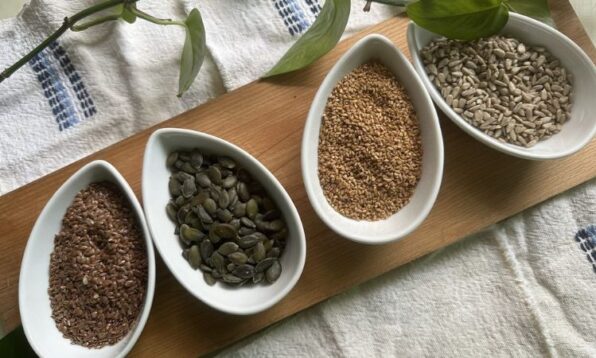
Seed cycling for PCOS has become one of those wellness trends that seems to appear everywhere, from Instagram reels to health blogs. The idea feels simple, natural, and appealing, especially for women looking to support their hormones without medication. But when you look beyond the social media hype and into the science of polycystic ovary syndrome, the picture becomes far more complex. We recently spoke with fertility coach and nutritionist Dr Isha to know if seed cycling is good for PCOS.
What seed cycling claims to do

Seed cycling is based on eating specific seeds during different phases of the menstrual cycle. Typically, flax and pumpkin seeds are consumed in the first half of the cycle, while sesame and sunflower seeds are added in the second half. The theory suggests that this pattern helps support estrogen and progesterone levels, leading to better hormone balance.
On the surface, it sounds like a gentle and natural way to regulate hormones. However, when it comes to PCOS, hormone imbalance is rarely that straightforward. As Dr Isha explains, PCOS is “primarily a metabolic-endocrine condition rather than a simple fluctuation in reproductive hormones.”
Women with PCOS often struggle with insulin resistance, excess androgen production, and irregular or absent ovulation. These factors drive many of the symptoms, including irregular periods, fertility challenges, inflammation, and blood sugar issues. “While adding seeds to the diet is not harmful, positioning seed cycling as a therapeutic strategy for PCOS is not supported by scientific evidence,” says Dr Isha.
Social media vs science-backed evidence
One of the biggest concerns with promoting seed cycling for PCOS is the absence of solid research. While individual seeds such as flaxseed have been studied for their effects on cholesterol levels and general inflammation, that is very different from proving that eating seeds in specific phases can regulate menstrual cycles or improve ovulation.
According to Dr Isha, there are no controlled trials demonstrating that seed cycling influences estrogen, progesterone, LH, FSH or androgen levels in women with PCOS. Dr Isha mentions, “The popularity of seed cycling is largely driven by anecdotal experiences and social media trends. From an evidence-based standpoint, it remains a wellness concept, not a validated strategy.”
This is why many fertility specialists and nutrition professionals remain cautious about recommending seed cycling as a hormone-balancing strategy, especially for a condition as complex as PCOS.
The problem with balancing hormones naturally

The phrase “balancing hormones naturally” has become a popular buzzword in the wellness world. It suggests that small dietary tweaks can gently correct hormonal issues. While lifestyle changes absolutely play a role in PCOS management, the body’s hormone system is far more intricate than many trends imply.
Hormones are regulated through feedback loops involving the brain, ovaries, pancreas, and adrenal glands. In PCOS, insulin resistance often sits at the centre of this disruption, fuelling excess androgen production and ovulatory dysfunction. As Dr Isha pointed out, the idea that seeds alone can “rebalance the hormonal system” lacks physiological evidence.
This doesn’t mean seeds are unhealthy. They are rich in fibre, healthy fats and micronutrients that support overall health. The issue arises when seed cycling is positioned as a targeted therapy for PCOS rather than as a small part of a balanced diet. For women searching for natural hormone balance for PCOS, it’s understandable to want simple solutions. However, relying solely on social media trends can divert attention away from strategies that actually have benefits.
The risks of relying on wellness trends
The seeds themselves are not harmful, but relying on them can delay proper treatment. PCOS increases the risk of long-term health issues such as type 2 diabetes, lipid abnormalities, chronic inflammation, and infertility when cycles remain irregular.
When women invest time and hope into trend-based approaches like seed cycling and see no improvement, it can also take an emotional toll. Many women blame themselves instead of recognising that science has never validated the method for managing a complex endocrine condition.
What actually helps manage PCOS naturally
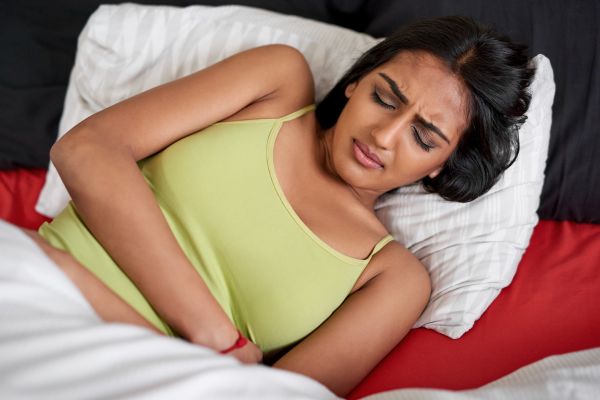
For those interested in natural treatments for PCOS and lifestyle-based approaches, there is good news. Several strategies have strong scientific backing and directly target the metabolic root of the condition.
Improving insulin sensitivity is key. Women can achieve this through regular physical activity, particularly strength training, balanced meals that stabilise blood sugar, adequate protein intake, and prioritising sleep quality. Managing stress and optimising vitamin D levels also play important roles in supporting ovulation and reducing excess androgens.
Rather than relying on trends, Dr Isha encourages women to seek personalised nutrition plans and evidence-based guidance that address their needs. Wellness trends can be inspiring, but when it comes to managing PCOS, evidence-based lifestyle changes remain the most reliable path to improving symptoms, supporting fertility, and protecting long-term health.
If you enjoy adding seeds to your meals for their nutritional value, there’s no harm in doing so. Just be cautious about your reaction to them, and manage your expectations of their actual benefits in PCOS management.
To connect with Dr Isha for more personalised advice, you can reach out to her on Instagram or on her website.
Featured Image Source
More from All About Eve
8 Most Effective Yoga Poses That Actually Help With PCOS
PCOS Friendly Diet: The 7 Dos and Don’ts To Control PCOS Symptoms
Lean PCOS: Symptoms, Treatment, And Everything Else You Need To Know
Acupuncture For Painful Period Cramps And PCOS: What To Expect From The Therapy
Why Pilates Is The Best Exercise For PCOS
- Share:
-

-

-