Web Stories
Rice Water Skincare 101: Here’s How To Use It For Different Skin Types To Avoid Breakouts


From glass-skin promises on Instagram to DIY routines that actually work, rice water has quietly made its way back into our skincare conversations. But here’s the truth that no reel tells you: rice water isn’t a one-size-fits-all skincare solution. It might work wonders for oily skin, but it can irritate dry or acne-prone skin. So, do you want to know how to use rice water for your face in a way that actually suits your skin type? Try these easy, effective methods.
Rice water for dry skin
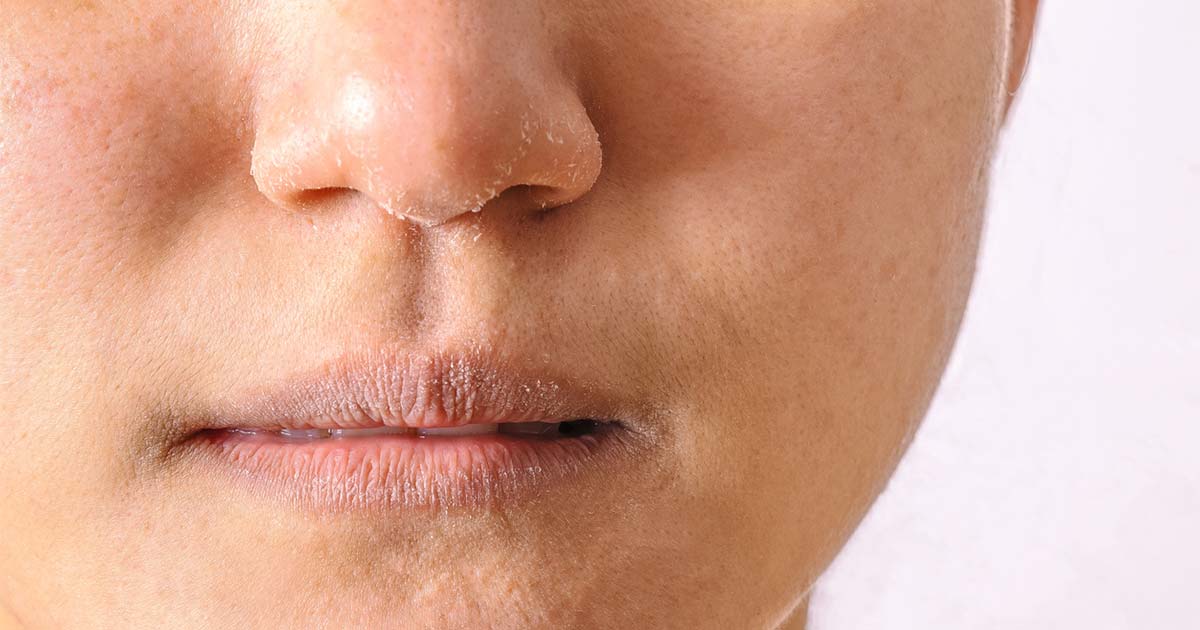
Has Delhi pollution made your skin drier, tighter, and flakier? Rice water can be a hero ingredient for your skin as it locks in moisture and soothes irritation. The amino acids and antioxidants in rice water also repair your skin barrier. This gentle ingredient makes your face feel softer over time, giving you healthy, glowing skin. But the same rice water can also ruin your skin if you don’t use it correctly.
How rice water can damage dry skin: Do you use over-fermented rice water, apply it too frequently, or leave it on your face for too long? This can dry out and irritate your skin, especially if you have a weak skin barrier. Think of rice water as a supportive skincare ingredient rather than an overnight fix.
How to use rice water for dry skin: Dilute fresh, homemade rice water with equal parts plain water. Use it once or twice a week as a toner, leave it on for five minutes, then rinse. Always follow up with a nourishing moisturiser or facial oil to seal the hydration. If you’re using readymade rice water, choose formulas that include glycerin, hyaluronic acid, or ceramides. Are you applying it as a face mask? Apply just once a week, and avoid face masks with alcohol or mattifying claims.
Rice water for oily skin

Does your face look greasy no matter how often you cleanse? It’s pretty challenging to manage oily skin, and that’s where rice water works its magic. It keeps excess oil in check, tightens pores, and gives your skin a fresh, hydrating feel without drying it out. But here’s where things can go wrong.
How rice water can damage oily skin: Using fermented rice water too often can increase oil production, leading to breakouts and a greasy skin texture. Do you skip cleansing before applying rice water on your face? You might be clogging your pores even more.
How to use rice water for oily skin: Use non-fermented rice water as a toner twice or thrice a week. Cleanse your face before applying it. Use it as a toner, leave it on for five to 10 minutes, then rinse. After that, use a lightweight, gel-based moisturiser. For branded rice water formulas, make sure they include niacinamide or zinc. Avoid heavy oil-based or fragrant rice water solutions. If you’re using a rice water mask, choose oil-free and clay-based formulas and apply them only once a week.
Rice water for combination skin
-78b5ab9f-b7f9-4a84-8d79-e7a07c9eff86.webp "rice water for face")
Living with combination skin is more confusing than understanding someone’s mood swings. You can’t use a nourishing moisturiser, but you can’t skip one either. And that’s where rice water steps in to balance out the confusion. Rice water helps control excess oil around the nose and forehead while keeping drier areas hydrated. But it can have the opposite effect if you don’t apply rice water correctly to your face.
How rice water can damage combination skin: Do you slather it all over your face without adjusting it to different areas? This can leave your cheeks feeling tighter or your T-zone looking shinier than before.
How to use rice water for combination skin: Use homemade rice water mainly on oily areas like the T-zone, up to twice a week. If you’re buying it from a quality brand, look for rice water with a low niacinamide content and other humectants like hyaluronic acid, honey, sugar, and glycerin. For rice water face masks, avoid applying them to dry patches.
Rice water for acne-prone or sensitive skin

With acne-prone or sensitive skin, it’s fair to wonder whether rice water actually helps or makes things worse. Your skin is usually irritated by inflammation, so rice water helps reduce redness and soothes itchiness. It also evens out your skin texture and reduces the pore size. But here’s where things can go sideways.
How rice water can damage acne-prone or sensitive skin: Over-fermented or old rice water can clog pores and trigger breakouts. Its overuse can also lead to dryness and disruption of the skin barrier, especially if you have skin conditions like rosacea.
How to use rice water for acne-prone or sensitive skin: Stick to plain or freshly made rice water and use it just once or twice a week. Apply it on clean skin, with clean hands or a soft cotton pad. Let it sit on your face for three to five minutes, then rinse. Always follow up with a calming or fragrance-free moisturiser. If you’re buying readymade rice water, look for lightweight toners or essences that pair rice water with zinc, green tea, or a low percentage of niacinamide. If you’re using rice water as a face mask, choose only gel or clay-based formulas.
Featured Image Source
More stories from All About Eve
Using Rice Water For Glowing Skin? Read This Dermatologist’s Warning First
From Gorgeous Skin To Healthy Hair: 8 Beauty Benefits Of Rice Water You Didn’t Know About
7 DIY Rice Flour Face Masks To Get Gorgeous, Glowing, And Glass-Like Skin
DIY Lip Masks That Are So Good You’ll Forget You Ever Had Chapped Lips
Try These Winter Drinks And Watch Your Hair Grow Faster Even Without Oiling
- Share:
-

-

-