Web Stories
The Rise Of Neurowellness: Why Your Nervous System Is The New Wellness Trend


If your social media feed has been full of people talking about regulating their nervous system, calming their vagus nerve, and spending less time in “fight or flight”, welcome to the latest wellness trend of 2026: neurowellness. At first glance, it can sound like another fad of drinking something green and buying an expensive gadget to calm your mind. But neurowellness is actually rooted in a simple idea: paying attention to how your nervous system responds to stress and finding ways to help your body feel safer and more settled. And after spending decades dedicating our lives to hustle culture and constantly doing more, a wellness trend that encourages slowing down is more than welcome.
So, what exactly is neurowellness?
Neurowellness is not an exercise, treatment, or morning routine. It is an umbrella term for practices that support your brain and nervous system, especially managing stress, emotional regulation, rest, and overall wellbeing. The nervous system is essentially your body’s communication and control network. It helps regulate everything from your heartbeat and breathing to your response to stress. When you perceive a threat, your body can move into a heightened state of alertness. When you feel safe, your body can shift towards rest and recovery.
The problem is that modern life is exceptionally good at keeping us switched on. Deadlines, notifications, counting your daily steps, worrying about the calories in your food — we are perpetually drowned in information. And always worried about one thing or another. All of this can contribute to that feeling of being permanently “on”. Neurowellness is about becoming more aware of these responses instead of simply powering through them.
Your nervous system is not being dramatic
You know that feeling when you have had a ridiculously busy day and suddenly realise you have been clenching your jaw for six hours? That is your body responding to perceived stress. Your nervous system does not always distinguish between a genuine emergency and a made-up one. It simply responds to signals that suggest you need to pay attention.
This is why neurowellness focuses so much on noticing what is happening in your body. Are your shoulders permanently tense? Are you breathing very shallowly? Do you struggle to sit still when you finally have free time? Are you exhausted but somehow unable to fall asleep? These can be clues that your body may need more recovery, not another productivity hack.
Why is everyone talking about nervous-system regulation?

“Nervous-system regulation” has become one of those phrases that seem to be everywhere online — in conversations around anxiety, burnout, relationships, and self-care.
In simple terms, it refers to helping your body move between states of alertness and relaxation in a healthy, flexible way. That does not mean you should aim to feel calm 24/7. Stress is not automatically bad, and your nervous system is supposed to respond when something demands your attention. The goal is flexibility: being able to become alert when necessary and return to a calmer state when the stressful moment has passed.
The easiest neurowellness practices are probably already in your life
You do not need an expensive wellness gadget or a three-hour morning routine to start supporting your nervous system. Slow breathing is one of the simplest places to begin. Deliberately slowing your breathing by making your exhale longer and gentler can encourage a more relaxed physiological state.
Movement can help too. A walk around the block, stretching between meetings, dancing while getting ready, or doing a proper workout can release some of that built-up tension.
Then there is sleep, which we take for granted and flex about surviving on just four hours of it. But sleep is one of the most important things for a calm nervous system. Consistent, good-quality sleep supports brain function, mood, and the body’s ability to cope with stress.
Even something as basic as stepping outside for some daylight, eating regularly, and taking breaks from your phone can contribute to better overall regulation. Basically, your nervous system would like you to remember that you are, in fact, a human being and not a machine.
Why you’re seeing “vagus nerve” all over your social media
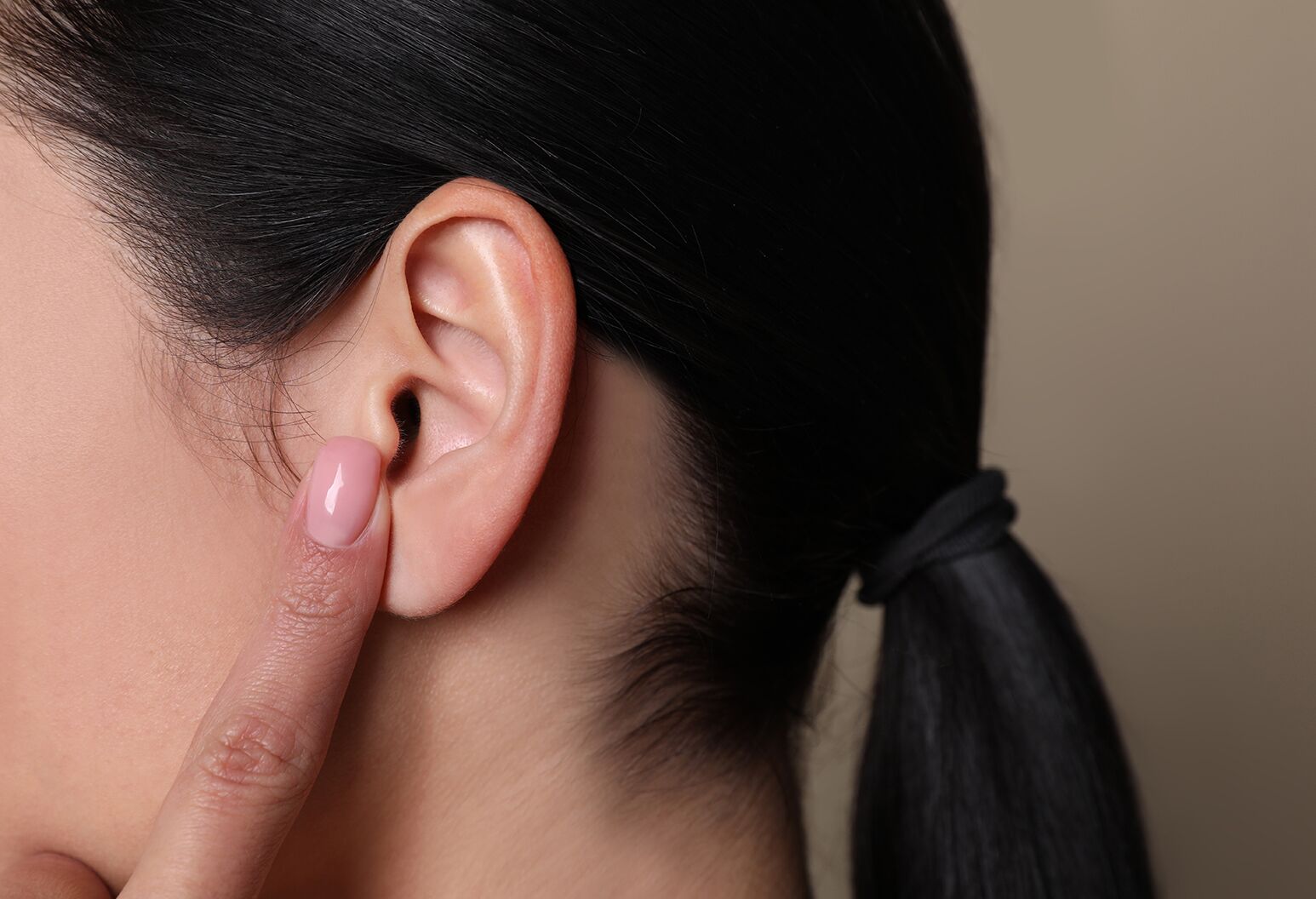
No neurowellness conversation on the internet is complete without mentioning the vagus nerve. The vagus nerve is a major part of the parasympathetic nervous system and plays an important role in communication between the brain and several organs, including the heart and digestive system. Because of this, it has become a major talking point in wellness content about relaxation and stress.
You may have seen claims online about “activating” or “resetting” the vagus nerve using cold showers, humming, deep breathing, or other techniques. Some of these practices can certainly feel relaxing because slow breathing and other calming behaviours can influence your physiological state. But one ice bath cannot magically reset your entire nervous system.
Can neurowellness actually make you feel better?
It can certainly support wellbeing as it encourages habits that are already known to be beneficial, such as regular movement, sufficient sleep, relaxation, social connection, and stress management. But this is where it is important not to let wellness culture take over. Feeling stressed does not necessarily mean your nervous system is “dysregulated”. Having a bad day does not mean your vagus nerve needs fixing. And you do not need to analyse every physical sensation you experience. Neurowellness should ideally make you more connected to your body, not more anxious about whether your body is functioning correctly.
The problem with turning self-care into another job
There is a slightly ironic problem with the neurowellness trend: something designed to help you relax can become another thing you feel pressured to do perfectly. Suddenly, you are trying to schedule breathwork at 6 am, meditation before breakfast, walks after lunch, journalling before bed, and a cold shower somewhere in between. Congratulations. Your self-care routine has become a second job. The better approach is to keep it simple. Pick practices that make you feel calmer, more present, or more rested. You do not need to complete a 12-step nervous-system routine every morning to be mentally well.
Sometimes regulation looks like five minutes of slow breathing, or going for a walk without your phone. Sometimes it looks like cancelling plans, eating dinner at 7.30 pm, and going to bed early. And occasionally, it looks like ignoring the wellness content on your feed altogether.
Featured Image Source
More from All About Eve
Swedana Therapy In Ayurveda: The Ultimate Reset Your Body Needs
Is This 8-Minute Power Nap Technique Better Than Chugging 5 Cups Of Coffee?
Too Tired But Still Can’t Sleep? Try These Effective Ayurvedic Remedies To Calm Your Mind
Cortisol Chaos? 7 Foods That Fix Your Stress Hormones Naturally And Hit Reset
Do You Wake Up Exhausted? Your Sleep Position May Be The Culprit
- Share:
-

-

-