Web Stories
Swedana Therapy In Ayurveda: The Ultimate Reset Your Body Needs
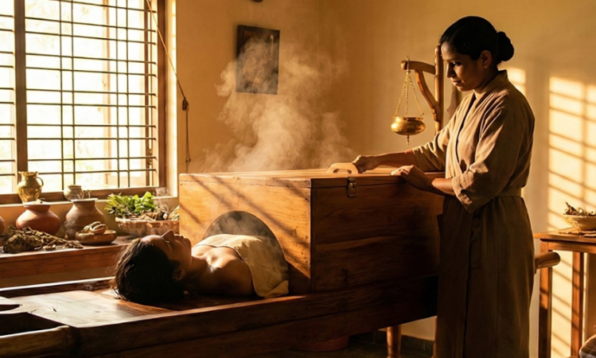
Most of us are constantly trying to fix how we feel by adding more to our routine. Another workout, another supplement, another productivity hack. But sometimes, the problem is not that your body needs more effort; it just needs a proper release. Swedana is designed for this purpose. Rooted in Ayurveda, this steam therapy allows your body to slow down, warm up, and release bottled stress through sweat. Here’s how this wellness ritual is the ultimate reset your body needs.
Related: These Ayurvedic Massage Tools Will Change The Way You Relax
What is Swedana therapy?
Swedana, which means to perspire, is a traditional Ayurvedic treatment that focuses on controlled sweating induced by heat, often infused with herbs. It is usually done after an oil massage. The body is exposed to steam to open the pores and relax the muscles. Unlike a regular steam room, the process is more targeted and supports your body’s natural response to warmth and release. It is not a quick fix or an aggressive treatment, but a gentle, restorative practice to ease the body back into balance.
Benefits of Swedana therapy

Swedana therapy is not about intensity or effort, but about letting your body open up, release, and reset. Here’s why Ayurveda considers Swedana therapy one of the most beneficial wellness rituals.
1. Your body learns to relax
Everyday stress does not just stay in your mind, it settles into your body. Swedana uses heat to loosen tight muscles and stiffness, helping your body release the constant, underlying tightness you may not even realise you are carrying.
2. Swedana therapy is a natural detox
Instead of harsh detox routines, Swedana uses a guided sweating procedure to detoxify your system. As your pores open and your body warms up, impurities are flushed out gently and sustainably.
3. It improves blood circulation
The heat from Swedana therapy stimulates blood flow, which can leave you feeling more energised and less sluggish. The post-session lightness is often a result of improved circulation and better oxygen flow in the body.
4. Your nervous system calms down
The warmth and stillness created in Swedana therapy help you move from a constant state of alertness to a more relaxed, balanced state, which can ease both physical and mental stress.
5. The therapy fits seamlessly into modern, busy lifestyles
When you practise Swedana therapy regularly, you don’t need to rely on supplements or wellness trends to relax your overstimulated mind and body. The therapy helps you feel clearer in your head, lighter in your body, and more in control of your energy.
Types of Swedana therapy
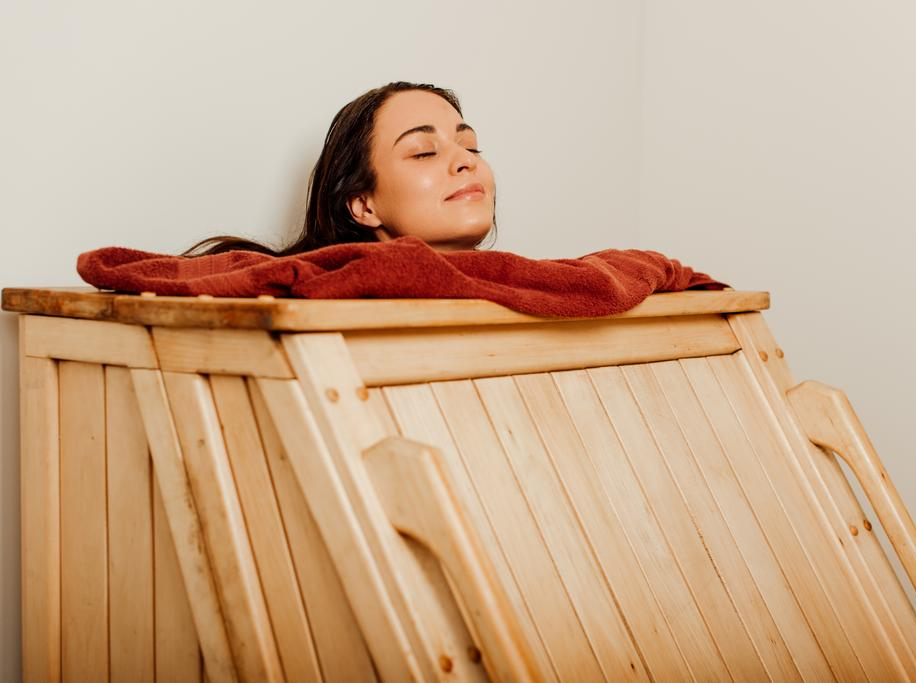
In Ayurveda, there is no fixed method to practise Swedana therapy. There are multiple types, each designed for different needs and body conditions.
1. Bashpa Swedana (Steam Chamber Therapy)
This is the most common and widely practised form. You sit or lie inside a wooden steam box or tent while herbal steam surrounds your body. Your head is usually kept outside to prevent overheating. It is a full-body experience focused on relaxation and detox.
2. Nadi Swedana (Targeted Steam Therapy)
In this method, steam is directed through a tube or nozzle to specific areas of the body. It is often used for joint pain, stiffness, or localised discomfort, making it more focused than full-body steam.
3. Pinda Swedana (Herbal Bolus Therapy)
Instead of direct steam, a heated herbal paste is applied to the body. The herbal potlis are dipped in warm medicated oils or decoctions and pressed onto the skin to relieve pain, stiffness, and inflammation.
4. Sankara Swedana (Dry Heat Therapy)
This involves using dry heat through heated substances like sand, herbs, or powders. When moisture-based steam is not suitable for the body, Ayurvedic practitioners recommend Sankara Swedana.
What a typical Swedana session looks like
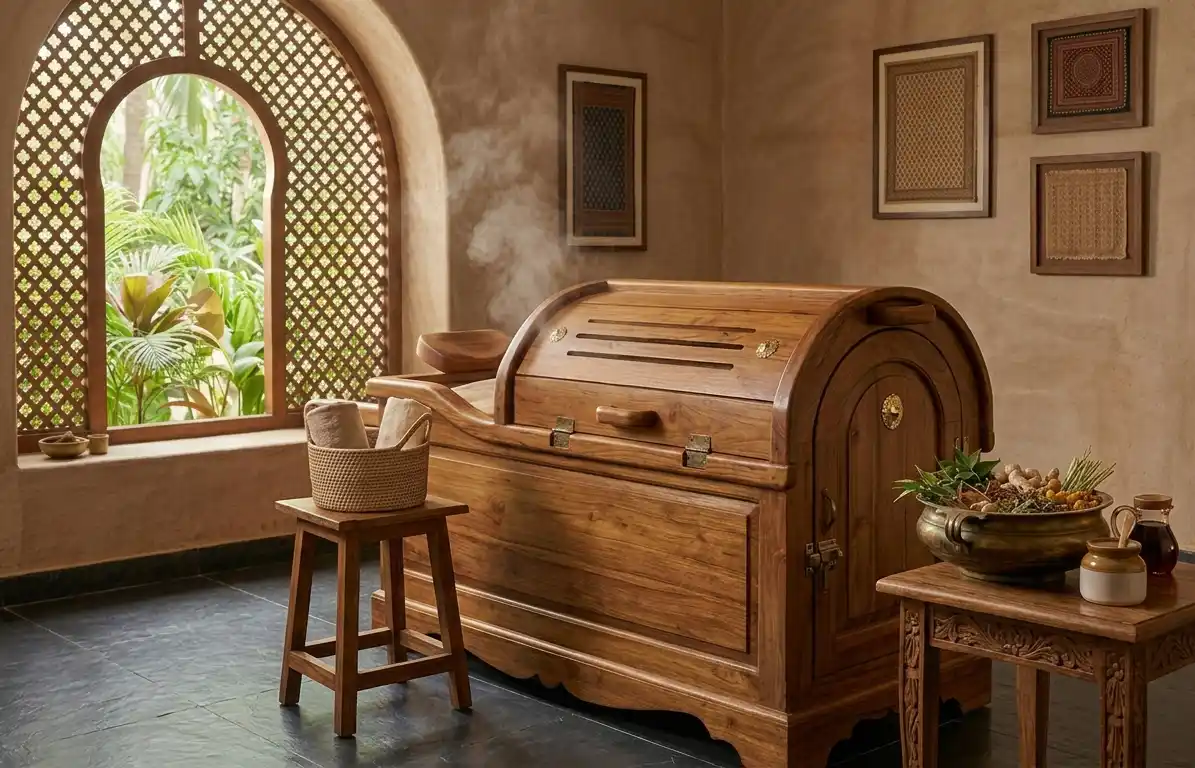
While the exact process can vary, a classic Swedana session usually follows a few key steps.
1. Abhyanga
This is often the starting point in Swedana therapy in Ayurveda. The practitioner massages warm, medicated oils into your body using rhythmic strokes. The goal is to loosen up toxins and bring them closer to the surface while also relaxing your muscles. It sets the foundation for the steam to work more effectively.
2. Swedana
After the massage, you move into the steam setup, usually a wooden box or enclosed tent. Herbal steam begins to circulate around your body, creating a deep, steady warmth. Your head remains outside the chamber to maintain balance and keep it cool. As the heat builds, you begin to sweat, which helps open pores and release impurities.
3. Passive rest and absorption
Once the steam session is complete, you can rest for a few minutes. This allows your body to stabilise and absorb the effects of both the oil and the heat. It is a calming phase where your body continues to process the release.
4. Cleansing and rehydration
The session often ends with a gentle wipe-down or lukewarm bath to remove excess oil and sweat. Hydration is important here because your body has just undergone an intense release process. This step helps you feel refreshed, light, and reset rather than drained.
Can you practise Swedana therapy at home?
Ideally, you should book an appointment at a nearby Ayurvedic centre to undergo Swedana therapy under the guidance of a trained Ayurvedic practitioner. This is because the intensity of heat, the herbs used, and even the duration of the session are usually tailored to your body type and condition. Most authentic experiences occur in Ayurvedic clinics or wellness centres, where professionals can monitor and adjust the heat intensity based on your body’s response, ensuring safety and effectiveness.
That said, you can try a simplified version of Swedana therapy at home, as long as you keep it gentle and controlled. Ayurveda itself allows for basic steam practices at home, but always with caution and awareness of your body.
You do not need anything elaborate. A pot of hot water with herbs like tulsi, neem, or eucalyptus works well. Sit comfortably and create a steam tent using a thick sheet or towel to trap the steam around your body. The idea is to keep it contained but not suffocating. Use herb-infused oil potlis to massage your body. Don’t forget to keep your head cool and away from the heat. Unlike spa setups, home practice should be mild. The goal is gentle sweating, not pushing your limits. Sessions can last around 10-20 minutes, depending on your comfort level. If you feel dizzy or too hot, stop immediately. Once done, do not rush back into your routine. Let your body cool down gradually, wipe off sweat, and hydrate well.
When to skip Swedana therapy
Swedana is not for everyone. You must avoid it if you have a fever, are pregnant, or have certain medical conditions, unless advised by a professional. When in doubt, always check with an Ayurveda expert first. Done right, even a simple at-home version can feel surprisingly effective. The key is to treat the therapy as a mindful ritual that your body can respond to without issue.
Featured Image Source
Related: Tired But Still Can’t Sleep? Try These Effective Ayurvedic Remedies To Calm Your Mind
FAQs
Q1. How often should we take Swedana therapy?
The frequency of Swedana depends on your health goals and dosha. For Panchakarma (detoxification), you can take Swedana for five to 14 consecutive days. For ongoing wellness or managing chronic stiffness, once or twice a week works well.
Q2. Is it normal to feel tired after a session of Swedana therapy?
Yes, your body is releasing tension and toxins, so slight fatigue is common right after Swedana therapy.
Q3. What should we eat before or after Swedana?
Keep your meals light. Avoid eating anything heavy before the session, and go for something simple and hydrating after Swedana.
Q4. Do you need an oil massage before Swedana?
It is not mandatory, but Abhyanga helps the body respond better to steam and enhances the overall effect.
Q5. Can Swedana help with body pain or stiffness?
Yes. In Ayurveda, Swedana therapy is often used to ease muscle tightness and joint discomfort through heat and improved circulation.
- Share:
-

-

-