Web Stories
Menstrual Hygiene 101: Tips Every Woman Should Know About Better Period Care


You might think you’ve got your period routine sorted with snacks to curb your cravings and a hot water bag to ease cramps. But between the discomfort and mood swings, your period hygiene often takes a backseat. Ignoring basic period hygiene can lead to irritation, infections, and increased pain–the last things you want on your period. Ladies, follow these tips to maintain menstrual hygiene.
Related: Can You Have Periods Without Ovulating? Yes, It’s More Common Than You Think
1. Change your product regularly, no matter how light the flow

On days when we experience spotting or just a light flow, some of us tend to use a sanitary pad or similar product a little longer than advisable. But that’s exactly when things can go wrong. Leaving a pad or tampon on for too long creates a warm, damp environment where bacteria thrive, which can lead to odour, irritation, and even infections. As a general rule, change the pads every four to six hours and tampons every four to eight hours. You must follow this tip as a non-negotiable hygiene habit every menstrual cycle.
2. Choose breathable, comfortable underwear
Your underwear can either make your periods easier or way more uncomfortable. Synthetic fabrics might look nice, but they trap heat and moisture, which can lead to sweating, itching, and rashes. Cotton underwear, on the other hand, lets your skin breathe and keeps things feeling fresher for longer. During your period, comfort really should win over everything else.
3. Avoid over-cleaning or using harsh intimate products
There’s a common misconception that you need to be extra clean during your period, which often leads to over-washing or using scented products. Harsh soaps, douches, and fragrant washes can disrupt your natural pH balance and cause irritation. A gentle wash with water and a mild, unscented cleanser around the external area is more than enough during your period.
4. Stay dry down there
You can’t completely avoid moisture during your period, and you’re not supposed to. But there’s a difference between normal flow and sitting in prolonged dampness. When pads or period underwear stay soaked for too long, or if the area isn’t dried properly after washing, it can lead to chafing, rashes, and discomfort. One simple tip to maintain menstrual hygiene is to change products before they feel overly damp. Instead of rubbing, gently pat the area dry with a clean towel or tissue.
5. Dispose of the sanitary products properly
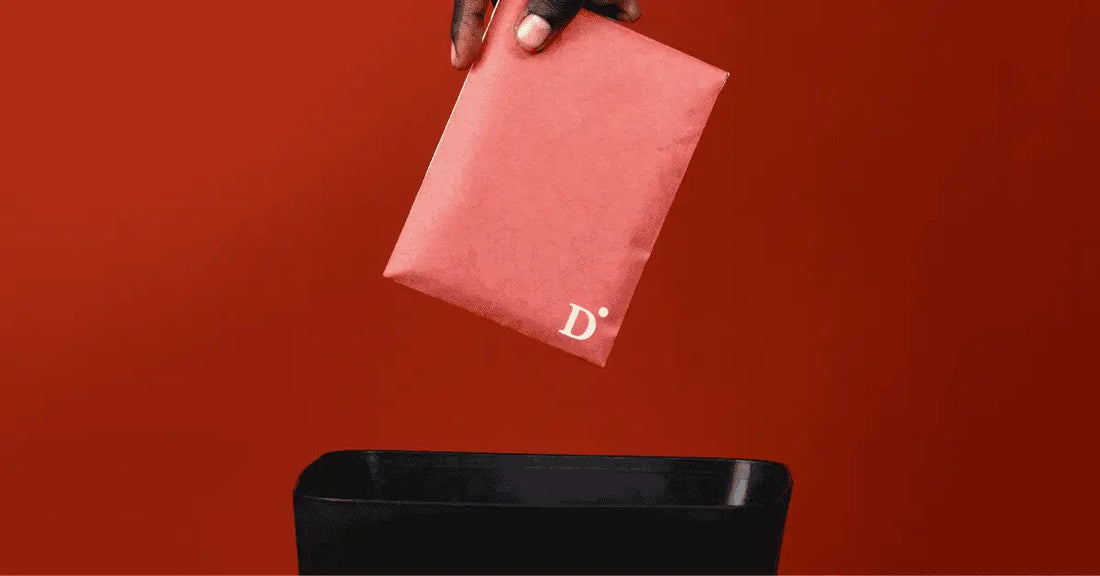
We don’t talk much about how proper disposal is a big part of menstrual hygiene. After using a pad or tampon, the first step is to wrap it properly before discarding it. You can use the wrapper it came in, toilet paper, tissue, or even a small disposal bag if you carry one. Wrap it securely with adhesive so the blood is contained and any leakage or smell is avoided. Remember to wash your hands right away, even if they are dry, and you didn’t touch the dustbin’s lid or the wrapper was clean. Don’t flush used sanitary pads down the toilet; they can clog pipes and cause serious sanitation issues.
6. Clean reusable period care products the right way
Reusable products like period panties and menstrual cups are great, but only if you’re maintaining them properly. You should rinse your period underwear in cold water immediately after use to remove blood, then wash it with a mild detergent and dry it completely before wearing it again. If you’re using menstrual cups, empty them every six to 12 hours, depending on your flow, rinse well, and sterilise in boiling water for 20 minutes at the end of each cycle. With the right care, cups can last for years, and period panties can too, making them both hygienic and sustainable choices.
7. Be careful with public restroom surfaces
When changing pads in public washrooms, avoid placing the pad directly on exposed surfaces like sinks or shelves. In such spaces, the best tip to maintain menstrual hygiene is to carry a small tissue, wrapper, or disposable sheet as a barrier. It reduces the risk of contamination in places where hygiene is already questionable.
8. Wash the clothes you wore during your period
It’s easy to focus only on pads or underwear, but your outerwear matters too, especially trousers, leggings, or shorts worn during your period. Even if there’s no visible stain, small leaks, sweat, or prolonged contact with period blood can leave behind bacteria that you don’t always see. Wearing the same unwashed bottoms repeatedly during and after your cycle can sometimes lead to skin conditions. Ideally, any bottoms you wear during your period should be washed after a day of heavy use or immediately if there’s even a minor leak.
Featured Image Source
Related: 7 Homegrown Period Care Brands In India That Are Changing The Menstrual Wellness Game
FAQs
Q1. How often should we change our pad during heavy flow days?
Every three to four hours is ideal during heavy flow to avoid leaks, odour, and bacterial buildup.
Q2. Is it normal to have odour during periods, even with good hygiene?
Yes, a mild metallic smell is normal, but a strong or unusual odour may need medical attention.
Q3. Can we use intimate wipes every time we change pads?
Occasionally, yes, especially when you’re outside. But regular water cleansing is gentler and safer for daily use.
Q4. How do we know if a period infection might be developing?
Watch out for persistent itching, burning, or unusual discharge, and consult a doctor if symptoms don’t improve.
Q5. Should we wash our hands even if we use gloves or tissue to dispose of the used sanitary products?
Yes, always wash your hands after changing products to fully remove any hidden bacteria.
- Share:
-

-

-