Web Stories
Stop Settling For ‘Almost Right’: Here’s How To Find The Perfect Lip Colour For Your Skin

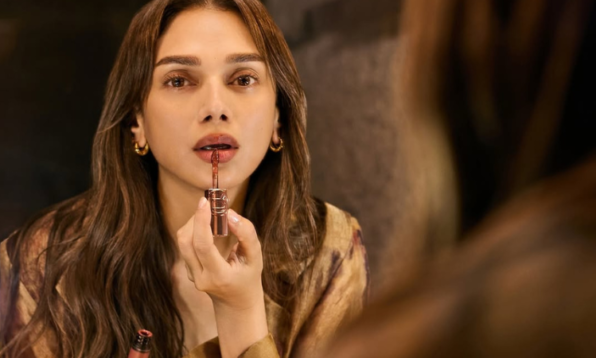
For the longest time, I thought I was just bad at picking lipsticks. I would buy shades that looked flawless on someone else or on my hand, but the moment I tried them on my lips, these shades became an entirely different colour. Nudes made me look washed out, bold shades felt too overpowering, and nothing ever looked the way I imagined. After wasting far too much money on lipsticks that barely left my drawer, I realised that the colours weren’t at fault. It’s just that I didn’t know how to find the perfect lip shade for my skin tone. If you’ve been there too, this step-by-step guide will help you find the right lipstick colour for yourself.
Related: Not A Fan Of The Swim Tan? Follow This Skincare Routine To Enjoy Your Dip In The Pool
1. Understand your undertone

Before anything else, understand whether your undertone is warm, cool, or neutral. This decides whether a lipstick will flatter you or completely wash you out. A quick way to check is by looking at the veins on your wrist in natural light. If they appear green, you likely have a warm undertone. If they look blue or purple, you’re cool-toned, and if you see a mix of both, you’re neutral. Don’t miss this step if you want to find the perfect lip shade for your skin without regretting an expensive purchase.
2. Match shades to your undertone
Now that you know your undertone, choosing a lipstick will not be so confusing anymore. Certain shades naturally complement particular undertones. Warm undertones look best in peachy nudes, corals, terracotta, and orange-toned reds, while cool undertones shine in pink nudes, mauves, berries, and blue-based reds. If you have a neutral undertone, you can experiment with both sets of shades. Once you get a bunch of shades that match your undertone, you’ll see how each one enhances your natural tone rather than clashing with it.
3. Consider your skin tone depth

Undertone is important, but the depth of your overall skin tone also plays a big role in how a lipstick shows up on you. The same shade can look soft on one person and too stark on another. Fair skin tones usually suit softer pinks and light corals, medium. People with wheatish tones can carry rose, berry, and warm nudes better, while deeper skin tones look stunning in rich browns, plums, and deep reds. This helps you find the perfect lip shade for your skin.
4. Find your MLBB shade
If you’re someone who just wants a daily-wear lipstick, finding your MLBB shade, which stands for My Lips But Better, is a game-changer. This is usually a shade that’s one or two tones deeper than your natural lip colour, enhancing your lips without looking too obvious. It works for daily wear, office looks, and even no-makeup days.
5. Always swatch on your lips

One of the biggest mistakes we all make while finding the perfect lip shade is swatching lipsticks on our hands and trusting that result. The truth is, your hands and lips have different pigmentation, making the colour look completely different when applied. Always ask the store assistant if you can test it, and use a disposable applicator instead of applying the bullet directly. You can also wipe the top layer of the lipstick with a tissue for hygiene. If trying it on your lips isn’t possible, swatch it as close to your lip area as you can. This gives you a much more accurate idea of how the lip shade will look on you.
6. Pay attention to lip pigmentation
It’s completely normal to have slightly or even more pigmented lips, so don’t stress if lipstick doesn’t show up exactly like it does in ads or swatches. Your natural lip colour can influence how a shade appears, especially lighter nudes or pinks, which may sometimes look uneven or slightly ashy. To balance this out, you can go for slightly deeper shades with better coverage, or use a lip liner underneath to create an even base. This can make a huge difference in how smooth and true-to-colour your lipstick looks on you.
7. Choose the right finish

It’s not just about the shade; the lip product’s finish matters too. A matte lipstick will usually look more intense and bold, while creamy or glossy finishes can make the same colour appear softer and more natural. If a shade feels too strong, try a different texture or a mix of both glossy and matte to make the lipstick more wearable. This helps you customise the look without completely changing the colour.
8. Check the lip shade in natural light
Finally, always check your lipstick in natural daylight before making a decision because store lighting can be very misleading. A shade that looks perfect under warm indoor lights might look completely different outside. Stepping into natural light helps you see the true colour and ensures you’re picking something that suits your skin tone perfectly.
GIFs Source
Featured Image Source
Related: Your Perfume Needs A Personality Upgrade: How To Layer Perfumes So Your Fragrance Stays Unique
FAQs
Q1. Can we wear shades that don’t match our undertone?
Of course. If you love a shade, you can always make it work with the right balance of makeup.
Q2. How do we make a lipstick shade we already own look better on us?
You can tweak the lipstick shade by pairing it with a lip liner, layering it with another shade, or adding gloss to adjust the tone and intensity.
Q3. What’s the safest lipstick shade to buy online without testing?
Muted tones like rose, mauve, or soft berry are usually more forgiving and tend to suit a wider range of Indian skin tones compared to very light nudes or bold brights.
Q4. Why do some nude lipsticks make us look dull or tired?
It usually happens when the nude shade is too light or too close to your skin tone without enough warmth or depth, making your face look washed out.
Q5. Should our lipstick shade match our outfit or makeup look?
Your lipstick should complement your overall look. Sometimes, a contrasting shade can elevate your entire look.
- Share:
-

-

-