Web Stories
“My Turban Is Everything To Me”: Harteerath Singh On The Importance Of The Pagg In Sikhism
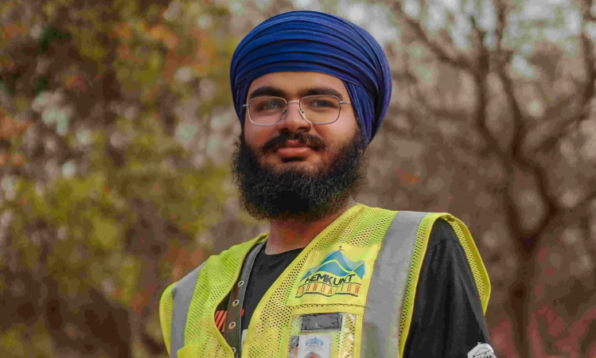
When many were struggling for basic essentials during the COVID-19 pandemic, Harteerath Singh Ahluwalia was on the ground doing sewa. And that’s when people began to know his name and his selfless purpose in life.
In a conversation on AfterHours With AAE, Harteerath Singh Ahluwalia got candid with host Bani Anand about the significance of sewa and the meaning of the turban in Sikhism.
Related: “Historic Violence Led To Patriarchy In India”: Amish Tripathi On AfterHours With AAE
“My turban is everything to me”
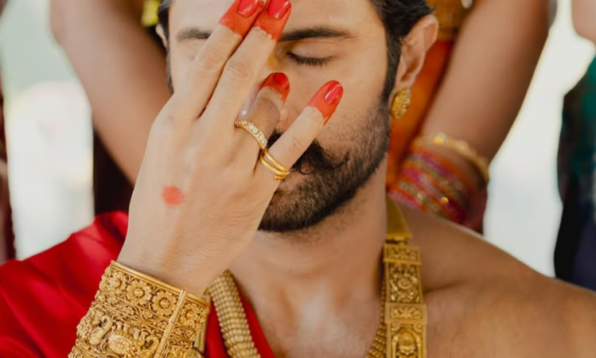
When Bani asked Harteerath what the turban means to him, he shared, “Countless people have given their lives for it (turban),” he said. In the Sikh context, a turban is made through a lad, referring to the layer or fold of fabric. These layers further define the style or size of the turban, also called a pagg or dastar. Usually, it has four to six layers or more, depending on the length of the cloth the wearer chooses. “Every turn or every lad I tie, I don’t know how many people shed their blood so that I can be blessed with this dastar,” Harteerath said. He considers the turban sacred and even bows to it every morning before tying it. “I make it a point to put it at the highest platform in my wardrobe as well,” Harteerath shared.
“I was a spoilt brat as a kid”
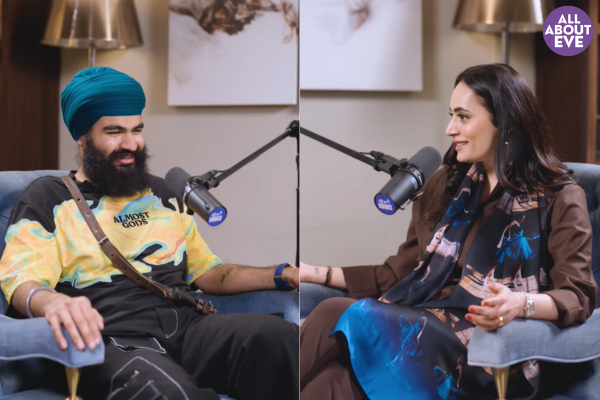
When talking about the turban, Bani asked Harteerath whether he had inherited this feeling towards it or if it came to him instinctively. “It’s something I have picked up along the way,” Harteerath said. Have you seen those reels where people put a dirty glass under a running tap? With time, the running water clears out the dirt, right? That’s exactly how Harteerath felt about starting sewa, which eventually inclined him towards such discipline. “I used to throw kids’ phones in the pool, and be like, ‘No worries, we’ll get a new one tomorrow.’ I was a bully, like I was a spoilt brat,” Harteerath shared.
He then recalled the 2013 Uttarakhand floods. He shared that he was going to the Hemkunt Sahib Gurudwara with his family. “I saw death very closely… And I was like, ‘There will be nobody to cremate us’. And I asked my grandma, ‘Dadi, will we be able to come out of this?’ And she had no answer,” Harteerath said. Since then, he has considered himself fortunate and feels the need to make the most of his luck. Harteerath took that incident as a sign, a learning, and a reason to start what he is doing today, contributing to healthcare, education and humanitarian aid. “I even went back with my dad (to Uttarakhand) a month later to see the amount of destruction and how we can do sewa,” Harteerath said.
Watch the full episode here.
Featured Image Source
Related: ‘My Sitar Broke An Hour Before A Show’: Rishab Rikhiram Sharma On His Faith In Lord Shiva
- Share:
-

-

-