Web Stories
Brides-To-Be, Your Dream Bridal Look Could Go Wrong Because Of These Tiny Fashion Mistakes

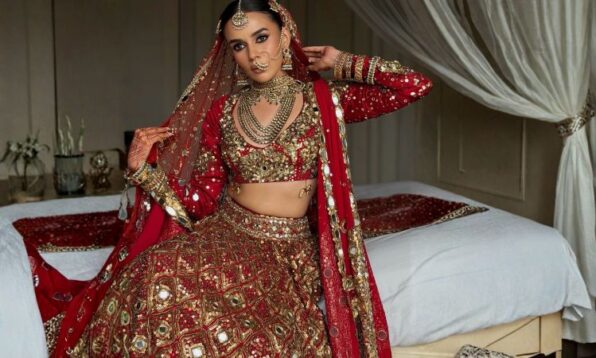
A wedding outfit is probably the most photographed thing a woman ever wears. Your wedding is also a day you revisit often. It lives on in photographs, video, and social media too. That is exactly why getting your bridal outfit right matters so much. Ironically, most brides spend months finding the perfect lehenga or saree but overlook the smaller details that affect the final result. A gorgeous designer outfit can lose its charm because of an ill-fitted blouse, uncomfortable shoes, or jewellery that competes with the embroidery. These aren’t fashion disasters, of course, but they are the kind of wedding outfit mistakes that can make your bridal look feel incomplete. If you’re a 2026-27 bride, make sure you’re not making these bridal fashion mistakes on your wedding day.
Choosing an outfit that suits trends instead of you
Social media has made bridal fashion more exciting than ever, but it has also made it much easier to feel pressured into following trends. Just because deep wine velvet lehengas, pastel florals or corset blouses are everywhere does not mean they suit every bride. The best bridal outfit tips always start with understanding your own style, body shape and comfort level. Your wedding outfit should feel like an elevated version of you, not a costume inspired by someone else’s Pinterest board. Years from now, timeless personal style will age much better than chasing every viral trend.
Ignoring the fit because alterations can be done later
Many brides assume alterations are a last-minute task. They buy their outfit months in advance and only think about fittings a week before the wedding. Unfortunately, that often leads to rushed tailoring and disappointing results. Even the most expensive bridal outfit cannot compensate for poor fit. Sleeves that are too tight restrict movement, loose blouses create awkward gaps in photographs, and heavy lehengas sitting too low can completely change your proportions. Schedule multiple fittings, especially if your weight fluctuates or your outfit includes structured elements.
Forgetting how heavy the outfit actually is

That heavily embroidered lehenga may feel manageable during a ten-minute trial, but your wedding celebrations could last ten hours or more. The weight of your lehenga affects everything from your posture to your facial expressions. Brides often underestimate how exhausting it is to walk, greet guests, dance, and pose for photographs while carrying several kilograms of fabric and embroidery. If your outfit is too heavy, you may spend the entire event adjusting it instead of enjoying yourself. This will make you look tired and annoyed in the wedding pictures. When trying on outfits, walk around the boutique, sit down, climb a few steps, and even pretend to dance. It is a much better test than simply standing in front of a mirror.
Wearing jewellery that competes with the outfit
One of the biggest bridal fashion mistakes is believing more jewellery automatically creates a richer look. If your lehenga already has intricate zardozi, sequins or stonework, oversized necklaces, elaborate earrings, layered chokers, multiple maang tikkas, and chunky bangles can make everything blend into one busy composition. Instead of highlighting your outfit, the accessories overwhelm it. Choose one statement piece and allow it to take centre stage. Sometimes, elegant restraint creates a far more luxurious appearance. However, if you want to go all out, watch Komal Pandey’s latest bridal series to know how to go maximal without overwhelming your outfit.
Related: Komal Pandey’s Bridal Fashion Series: 8 Stunning Looks That Should Be On Every Bride’s Moodboard
Choosing the wrong blouse neckline
The blouse is often overlooked because the lehenga or saree receives most of the attention. However, the neckline plays a huge role in balancing your entire look. A high neckline paired with heavy necklaces can make the upper body appear crowded, while a deep neckline without adequate support may leave you constantly adjusting your outfit. The neckline should complement both your jewellery and your body proportions rather than competing with them. Always wear your actual bridal jewellery during your final blouse fitting to make sure everything works together.
Neglecting your footwear until the last minute
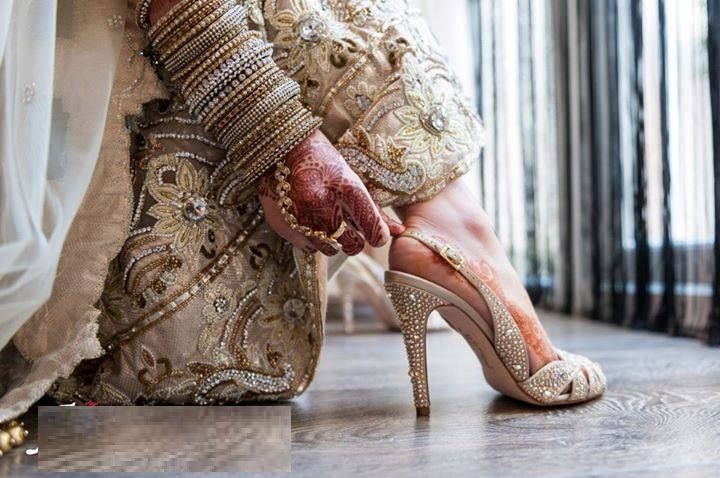
Beautiful bridal shoes hidden beneath a lehenga still matter more than many people realise. The wrong heel height affects your posture, your confidence and even the way your outfit falls. If your footwear is uncomfortable, you may unconsciously change the way you stand or walk, which will easily reflect in the photographs. Break in your shoes before the wedding and wear them during your final outfit fitting. This ensures the lehenga length is correct and reduces the risk of painful blisters on the day.
Not checking how the outfit looks in different lighting
Boutique lighting is designed to make clothes sparkle. Wedding venues rarely have the same lighting conditions. Gold embroidery may appear subtle indoors but become extremely reflective under camera flashes. Certain pastel shades can also look washed out in bright daylight. Ask to see your outfit under natural light and take photographs using both your phone camera and flash. This gives a much more realistic idea of how your bridal look will appear in wedding photographs.
Ignoring your body type instead of dressing for it
Every body is different, and the most flattering bridal look is one that works with your proportions rather than against them. One of the most common wedding outfit mistakes is choosing a silhouette simply because it is trending, without considering how it complements your body type. For example, brides with a petite frame can easily get overwhelmed by excessive can-can layers or oversized motifs, while taller brides often carry voluminous skirts beautifully. Similarly, A-line lehengas tend to flatter most body shapes, whereas mermaid or fishtail silhouettes are better suited to brides who are comfortable with a more fitted look. The goal is to choose cuts that help you feel balanced, comfortable, and confident. When your outfit works with your natural shape, you spend less time worrying about how you look and more time enjoying your wedding.
Related: Under 5’2? Here’s How To Choose And Style Your Bridal Lehenga To Look Taller On Your Big Day
Choosing the wrong fabric for your lehenga
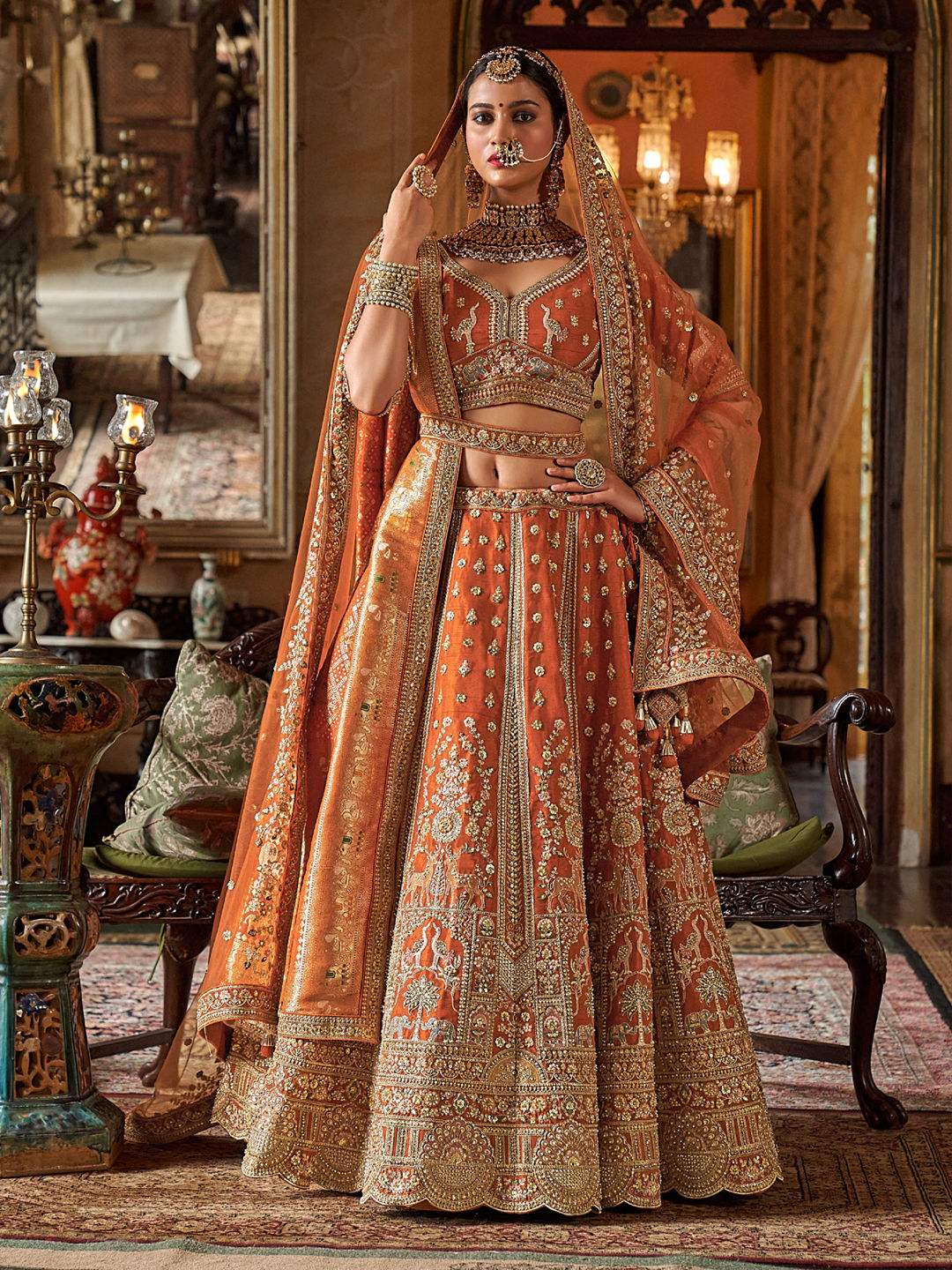
When shopping for a bridal outfit, most brides focus on colour and embroidery while paying very little attention to fabric. However, the fabric determines how your lehenga falls, how comfortable it feels, and even how expensive it looks in photographs. A heavily embroidered velvet lehenga may be perfect for a winter evening wedding but can feel unbearably hot during a summer daytime ceremony. Likewise, stiff fabrics can add unnecessary volume, while fabrics that are too soft may not hold the silhouette you want. Silk creates a structured, regal appearance, organza offers an airy and contemporary feel, georgette drapes beautifully for lighter functions, while raw silk provides a luxurious finish without excessive weight. Choosing the right fabric based on the season, venue, and silhouette is one of the most valuable bridal outfit tips.
Avoid these common wedding outfit mistakes, and your bridal look will feel timeless both in person and in every photograph.
Featured Image Source
FAQs
Q1. How far in advance should I buy my bridal outfit?
Ideally, purchase your bridal outfit around six to eight months before your wedding. This gives you enough time for customisation, multiple fittings, and any unexpected alterations without unnecessary stress.
Q2. Is it better to rent or buy a bridal lehenga?
It depends on your priorities. Buying allows for complete customisation and sentimental value, while renting can be a practical option if you want to wear a designer outfit on a smaller budget.
Q3. What colour bridal outfit photographs best?
Rich jewel tones such as emerald, ruby, deep red and royal blue usually photograph beautifully, while soft pastels create a romantic look. The best choice also depends on your skin tone, venue lighting, and wedding theme.
Q4. Should I match my bridal outfit with the wedding décor?
You do not need an exact match, but your outfit should complement the colour palette of your venue and décor. This creates more cohesive and visually pleasing wedding photographs.
Q5. How can I preserve my bridal outfit after the wedding?
Have it professionally cleaned as soon as possible to remove makeup, sweat, and stains. Store it in a breathable muslin garment bag rather than plastic, and keep it away from direct sunlight and moisture to maintain its colour and embroidery.
- Share:
-

-

-