Web Stories
Is Your Protection The Problem? Signs You Might Be Allergic To Condoms


You might assume that any discomfort after sex is just, well, part of the experience. A bit of sensitivity, perhaps some friction, is nothing to worry about. But what if your body is actually giving you signs? A condom allergy is more common than most people realise, and because its symptoms often overlap with other conditions, it frequently goes undetected for years. Here are some signs of a condom allergy that you need to take seriously.
Related: Sex Myths And Facts Quiz: Did Those Biology Lessons Do Any Good?
What exactly are you reacting to?
When people say they’re “allergic to condoms,” they usually mean one of two things: a latex allergy or a reaction to the additives used in condom manufacturing, like spermicides, lubricants, preservatives, or the chemical accelerators used to process the latex itself.
Latex allergy is the most well-known culprit. Natural rubber latex contains proteins that the immune system can, in some people, mistake for a threat. The body responds by releasing histamines, triggering symptoms that range from mildly irritating to genuinely serious. Latex allergies can develop at any point in life. You might have used condoms for years without issue and then, seemingly out of nowhere, start reacting.
Chemical sensitivities are a different matter. These are usually a form of contact dermatitis rather than a true IgE-mediated allergy. The reaction is localised and tends to be slower to develop, often appearing hours after exposure rather than immediately. Spermicide (especially nonoxynol-9), fragrances, parabens, and benzocaine (used in “delay” condoms) are frequent offenders.
The symptoms that are easy to miss
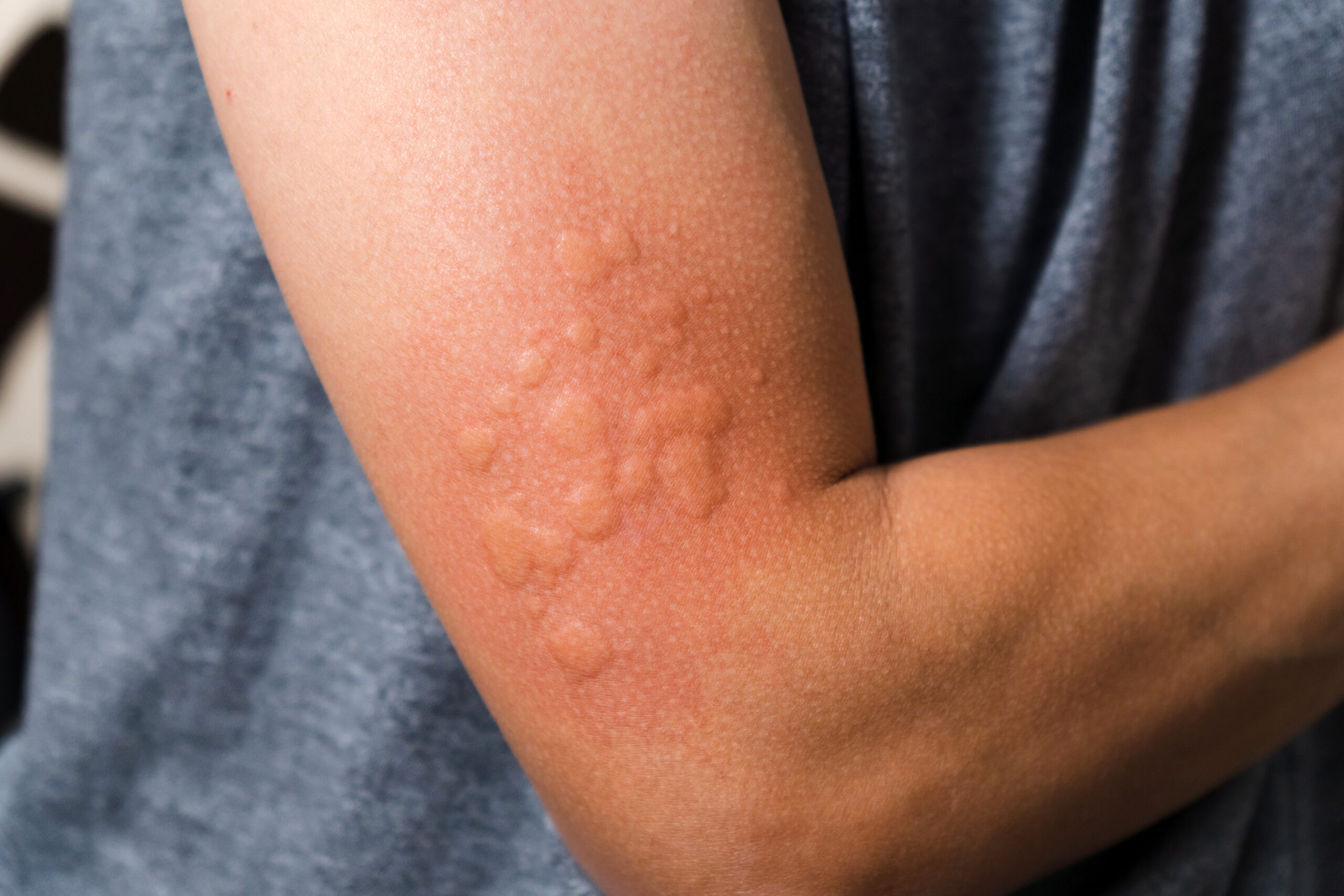
The signs of a condom allergy are not evident, at least not at first. Many people assume they have a yeast infection, bacterial vaginosis, a UTI, general irritation from shaving, or they think their skin is just sensitive. All of these conditions share overlapping signs with a latex or chemical reaction.
Symptoms to look out for:
- Itching, burning, or stinging in the genital area during or after sex
- Redness, swelling, or hives on areas that came into contact with the condom
- A rash or blistering with chemical contact dermatitis
- Vaginal discharge changes that follow a pattern linked to condom use
- Recurrent “infections” that don’t respond properly to standard treatment
- Swelling of the lips, tongue, or throat in rare but serious cases of systemic latex allergy
The obvious clue is timing and pattern. If your symptoms appear after condom use specifically, ease up between sexual encounters, and return when you use condoms again, that’s a meaningful signal worth investigating.
Who is more at risk?
Certain groups are statistically more likely to develop a latex allergy. Healthcare workers who wear latex gloves regularly, people who’ve had multiple surgical procedures (where latex gloves and equipment are used), and those with existing allergies to certain foods are all at elevated risk.
The food connection often surprises people: latex and certain foods share structurally similar proteins, a phenomenon called latex-fruit syndrome. If you have allergic reactions to avocados, bananas, chestnuts, or kiwis, you may also be more susceptible to latex allergy. It doesn’t mean you will react, but it’s worth being aware of. People with eczema or other skin conditions may also find they’re more prone to contact dermatitis from condom additives, simply because their skin barrier is more easily disrupted.
So, how do you actually find out?
The honest answer is that you have to pay attention and then get tested. Start by keeping a record. Note when symptoms appear, how long they last, and whether they correlate with condom use versus other factors (a new soap, a new partner, a new lubricant). This pattern recognition is useful when you speak to a doctor.
Your doctor can refer you for skin prick testing or patch testing, depending on whether a true allergy or contact dermatitis is suspected. A blood test measuring IgE antibodies to latex can also confirm a latex allergy. These tests aren’t perfect, but they give you far more to work with than guesswork.
One simple thing you can try in the meantime is to switch to a latex-free condom. Polyurethane and polyisoprene condoms are widely available and just as effective at preventing pregnancy and STIs when used correctly. If your symptoms disappear with the switch, that’s already important information.
It’s not all about latex

It’s important to be specific about which condom you’re reacting to. Some people react to spermicidal lubricant but are absolutely fine with non-spermicidal latex condoms. Others react to fragranced or flavoured varieties but tolerate plain ones with no trouble. Condoms with benzocaine, marketed to help men last longer, can cause significant irritation or numbness for some partners, which is sometimes misread as an allergic reaction when it’s actually a pharmacological effect. Reading the ingredients list on condom packaging, tedious as it sounds, can help you identify the actual culprit.
When does a condom allergy become a medical emergency?
For most people, a condom allergy is an uncomfortable nuisance rather than a serious health risk. But latex allergy, particularly a systemic one, can escalate into anaphylaxis, a life-threatening reaction that requires immediate medical attention.
Signs of anaphylaxis include difficulty breathing, a rapid or weak pulse, dizziness, a sudden drop in blood pressure, and loss of consciousness.
If you suspect something isn’t right, trust that instinct. Allergic and sensitivity reactions to condom materials are real, diagnosable, and manageable. There are excellent latex-free alternatives that don’t compromise on protection, and identifying the source of the problem is always better than simply tolerating it.
Your body tends to know when something’s wrong. The trick is learning to listen.
Featured Image Source
Related: India’s Pleasure Revolution: The Homegrown Sexual Wellness Brands Putting Women First
- Share:
-

-

-