Web Stories
Get Rid Of Mosquitoes And Lizards: Try These Plants To Make Your Home A No-Bug Zone This Summer

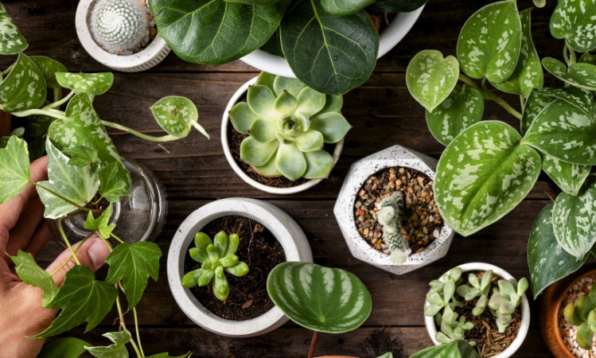
From mosquitoes buzzing right next to your ear and ants attacking your food, to the creepy lizards lounging on random walls like they own your space, it’s hard to romanticise this unforgiving summer. But before you tire yourself out with a mosquito racquet or a DIY ant repellent, we have a better fix. All you have to do is keep these beautiful plants in your home that will keep bugs far, far away from you.
1. Lemongrass

If mosquitoes had a nemesis, it would be lemongrass. The plant’s sharp, citrusy scent masks the smells that attract mosquitoes in the first place, making your home invisible to them. Lemongrass also deters ants, so your kitchen counters get a little extra protection. While the plant shooes away insects, you can snip some of the lemongrass leaves for teas, broths, or even a DIY summer cooler.
How to care for lemongrass: Place the plant in bright, direct sunlight. Water regularly to keep the soil lightly moist, about 2-3 times a week in summer, but avoid waterlogging.
2. Spider plant

Have you also got a spider plant for your home for its aesthetic appeal and air-purifying benefits? Well, it’s also a powerful weapon to deal with summer pests. Lizards consider the spider plant’s appearance and its chemical scent as threats, so they keep their distance from the plant and ultimately from your home.
How to care for spider plant: Keep the plant in bright, indirect sunlight. Water 2-3 times a week in summer, letting the top layer of soil dry out between waterings.
3. Rosemary plant

Even though this plant smells amazing to you, the scent is a nightmare for mosquitoes, flies, ants, and moths. Rosemary’s woody fragrance acts as a natural repellent since it contains camphor, eucalyptol, and limonene. Place the plant around windows, balconies, or anywhere bugs tend to sneak in. You can also use rosemary leaves to elevate the flavour of a roasted veggie salad or to make a homemade hair oil.
How to care for rosemary plant: The rosemary plant needs plenty of bright sunlight, ideally for 6-8 hours. Water it lightly 1-2 times a week, letting the soil dry out between waterings.
4. Marigold plant

This is one of the most widely used flower-bearing plants for both religious and décor-related purposes. But these pretty marigolds are secretly pest repellents. Their strong, pungent smell helps keep insects like mosquitoes and beetles away. Marigolds’ roots also excrete chemical compounds that prevent parasitic worms from being born and destroy the plant’s roots.
How to care for marigold plant: The plant thrives in full, direct sunlight. Water it moderately about 2-3 times a week in summer, keeping the soil moist, not soggy.
5. Tulsi

A staple in Indian homes, tulsi isn’t just spiritually significant, but also a natural bug repellent. The strong, clove-like aroma helps keep lizards and mosquitoes at bay during the heat. Keep the plant near windowsills and entryways to prevent the insects from barging into your home. Extracts from tulsi leaves are effective at killing mosquito larvae, preventing the insects from multiplying.
How to care for tulsi: Keep the plant in bright sunlight for a few hours daily. Water the tulsi plant regularly 3-4 times a week, keeping the soil lightly moist but well-drained.
6. Garlic plant

The garlic plant might not be the first choice for your home or garden, but it will change your mind once you know how effectively it repels insects in summer. Its sulphurous odour repels mosquitoes, spider mites, and ants, as well as some crawling insects that find their way indoors. The scent prevents insects from nesting and laying eggs in the soil, reducing long-term pest pressure.
How to care for garlic plant: Place the plant in direct sunlight and water it 1-2 times a week without waterlogging.
7. Indian borage
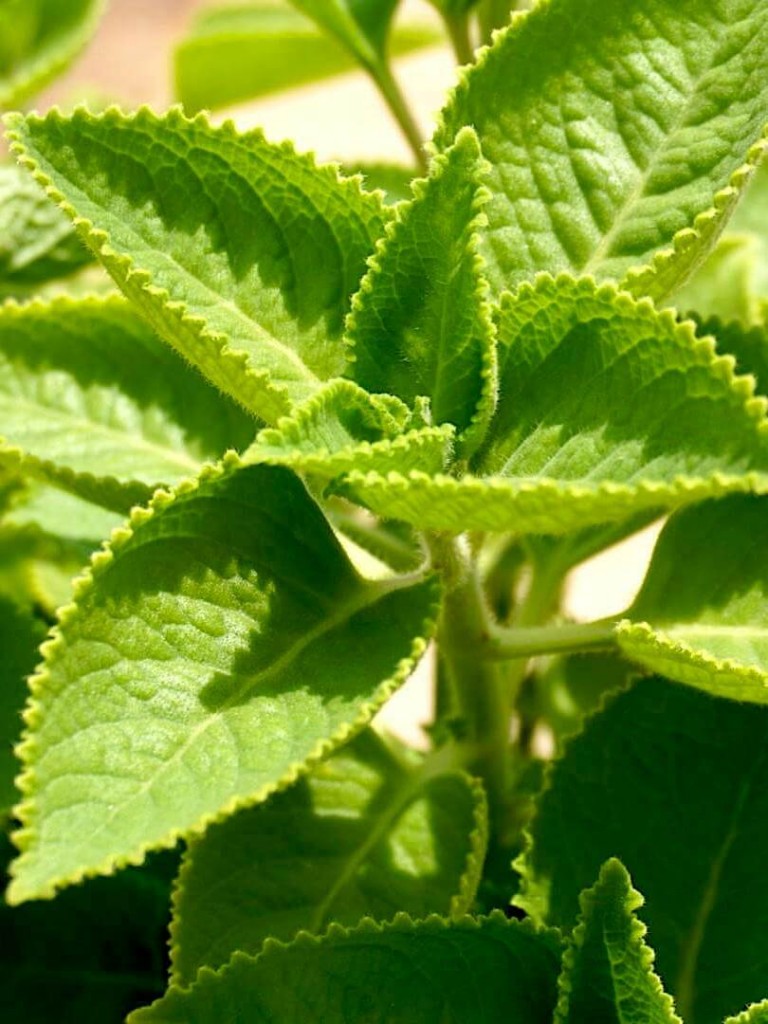
The Indian borage, or ajwain patta, like other medicinal plants, keeps insects away with its strong aroma and volatile essential oils. The plant contains substances such as flavonoids, tannins, and saponins that act as antifeedants, deterring insects from eating the leaves and multiplying. While repelling pests, the plant also attracts beneficial predators and pollinators, helping keep destructive pest populations in check.
How to care for ajwain patta: Keep the Indian borage mostly in bright, indirect sunlight, seldom exposing it to direct sun. Water the plant 2-3 times a week, letting the soil dry out slightly between waterings.
Featured Image Source
More from All About Eve
8 Natural Ways to Get Rid Of Lizards From Your Homes
Easy, Non-Toxic Ways To Get Rid Of Mosquitoes At Home
How To Get Rid Of Ants: 8 Home Remedies That Are Easy To Follow
Forget Air Purifiers, This Leafy Plant Is More Helpful In Fighting Stubborn Air Pollution
Is Lucky Bamboo Plant Really ‘Lucky’ For You? What Vastu Says About Its Nature, Placement, And Care
- Share:
-

-

-