Web Stories
Do You Crave Sugar 24×7? Try These Herbs To Control The Urge


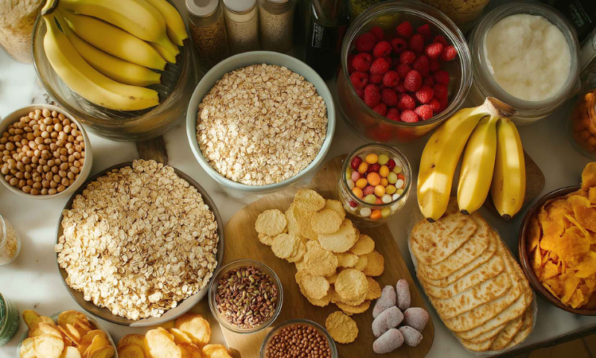
There’s always room for dessert, or so we tell ourselves, as chocolate after lunch and biscuits with chai become daily rituals. What feels harmless can slowly turn into persistent cravings, often linked to fluctuating blood sugar levels and, over time, bigger health risks like diabetes. While many turn to sugar substitutes to course-correct, not all alternatives are as gentle on the body as they seem. So, you should rely on brands that use naturally derived sweeteners for a smarter switch. But if you want to go down an even healthier path, try these herbs that help reduce sugar cravings naturally.
Related: Cutting Back On Sugar? Try These Homegrown Brands For Healthy Natural Sweeteners
1. Gymnema sylvestre
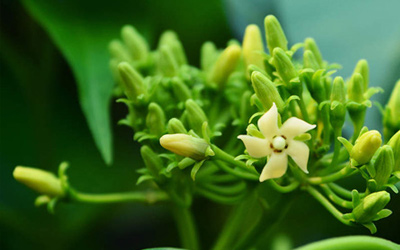
In Ayurveda, gymnema sylvestre is often called gurmar, the sugar destroyer. It reduces the tongue’s ability to detect sweetness. This reduces the urge to reach for desserts. Gurmar also supports insulin activity and helps regulate blood glucose levels. You can consume gymnema sylvestre as a capsule, in powdered form with warm water, or brewed as a tea, ideally after meals to help manage post-meal spikes.
2. Mulethi (Liquorice root)
Do you grab a cupcake or chocolate the moment stress kicks in? When cortisol rises, the body looks for quick sugar to cope, which is where those sudden cravings begin. Interestingly, mulethi or liquorice root is naturally sweet, which makes it a clever ally when you’re trying to cut back on sugar. The herb reduces stress-induced sugar cravings. The easiest way to take mulethi is as a soothing herbal tea, or in small, measured doses of powder, ideally after checking with a practitioner since it’s quite potent.
3. Ashwagandha
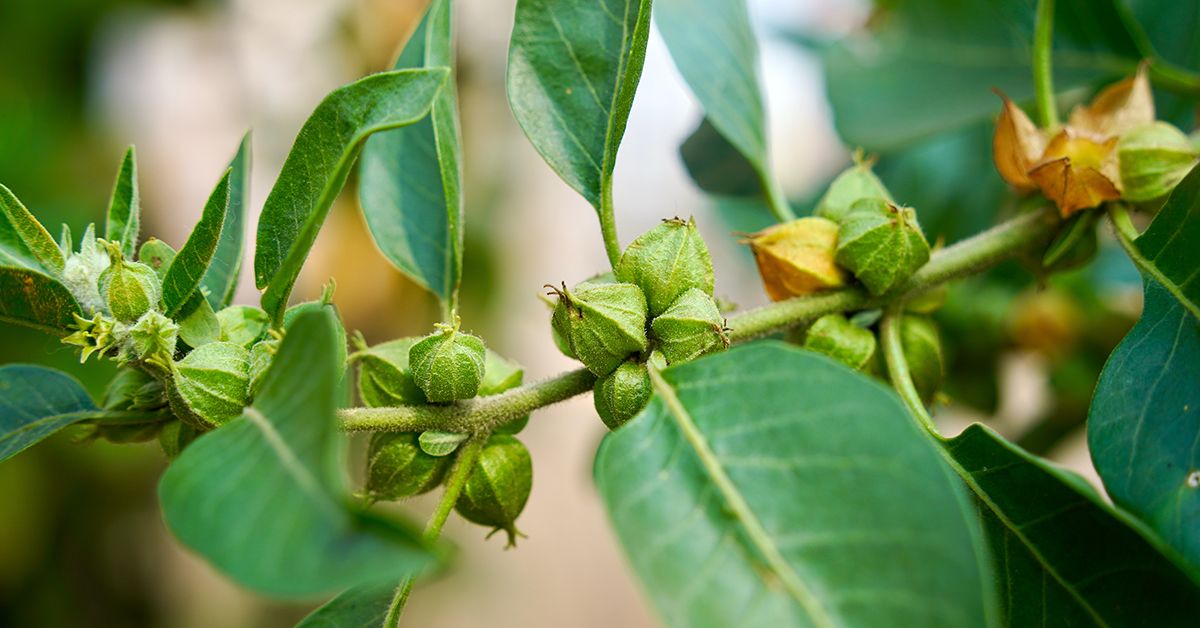
Like mulethi, ashwagandha reduces sugar cravings by regulating cortisol levels. When they are stable, blood sugar remains balanced, leading to fewer sugar cravings than usual. Ashwagandha also helps manage risk factors for diabetes. The herb is commonly taken as a powder stirred into warm milk at night or in capsule form as part of a daily routine.
4. Fenugreek
Fenugreek seeds may be tiny, but they have a noticeable impact on blood sugar control. Rich in soluble fibre, they slow down carbohydrate absorption and help prevent sudden spikes that often lead to cravings later. With steadier glucose levels, the urge for a sweet fix feels far less intense. Soak a teaspoon of fenugreek seeds overnight and have them on an empty stomach in the morning. You can also add powdered fenugreek seeds to warm water or meals.
5. Tulsi (Holy basil)

In Ayurveda, tulsi, or holy basil, has long been valued for helping the body return to balance, especially during stress. It manages stress hormones, preventing the cortisol-driven blood sugar swings that often spark sweet cravings. With more balanced glucose levels, those sudden urges tend to feel less intense and less frequent. Sip tulsi tea once or twice a day, particularly in the morning or after meals, for a steady effect. You can also soak the fresh leaves in lukewarm water and drink it.
6. Peppermint
Sometimes a craving is less about blood sugar and more about wanting a strong flavour hit. Peppermint’s crisp, cooling taste can interrupt that reflex, making desserts feel less tempting in the moment. It also aids digestion, which supports better appetite regulation. Brew it into a simple post-meal tea or keep peppermint leaves handy for a quick, refreshing reset when the sweet urge strikes.
7. Sage

If your sweet tooth shows up as soon as your energy levels drop, sage is what you need. It supports healthy blood sugar regulation by improving insulin sensitivity and supporting glucose metabolism, helping prevent sharp spikes and dips. Soak a few dried leaves in warm tea after meals, or add fresh sage to your everyday cooking for a subtle, consistent boost.
Featured Image Source
Related: Eat These Seeds To Regulate Your Blood Sugar Levels
FAQs
Q1. Can these herbs completely replace sugar in our diet?
No, they help curb cravings but work best alongside a gradual reduction of added sugar.
Q2. Are there any side effects of regularly consuming these herbs?
Generally safe in moderation, but some herbs like mulethi or fenugreek can be potent. So, you must follow the doses recommended by a physician.
Q3. How long does it take to notice reduced sugar cravings after using these herbs?
You can notice a difference in two to four weeks with consistent use.
Q4. Do these herbs interact with diabetes medications or other supplements?
Some herbs may affect blood sugar, so consult your doctor if you’re on medication.
Q5. Can kids or teenagers use these herbs to reduce sugar cravings?
Some herbs, including tulsi and sage, are safe in moderation, but it’s best to consult a paediatrician before giving them to kids.
- Share:
-

-

-