Web Stories
Being A Daughter: The World’s Most Draining Job With No Perks


There’s a moment in every family when the balance quietly shifts: a parent’s health dips, the hospital visits increase, or they need help navigating pills, bills and blood tests. Overwhelmingly, that role lands on daughters. It’s not always because she has more time. It’s not because she lives closer. And it’s definitely not because the son can’t do it. It’s because daughters are culturally trained to step in. And while daughters often step up willingly, what is less visible is the long-term cost to careers, financial stability and mental health that these gender roles in caregiving cost.
Women care for parents more than men: Research proves gender roles in caregiving
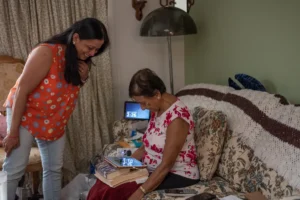
We all know this truth. But research spells it out even more clearly. A huge body of research shows that women, especially daughters, shoulder the majority of care for ageing parents. An annual report by The Transamerica Centre for Retirement Studies confirms that 43 per cent of women have served as caregivers at some point compared to only 35 per cent of men. A New York Times piece went even further: among caregivers of ageing parents, women are the ones missing work, cutting down hours, and in one out of 10 cases, losing jobs altogether.
While there’s no specific data for this in India, a survey done by HelpAge India, a leading non-profit organisation in India, showed that 28 to 68 per cent of daughters-in-law provide care for the elderly. On the other hand, only 10 to 51 per cent of sons help with caregiving. And it’s not just the physical work of feeding, bathing, and hospital visits. Women also shoulder the emotional load: comforting, updating relatives, noticing symptoms, remembering medicines, and absorbing the stress of worst case scenarios.
The cost of daughterhood bias
Caregiving is taxing, both emotionally and physically, especially if you have been doing it for a long time. It’s a constant emotional load. You’re worrying even when you’re not physically doing anything. You’re the one doctors call. You’re the one relatives check in with. You’re the one who remembers every pill and every follow-up date. And research backs up how heavy this load can be. An international study published by OUP Academic found that caregivers report significantly higher levels of depression and anxiety than men in the same role. Then comes the financial hit, the one people rarely talk about. Sure, men often handle financial contributions, and yes, that matters. But caregiving costs women money too, in ways that don’t show up in bills.
A study published in The Journals of Gerontology reported that 52.4 per cent of employed caregivers said caregiving interfered with their jobs, and nearly 40 per cent quit or retired early because of it. The study also mentions that caregivers who said that caregiving duties interfered with their work also reported higher levels of emotional stress. Now imagine half the caregivers in your workplace struggling silently with work because a parent needs care and no one else is willing to share that load. Overwhelmingly, this group will be made up of women. Career breaks for caregiving aren’t treated like maternity breaks or study breaks. They’re treated as “personal issues”, which means women re-enter the workforce quietly penalised. Losing your job or having to reduce work hours means losing money.
The financial penalty of being a daughter
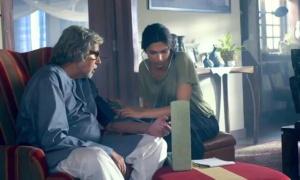
Another study published in Research on Ageing analysed 460 caregiving women, and the results are shocking. These women saw a 4.2 per cent reduction in their hourly wages. On the other hand, another group of women who weren’t caregivers were analysed, and their wages increased by 2.7 per cent in the same time period. This study is an eye-opener on how women not only suffer mentally and physically but also financially for being caregivers to the elderly. It’s the hidden tax of being the responsible child: the money you lose simply because you showed up.
Apart from this, their entire lives turn upside down. Life plans have to change because they can’t leave an ailing parent behind. Remember the movie Piku? She had to cancel her plans and delay her marriage because she couldn’t leave her father. The same is the case with many Indian women. Everyone sees the daughter who is “so responsible”. No one sees the life she rearranged to become that person.
This doesn’t mean women should stop caring. But they shouldn’t be caring alone. It should be a family responsibility. It should come with workplace support. It should come with shared duties from siblings (especially sons who inherit most of their parents’ assets), and with institutional backing so women aren’t forced to sacrifice their futures to do what’s right.
Featured Image Source
More from All About Eve:
LinkedIn’s Algorithm Bias: Why Every Woman Should Be A ‘Man’ On LinkedIn
The Invisible War: How Constant Fear Rewires Women And Their Mental Health
Is LinkedIn Unsafe For Women Now? Cybersecurity Expert’s Online Safety Tips To Follow
The Price Of Being A Woman: Women Pay 20% More To Simply Exist In India
- Share:
-

-

-