Web Stories
Tired Of Scheduling Catch-Ups With Your Friends? Why Every Adult Needs A Doorbell Friend

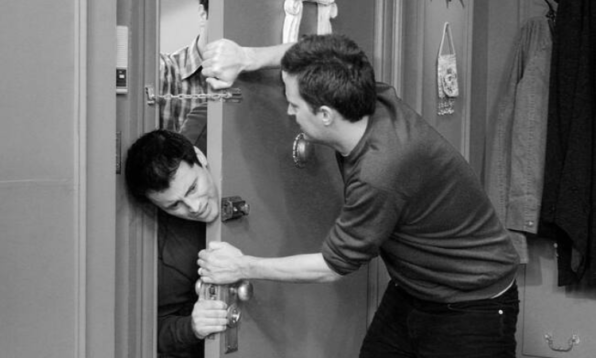
As 10-year-olds, didn’t we all have big plans for when we turned into adults with high-paying jobs? Then the 9-5 started; you stopped having interests, life got really busy, and all your relationships suddenly required too much effort to keep up. As adults, we all have friends with whom we keep scheduling and rescheduling plans because something or the other keeps coming up. And then there are those who will just show up at your door unannounced, steal your fries, give you emotional support lectures for three hours, and then leave with your hoodie. That’s your doorbell friend, the real homie, the truest of them all and the most unfiltered one.
Who’s a doorbell friend?
A doorbell friend is someone who exists beyond performance culture. They don’t need invites; you don’t need to host them or even put on a decent pair of pants when they show up unannounced. They have seen you in your oversized shorts and a t-shirt that looks like a tent and hair that hasn’t been washed in days. With them, you don’t feel the pressure to be your best self because they have seen you at your worst and still stayed by your side. Doorbell friends are those who can exist in the same space as you. There is no drama, no pretence, and no need for small talk. Basically, the human version of comfort food after a long day.
Your relationship doesn’t survive on constant gossip or the need to impress each other. It thrives in silence while you both scroll on your phones, sitting next to each other. It is the shared comfort, ease, familiarity, and emotional safety that truly defines your friendship.
Why are doorbell friends important?
Like it or not, adult friendships are weirdly transactional. Everyone is busy in their own life, dealing with relationship issues, burnout at work, exhaustion from the hustle culture, and whatnot. That is exactly why doorbell friends matter. More than providing a social connection, they create a sense of emotional belonging. And having dependable friendships that make you feel emotionally safe improves mental well-being and reduces loneliness and stress.
These friends become part of your emotional ecosystem, making life feel less isolating and more spontaneous. Doorbell friendships are a gentle reminder that not all relationships need planning, perfection, and productivity attached to them. Not everything is a calendar event; sometimes love looks like showing up with snacks, no judgement, and dangerously unsolicited opinions. These kinds of friends help you heal and allow you to be your honest, unfiltered self and still be accepted by them.
How to become a doorbell friend
Love the idea of a doorbell friend, but don’t know how to become one? Well, it is fairly simple. Stop treating your close friendships like networking. These friendships are built through consistency, emotional safety, dependability, and comfort, not through grand gestures. Show up for your friends, not just when they need you, but also when things are going great. Check in with them for no reason. It builds an emotional connection and lets them know you’re there for them no matter what. Have boring conversations and moments; not everything needs to be exciting or a celebration.
And most importantly, bring them their comfort food. Be it dealing with a crisis, getting over a hard day, or just sharing a meal with a loved one, comfort food is a love language.
But like every relationship, there have to be some boundaries to keep in mind. Being close to someone does not mean expecting them to give you all their time, space, and energy. Respecting privacy, emotional boundaries, and reading the room are all part of maintaining a healthy friendship. These friendships are based on mutual trust and effort. One person can’t be the crisis manager, therapist, and support system 24/7. You need to reciprocate with the same effort and energy, and sometimes, let your presence be louder than any advice you might have. After all, knowing the difference makes all the difference.
Featured Image Source
More from All About Eve
Detachment Dating 101: The Gen Z Dating Trend That Will Save You From Emotional Burnout And Therapy
Had An Awkward First Date? Here’s Why You Should Still Go On A Second Date With Them
Think Your Best Friend Is Your Soulmate? 5 Signs You Might Be In A Queerplatonic Relationship
- Share:
-

-

-