Web Stories
Is The 4B Movement A Solution To India’s “Good Girl” Problem?


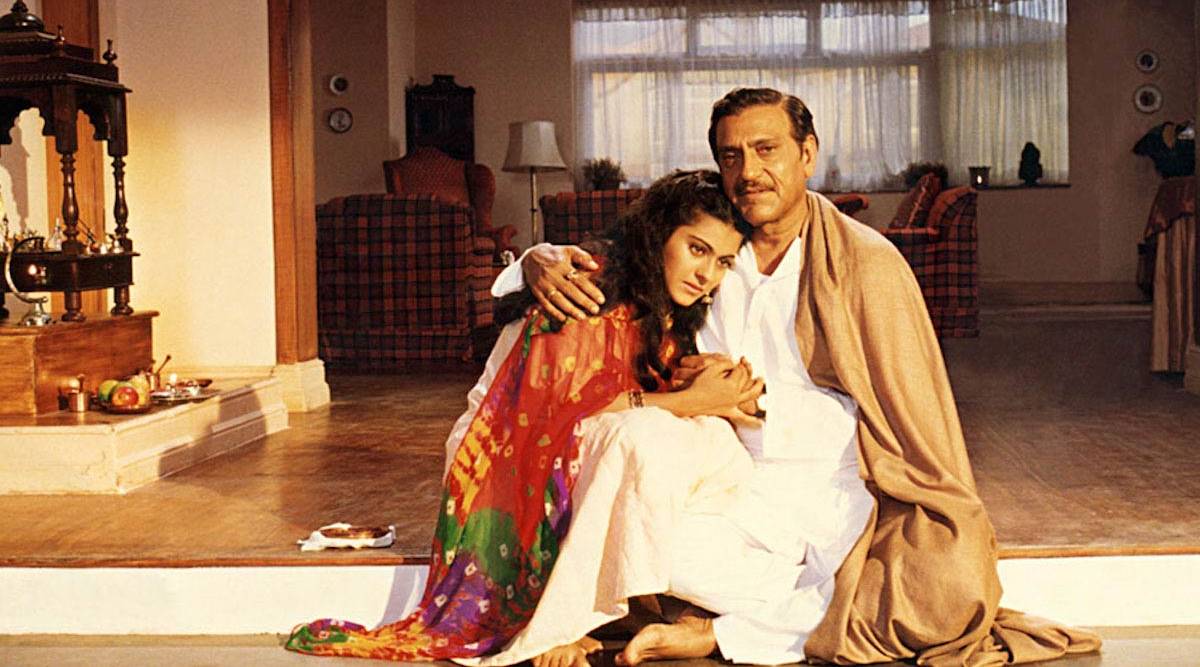
India has long celebrated the idea of the “good girl”. She is polite, accommodating, family-oriented, emotionally resilient, endlessly patient, and eternally virgin. From childhood, we are taught that being quiet, agreeable and self-sacrificing makes us good girls. And a good girl is extremely desirable. This conditioning, now widely referred to as the good girl syndrome, shapes women’s choices in education, relationships, marriage, motherhood, and even ambition. Thankfully, in recent years, women have started to reject the good girl concept. This is where South Korea’s 4B movement enters the picture. It’s a radical feminist response from South Korea that’s making women across the world sit up and take notice. But now that it’s expanding beyond the borders of South Korea, it’s worth asking: could this be the antidote to India’s suffocating good girl syndrome? Or is it still too extreme a remedy for an unshakeable cultural disease?
What is the 4B movement?

The 4B movement originated in South Korea as a feminist response to deep-rooted patriarchy, rising misogyny, and the unequal burden placed on women within families and society. The term “4B” comes from four Korean words that all begin with “bi,” meaning “no”: no dating men (biyeonae), no sex with men (bisekseu), no marriage to men (bihon), and no childbirth (bichulsan). In essence, the movement calls on women to withdraw from heterosexual romantic and familial expectations that disproportionately disadvantage them. It is not about hating men, but about rejecting systems that rely on women’s unpaid labour, emotional sacrifice, and reproductive roles without offering equality or respect in return.
Can the 4B movement work in India?
South Korea and India share striking similarities in their treatment of women. Both are rapidly developing economies, yet face enormous gender pay gaps and limited career advancement. The cultures in both countries place immense pressure on women’s appearance — South Korea’s plastic surgery industry parallels India’s fairness cream obsession and rigid beauty standards. Both societies use women as symbols of cultural honour and tradition. South Korea consistently ranks worst in the Organisation for Economic Co-operation and Development (OECD) for the gender wage gap, and social mobility remains limited. India, meanwhile, ranked 131 out of 148 countries for gender equality according to the World Economic Forum.
The 4B movement, in its purest form, may not be fully transferable to India. The country’s social realities, like economic dependence, caste dynamics, family structures, and safety concerns, make total withdrawal unrealistic for many women. Movements like 4B need unity. Women must come together to protest. In India, a significant number of women don’t recognise the injustices meted out to them. According to the National Family Health Survey, 45 per cent of women justify the violence they face at the hands of their husbands. In a country where we are justifying abuse, how will we ever stand up against it?
However, even partial adoption of this mindset, like questioning marriage as a default goal, refusing emotional labour without reciprocity, or choosing singlehood without guilt, can be transformative. And it is happening. Many Indian women are choosing to stay single because they don’t want to compromise on their choices. This directly confronts India’s good girl syndrome, which trains women to seek validation through approval, sacrifice, and motherhood. By refusing to make these ideas the centre of our identity, we are also letting go of the good girl syndrome.
Featured Image Source
Related: What Is A Feminist? Why Is The Angry Being Trying To Destroy Society?
FAQs
Q1. Is the 4B movement anti-men or misandrist?
No, it’s about women prioritising their safety and wellbeing in systems that don’t protect them. It’s a response to structural inequality, not hatred of individual men.
Q2. Won’t women following the 4B principles become lonely and isolated?
Many 4B followers report finding deeper connections with friends and female communities. Loneliness often comes from unfulfilling relationships, not from being single.
Q3. How can I start setting boundaries without completely cutting off relationships?
Begin small, say no to one unreasonable demand, voice one preference, or take space when you need it. Observe who respects your boundaries and who pressures you to abandon them.
Q4. Will adopting the 4B principles affect my career or social standing in India?
Potentially, yes, but so does staying trapped in the good girl syndrome. The question is which consequences you can live with more easily: external disapproval or internal erasure.
Q5. Can married women or mothers relate to the 4B philosophy?
Absolutely. The 4B principles can apply to setting boundaries within existing relationships, refusing additional unpaid labour, or choosing not to have more children. It’s about agency, not relationship status.
Q6. Is this just a Western feminist idea being forced onto Indian culture?
No, the 4B movement originated in South Korea, an Asian country with similar patriarchal structures. Indian women also face similar issues as South Korean women.
- Share:
-

-

-