Web Stories
When Love Comes With A Deadline: Is The ‘Sunset Clause’ Dating Trend Healthy Or Total Crap?


In 2026, dating comes with terms and conditions applied. People want clarity before commitment in relationships. And why not? No one has the time and energy to start yet another three-month situationship, only to take a year to get over it. Enter the sunset clause, a new dating trend where relationships come with an expiry date or a scheduled review period. People are not going with the flow anymore. Instead, they want to reflect on their relationships and part ways before it gets complicated. Does this make the sunset clause mature or slightly terrifying?
What is a sunset clause in dating?

The term originally comes from the legal world where a sunset law or sunset clause refers to a contract, law, or regulation that expires after a set period. In Gen Z’s dating lingo, the sunset clause translates into a relationship with a mutually agreed timeline. Think of it this way: you meet someone, you both pass the vibe check, and you see potential in the relationship. But instead of letting things unfold slowly and ambiguously, you both agree upfront to revisit the relationship after a fixed period, say, six months. At that point, you reassess the scope of a future together. If there isn’t any, you both break up with no hard feelings.
Why are people trying the sunset clause dating trend
As reported by Mid-Day, a survey by the Indian dating app QuackQuack reveals that nearly 37 per cent of Indians are experimenting with the sunset clause dating trend. They want to limit their use of dating apps and be intentional about who really deserves their time. More so, modern dating has left people emotionally exhausted. According to a dating-related health survey by Forbes, 78 per cent of users report dating app burnout. So, it’s only sensible for people to prioritise peace over potential.
They want emotional safety and honesty in relationships without investing too much too soon. The sunset clause dating is mostly common among those who are emotionally self-aware or commitment-conscious. It also appeals to people navigating a long-distance relationship or going through life-changing transitions, including relocations for work or studies, job promotions, career switches or starting a new venture. It makes it easier for them to be in a relationship without fearing uncertainty. For post-breakup daters, the sunset clause offers a way to date again without making forever promises. But here’s the real question: is the sunset clause dating trend a red flag or the healthiest dating boundary Gen Z has ever set?
Sunset clause in dating: Healthy or toxic?
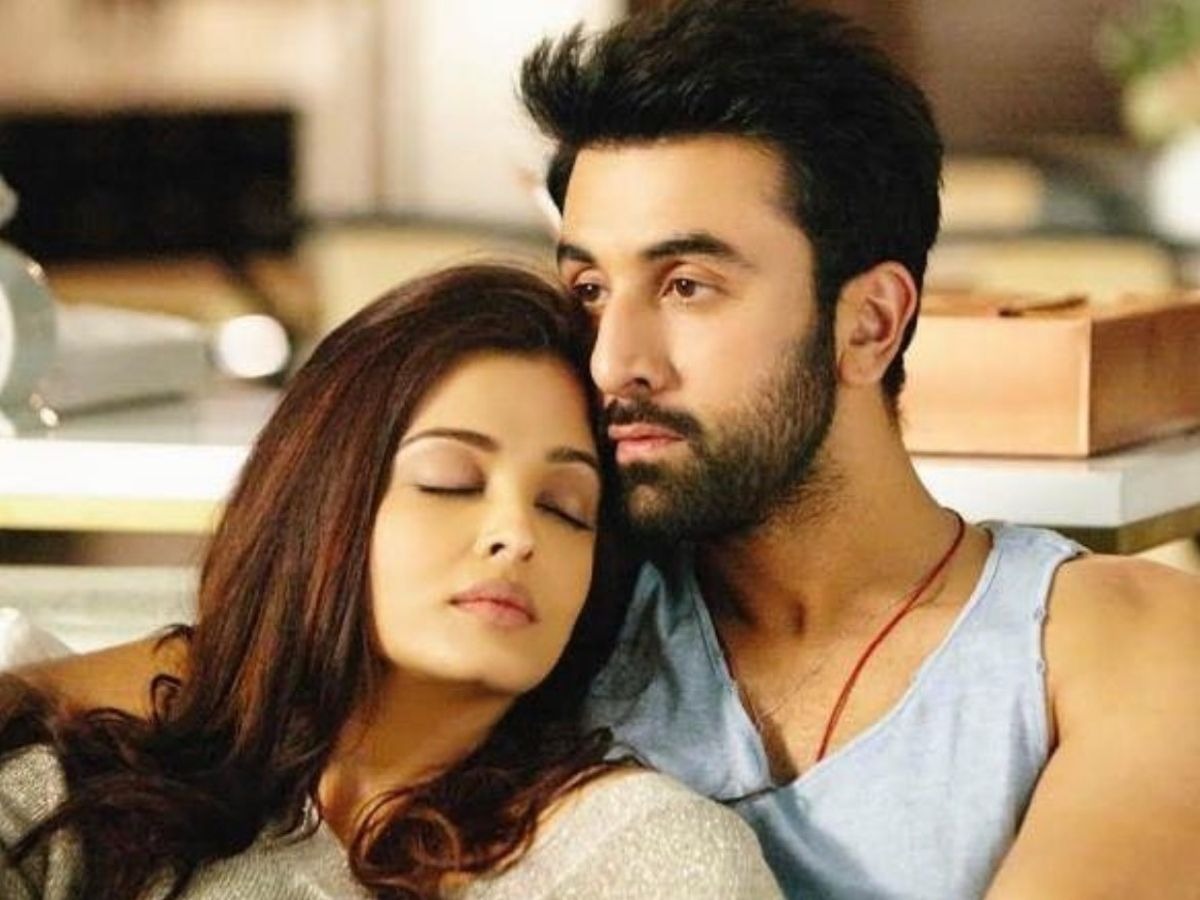
This is where things get tricky. A sunset clause isn’t automatically good or bad. Its impact depends entirely on the intention behind it and how it’s practised. So, before deciding whether the sunset clause is empowering or alarming, let’s see when it can actually work and when it should make you pause.
When the sunset clause dating trend can be healthy
What if you and your partner are equally wary of commitment but want to give each other a genuine chance? In such cases, a sunset clause can offer clarity instead of confusion. It removes the anxiety of guessing where things are headed and sets expectations upfront. It also takes the pressure off initiating uncomfortable conversations. Since you both have already agreed upon the timeline, it becomes easier to check in honestly and walk away without resentment, guilt, or emotional limbo.
When the sunset clause dating trend becomes a red flag
This is where the intent matters far more than the clause itself. The sunset clause starts looking like a red flag if you or your partner uses it as an excuse to avoid real emotional commitment, vulnerability or accountability. It also gets messy when one person just waits for the relationship to end while keeping other options open. They don’t put in the same effort as their partner to make the bond stronger. This also creates uneven power dynamics where one person just changes the rules in the middle of the contractual relationship without discussion.
A sunset clause doesn’t automatically doom a relationship, but it doesn’t guarantee emotional safety either. It can be a sign of self-awareness or a subtle way of keeping love at arm’s length. And that’s the real test of the relationship, because is it even love if it comes with a deadline, confusion, and all sorts of rules?
Featured Image Source
More from All About Eve
This Penguin-Inspired Dating Trend Will Change How You Show Love In 2026
Ladies, Your Partner Isn’t “Just Thinking Long-Term”. They Might Be Future Faking You
Your Man Isn’t “Bad” At Household Chores. He’s Tricking You Into Doing All The Work
We Have More Dating Options Than Ever, Yet Commitment Has Never Felt Harder
Trying To Break Up With A Toxic Partner? The DEEP Technique Will Make It Easier
- Share:
-

-

-