Web Stories
Intermittent Fasting May Not Work For You If You’re A Woman. Here’s Why

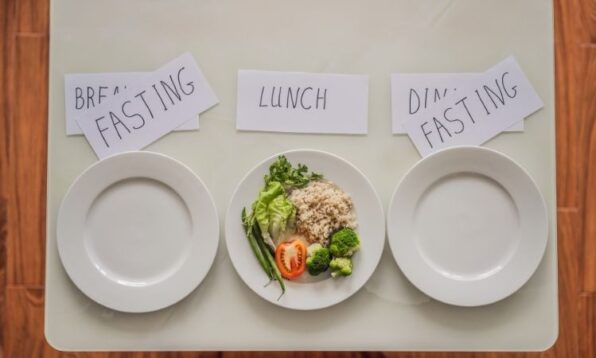
2026 is the year you decide to lose weight and get the body you have on your vision board. And like a lot of women, you have turned to intermittent fasting (IF) for weight loss because it seems so effective. But before you start starving yourself for 16 hours, let me tell you that IF doesn’t favourably affect women’s bodies. Research backs this. Intermittent fasting was never designed with women’s bodies in mind, which is why women face harsher side effects.
The research that should have come with a warning label
Intermittent fasting exploded in popularity over the past decade, with influencers, friends, and practically everyone vouching for it. However, the truth is, while IF might have moved that scale a bit, it might not be a good option for women. The overwhelming majority of studies investigating IF’s metabolic benefits have been conducted on men and male mice. When women are included, the results tell a dramatically different story.
A 2005 study published in Obesity Research found that while alternate-day fasting improved insulin sensitivity in men, it actually worsened glucose tolerance in women. Similarly, a systematic review looking at IF’s impact on female reproductive hormones and the menstrual cycle found that while fasting may help with weight loss, it can also disrupt hormonal rhythms and reproductive function if not tailored to women’s needs. This isn’t an isolated finding. Another study demonstrated that female rats subjected to intermittent fasting experienced disrupted estrogen cycles, shrunken ovaries, and increased anxiety-like behaviours. On the other hand, the male rats thrived, showing improved testosterone levels and metabolic markers.
Why women’s bodies react differently to intermittent fasting
Biology explains why IF isn’t the most sustainable lifestyle for women. Women’s bodies constantly monitor how much energy (food and calories) is coming in because reproduction is energetically expensive. Ovulation, maintaining a menstrual cycle, and supporting a potential pregnancy require a steady and reliable energy supply. So the female body has evolved to be extremely alert to changes in food availability. When energy intake drops or becomes unpredictable, the body doesn’t think in terms of weight loss or discipline. It thinks in terms of survival. It asks: Is this a safe time to reproduce? If no, it will delay ovulation, slow metabolism, and reduce reproductive hormones. Menstrual cycles can stretch, disappear or become erratic altogether.
The consequences don’t stop there. Sleep becomes lighter and more disrupted. Anxiety rises, and cravings intensify. This state, known clinically as hypothalamic amenorrhoea, isn’t your body malfunctioning. It’s your body doing exactly what evolution designed it to do: safeguarding a potential pregnancy in times of perceived scarcity.
Men’s bodies operate under a very different set of biological priorities. The male reproductive system is far less reactive to short-term energy deficits. Testosterone levels tend to remain relatively stable during fasting, allowing men to experience improved insulin sensitivity and fat loss without triggering hormonal chaos. And that distinction explains why intermittent fasting can be sustainable for men but not women.
Intermittent fasting and the cortisol connection
There’s another hormone lurking in this equation: cortisol. Fasting is, metabolically speaking, a form of stress. It triggers cortisol release to mobilise glucose stores and keep blood sugar stable during periods without food.
Research found that women show greater cortisol responses to fasting than men. Chronically elevated cortisol promotes abdominal fat storage, disrupts sleep, suppresses immune function, and interferes with thyroid hormone production. Many women attempting strict IF protocols find themselves with symptoms of hypothyroidism: fatigue, cold intolerance, hair loss, and stubborn weight gain, particularly around the midsection.
So, the very tool women are using to lose weight might trigger hormonal changes that make weight loss nearly impossible, while simultaneously damaging their health.
A study examined gender differences in fasting responses and concluded that women experience significantly more adverse effects, including increased hunger, poorer mood, and reduced cognitive performance, compared to men following identical protocols.
When IF might work for women, and how
This doesn’t mean intermittent fasting for weight loss is entirely off-limits for women. The approach needs modification. Emerging research suggests that women do better with gentler protocols: 12-14 hour overnight fasts rather than 16-18 hours, avoiding fasting during the luteal phase of the menstrual cycle (the two weeks before menstruation), and make sure you eat proper calories and nutrients during eating windows.
Dr Stacy Sims, an exercise physiologist specialising in female metabolism, advocates for what she calls “crescendo fasting”, which means fasting only two to three non-consecutive days per week rather than daily. This approach provides some metabolic benefits and avoids the hormonal disruption of continuous energy restriction.
The critical factor is making sure that fasting doesn’t push total calorie intake too low. Women who maintain adequate overall energy intake along with moderate fasting periods seem to avoid the negative hormonal consequences.
The intermittent fasting phenomenon has been largely shaped by research on male biology, then marketed to everyone as a universal solution. For women, particularly those of reproductive age, this one-size-fits-all approach can backfire spectacularly. So, if you want to try IF, go for a gentler approach instead of just starving your body.
Featured Image Source
Related: Jeera For Weight Loss: Easy Jeera Water Recipes That Are Healthy And Tasty
FAQs
Q1. Does intermittent fasting affect women of all ages in the same way?
Not necessarily. Younger women, perimenopausal women and postmenopausal women can respond very differently depending on hormone levels, stress, sleep and overall nutrition.
Q2. Can intermittent fasting permanently damage female hormones?
In most cases, no. Hormonal disruptions caused by fasting are usually reversible once regular, adequate eating is restored.
Q3. Is intermittent fasting safer for women who aren’t trying to lose weight?
It can be, but safety depends more on overall energy intake and stress levels than on weight-loss goals alone.
Q4. How long does it take to notice negative effects from fasting?
Some women notice changes within weeks, while others may not experience issues until months of consistent fasting or under-eating.
Q5. Are shorter fasting windows better tolerated by women?
Many women find gentler methods easier to sustain than extended fasts, especially when meals remain nutrient-dense.
Q6. Should women stop fasting if their periods change?
Yes. Menstrual changes are an important health signal and should not be ignored, even if weight loss continues.
- Share:
-

-

-