Web Stories
Under 5’2? Here’s How To Choose And Style Your Bridal Lehenga To Look Taller On Your Big Day

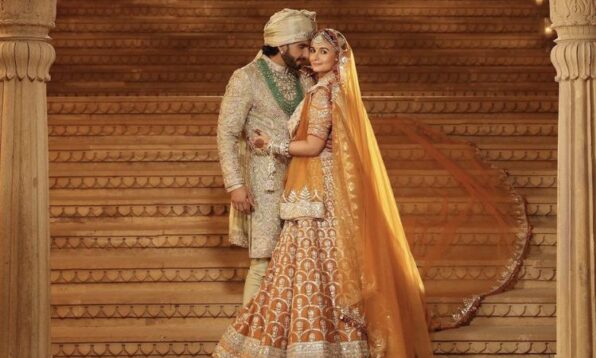
If you’re under 5’2 and worried about looking short on your wedding day, I’m sure your Instagram algo has thrown multiple posts your way titled ‘How to look tall in bridal lehenga’. But all of them come with classic advice like “just wear higher heels”, “avoid heavy lehengas”, or “stick to vertical patterns”. These tips sound helpful on the surface, but rarely explain why they work or how to actually apply them when you’re standing in a bridal store, overwhelmed with options. Not just what lehenga you pick, but also how you style it, plays a role in creating a more elongated silhouette. And once you understand these nuances, creating a taller silhouette becomes easier. So, here’s how to choose your bridal lehenga and style it to look taller on your wedding day.
Choose the right silhouette
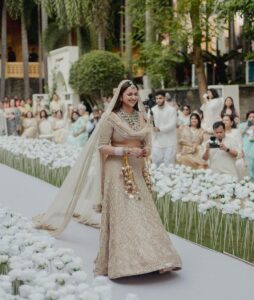
When you’re petite, the shape of your lehenga plays a crucial role. Extremely voluminous skirts, while dramatic, can overwhelm your frame and make you appear shorter by comparison. On the other hand, silhouettes that follow a cleaner, more controlled flare create a natural vertical flow.
A-line cuts tend to work beautifully because they elongate without adding unnecessary bulk. Even panelled lehengas can have a lengthening effect if the panels are designed to draw the eye downward rather than outward. The key is movement that flows vertically rather than expanding horizontally.
A higher waistline changes everything
One of the most effective yet underrated tricks is adjusting where your lehenga sits on your waist. When worn slightly above your natural waistline, it instantly creates the illusion of longer legs. This might seem subtle when you’re trying it on, but in photographs and in motion, it dramatically alters your proportions.
Your blouse defines your upper body balance
The blouse frames your upper body and determines how balanced your overall look feels. A shorter blouse helps extend the visual length of your lehenga, making your legs appear longer in contrast. Necklines also play a role here. Styles that open up the neckline slightly, such as deeper or more elongated cuts, create a sense of vertical space. On the other hand, overly high or heavily embellished necklines can visually compress your upper body, which works against the goal of elongation.
Design direction is more powerful than you think
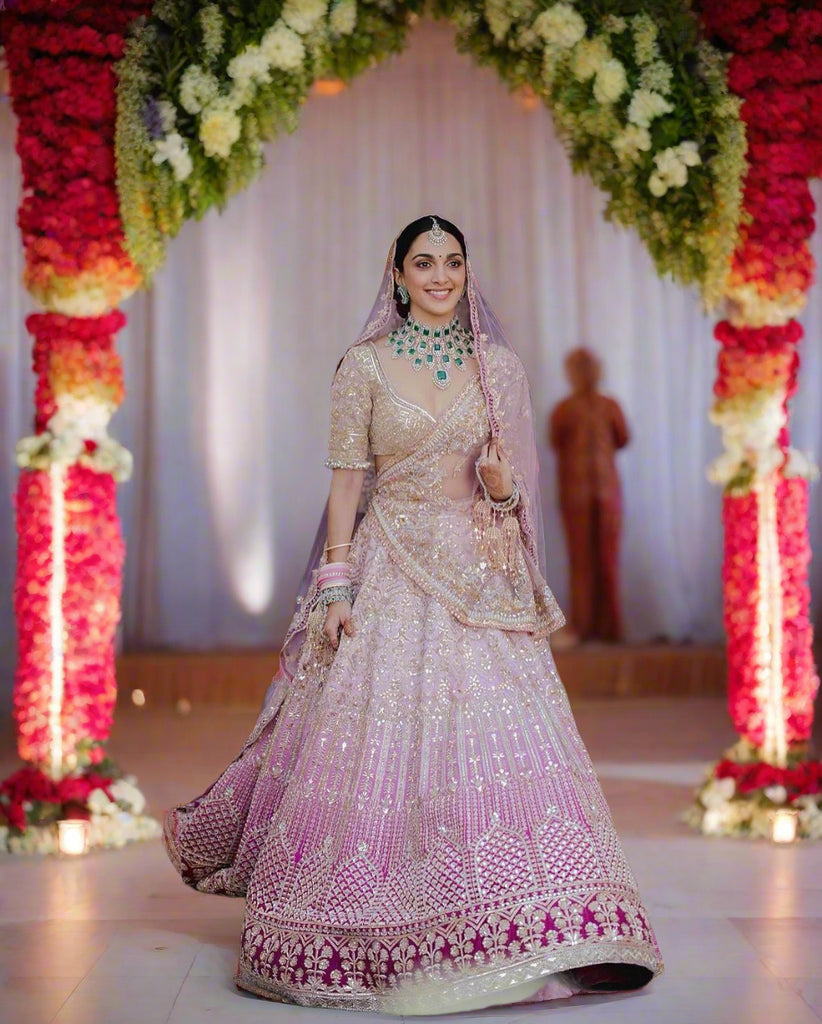
The way embroidery and motifs are placed can subtly guide the eye. When the design flows vertically or follows a downward direction, it naturally elongates your frame. Even diagonal patterns can create a similar effect by leading the gaze across the length of the outfit. In contrast, strong horizontal elements, especially near the hem, can interrupt that flow. They act like visual stopping points, which can make you appear shorter than you actually are.
Fabric choice influences how tall you appear
Fabric directly affects how your lehenga falls on your body. Lighter, fluid fabrics tend to drape closer to your frame, creating a longer and more streamlined silhouette. Heavier or stiffer fabrics, while luxurious, can add volume in ways that make your frame look more compact. That doesn’t mean you have to avoid them entirely, but they need to be tailored with extra care to prevent unnecessary bulk.
Colour can either break or extend your frame
Colour placement is one of the most overlooked aspects of bridal styling. When your outfit flows in a single colour family, it creates a continuous visual line that naturally elongates your body. Sharp contrasts between the blouse and the lehenga can divide your frame into sections, which may make you appear shorter. Softer transitions or monochromatic looks tend to work more in your favour, especially if you’re aiming for a taller appearance.
Dupatta draping is a game-changer
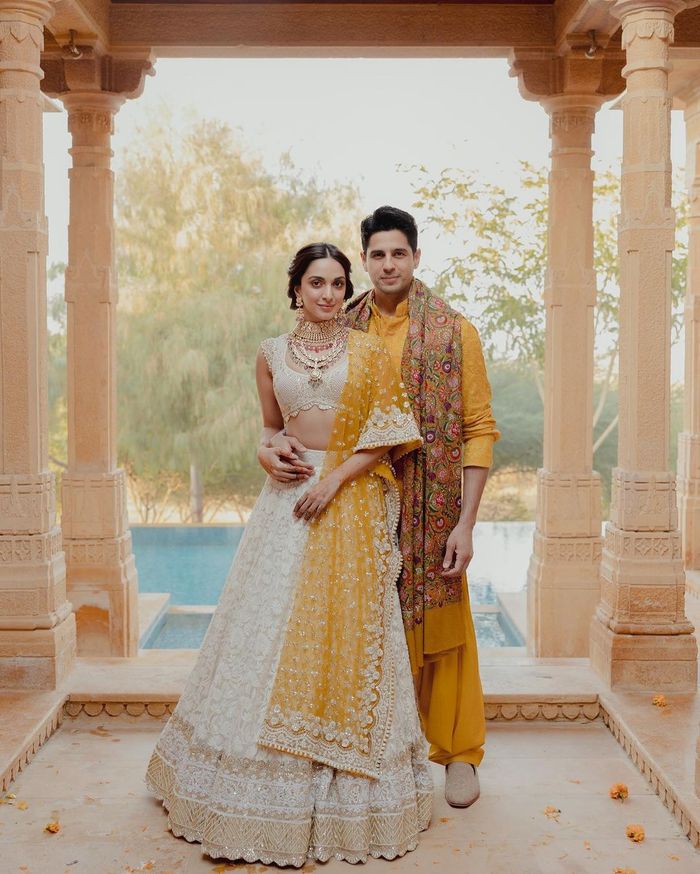
The way you drape your dupatta can completely alter how your outfit looks. A vertically draped dupatta over one shoulder creates a long, clean line that enhances height. Even a diagonal drape can add movement and direction to your overall look. On the other hand, heavily pleated or bulky drapes across the torso can shorten your frame by adding visual weight in the wrong places. Keeping at least one dupatta light and fluid helps maintain balance.
A longer lehenga isn’t better
Even the most perfectly designed lehenga won’t work if the fit isn’t right. The length should be adjusted according to your wedding footwear so that it just grazes the floor without bunching up. Excess fabric at the hem can visually shorten you and disrupt the clean line you’re trying to achieve.
Featured Image Source
More from All About Eve
Move Over, Floral Jewellery. Here’s What Brides Are Choosing For Their Haldi Ceremony In 2026
Quirky Mangalsutra Designs For Modern Brides: Bookmark These Indian Brands
How To Choose The Right Kaleeras: 7 Mistakes Brides Must Avoid
7 Bright, Bougie Bollywood Looks That Prove The Pantone Colour Of The Year Never Stood A Chance!
Homegrown Brands For Chic, Festive Eyewear That Will Elevate Your Fashion Game
- Share:
-

-

-