Web Stories
Sunburnt Even After Sunscreen? You Might Be Using The Wrong One For Your Skin Type


Sunscreen is no longer optional in our skincare routine. It doesn’t matter if you’re stepping out for five minutes or sitting all day indoors, you have to apply sunscreen to protect your skin. In 2025, we even learnt the two-finger application rule and bought sunscreens not just for the face but for the lips and body too. But in 2026, applying sunscreen is not enough, and choosing the right one for your skin type is more important. Because you can follow every rule, get the quantity right, reapply on time, and the sunscreen still won’t work the way it should if it doesn’t suit your skin. But don’t fret. Sun damage won’t stand a chance this summer if you follow this guide to know which sunscreen to use based on your skin type.
Related: 7 Tinted Sunscreens That Nail The No-Makeup Look
What to know about SPF and PA ratings
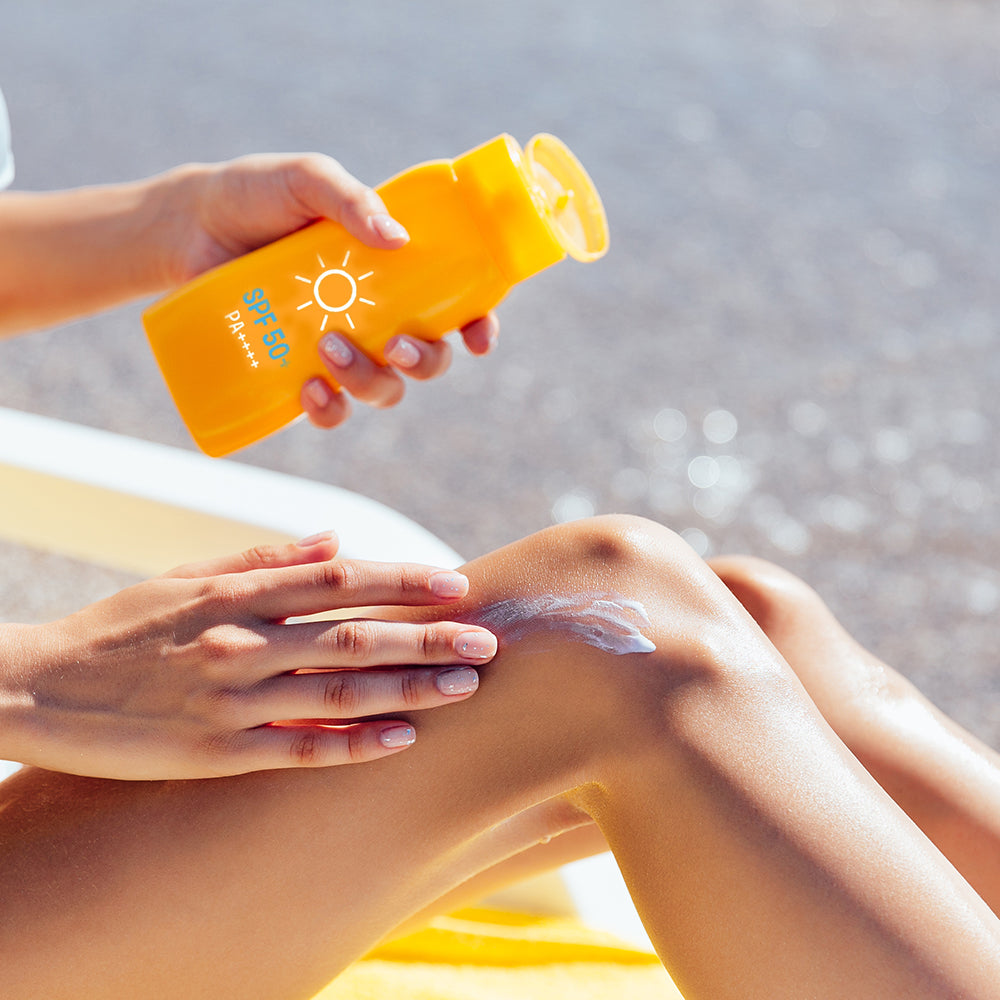
Do you still wonder why sunscreens have different SPFs and PA ratings? Sun Protection Factor (SPF) tells you how well your sunscreen protects against UVB rays, the ones that cause sunburn. SPF 15 blocks about 93 per cent of UVB, SPF 30 about 97 per cent, and SPF 50 about 98 per cent. So, any sunscreen with SPF 30 and above works for daily use.
Then comes the PA, or Protection Grade of UVA rating, which measures protection against UVA rays that cause tanning and ageing. The more PA ratings, the better the protection, depending on how long you’re usually in the sun. Considering the Indian climate and summer heatwaves, look for PA+++ or PA++++ for solid everyday coverage. Once these are sorted, the real difference comes down to picking a formula that actually suits your skin type.
How to choose the right sunscreen for your skin type
There’s no one-size-fits-all sunscreen. What feels lightweight and perfect on someone else might feel greasy, heavy, or irritating on you. First, figure out whether you have oily, dry, combination, or sensitive skin. Here’s how to figure out your skin type:
- You have oily skin if you have a shiny T-zone and frequent breakouts.
- If your skin feels dry, tight, and flaky, especially after washing your face, you have dry skin.
- Oily T-zones and dry cheeks? You have combination skin.
- Does your skin feel itchy, irritated, stinging, and red, especially around the chin, cheeks, and undereye area? You have sensitive skin.
1. For oily skin

If you have oily skin, you already know how high-maintenance it can be, even on a regular day. When it comes to summer, it’s more difficult to manage as you can’t skip the sunscreen but applying it only makes your skin more greasy. But that’s because you’re not choosing the right sunscreen for your skin type. What oily skin really needs is something that protects without turning your face into an oil slick. You need gel-based or water-based sunscreens that feel light and absorb quickly. These won’t sit heavily on your skin or add to the greasiness. When shopping for a sunscreen for oily skin, look for labels that say matte finish, oil-free, or non-comedogenic.
Choose sunscreens with SPF 30-50+ and ingredients like niacinamide that help control sebum, the sticky substance responsible for oil production. Avoid thick, creamy, or overly moisturising formulas to prevent pore congestion and greasiness.
2. For sensitive, acne-prone skin

Do you have sensitive skin that easily reacts to everything, breaks out at the worst times, and becomes too itchy or red? You need a sunscreen that is super easy on your skin, so it can protect you from the sun without leading to skin conditions. That’s why mineral sunscreens are your summer besties. Start with fragrance-free, hypoallergenic, and non-comedogenic formulas. The fewer unnecessary ingredients in your sunscreen, the better for your sensitive skin. Check for cooling and hydrating ingredients like ceramides, aloe vera, hyaluronic acid, green tea, and zinc oxide.
Fluid sunscreens with SPF 30-45 work best for sensitive or acne-prone skin. Just make sure it’s a non-white cast sunscreen so it doesn’t clog your pores and cause acne. Use blotting paper occasionally to absorb any excess oil or grease and to keep your skin fresh and dust-free.
3. For dry skin

Dry skin is always considered a winter problem. But for some people, it’s the same in summer too. So, even when you apply sunscreen, you suddenly notice flaky skin around your mouth, forehead, and eyes instead of a healthy glow. That’s because many sunscreens for dry skin focus solely on oil control. You need a formula that hydrates your skin from within while simultaneously protecting it from sun damage.
Creamy, lotion-based sunscreens are the right choice for your skin type. And if you see creamy sunscreens infused with hyaluronic acid, glycerin, or ceramides, add them to your cart right away. Such formulas lock in moisture that your dry, flaky skin demands the most. Choose a sunscreen with SPF 30 if you don’t step out much during the day. Use SPF 50 when you’re facing extreme heat. A sunscreen with a slightly dewy or natural finish will smooth things out, while matte formulas can make dryness more visible.
4. For combination skin

Combination skin involves some negotiation with sunscreens. Your T-zone gets oily, your cheeks need more hydration, and somehow one product is expected to fix both. So, pick a lightweight, non-comedogenic gel-cream or water-based sunscreen with SPF 50. This will help control oil around your forehead and nose while preventing dry patches on your cheeks and around your mouth. Sunscreen products with green tea extracts, silica, hyaluronic acid, and Vitamin C are perfect for people with combination skin. But there’s a small hack for applying sunscreen the right way based on your skin type.
Since you have oily T-zones, apply only a small amount of product there. For drier areas, first hydrate with a thin layer of a gel-based moisturiser, then apply sunscreen. This way, the sunscreen will perfectly shield your combination skin from sunburn.
Featured Image Source
Related: 7 Lip Sunscreens For Dry, Chapped Lips
FAQs
Q1. Can we skip moisturiser if our sunscreen is hydrating enough?
If your sunscreen feels moisturising, you can skip it, especially if you have oily or combination skin. Dry skin types might still benefit from layering both sunscreen and moisturiser.
Q2. How long should we wait between applying skincare and sunscreen?
Give your skincare about 1-2 minutes to settle before applying sunscreen so it spreads evenly. Ideally, apply the sunscreen 15 minutes before stepping out.
Q3. Do we need a different sunscreen for indoors and outdoors?
No, but if you’re mostly indoors, a lightweight SPF 30 works. For prolonged sun exposure, opt for SPF 50 with higher PA protection.
Q4. Can we layer makeup over sunscreen without reducing its effectiveness?
Yes, as long as you let the sunscreen set first. The bigger concern is reapplication, which is where sunscreen powders or sprays can help without disturbing makeup. You can also use tinted, foundation-based sunscreens for a better effect.
Q5. Why does sunscreen pill or roll off our skin?
This usually happens when the sunscreen doesn’t layer well with your skincare or you’re applying too much too soon. Let each layer settle and use compatible textures to avoid the issue.
- Share:
-

-

-