Web Stories
Acupuncture For Painful Period Cramps And PCOS: What To Expect From The Therapy

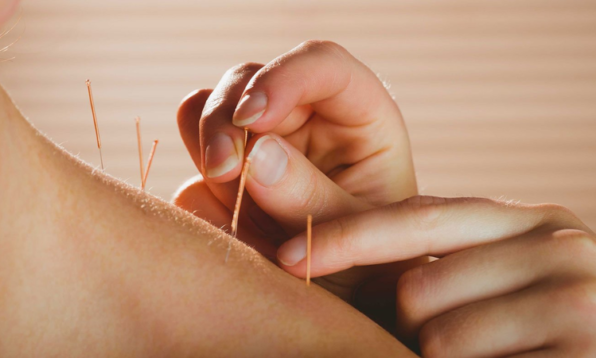
PCOS girlies, have you tried hot water bags, warm herbal teas, and several other remedies to ease painful periods just to struggle with them even more? It’s time to try acupuncture for period pain and PCOS symptoms. Acupuncture is a form of Traditional Chinese Medicine (TCM) that involves inserting thin needles into specific parts of your body. But how will acupuncture therapy help you cope with period pain or PCOS? Does it cure it completely?
We asked acupuncturist and lifestyle coach Dr Aditi Garg about acupuncture for painful menstrual cramps and PCOS-related issues. Here’s what she suggests.
Acupuncture to relieve period pain
According to Dr Aditi, acupuncture influences both pain pathways and reproductive hormones. “For period pain, acupuncture works by calming the body’s pain signals,” Dr Aditi says. The procedure helps release natural pain-relieving chemicals and reduces the inflammation that triggers intense menstrual cramps. Besides relieving period pain, does acupuncture also regulate menstrual cycles? Yes. “It smooths out the coordination between the brain and the female reproductive system,” Dr Aditi says. This way, it restores hormonal balance and leads to regular periods. “Overall, it reduces cramp intensity and supports more predictable cycles, especially in conditions with ovulatory dysfunction,” Dr Aditi explains. While acupuncture helps in easing severe period cramps, does it also help with PCOS symptoms?
Acupuncture for PCOS symptoms and related issues

Anyone living with PCOS knows it’s not just about irregular menstrual cycles, but mood swings, constant fatigue, stubborn weight changes, and more. Have you also tried working out or eating healthy meals to manage PCOS? While lifestyle changes help in dealing with PCOS, acupuncture accelerates the benefits. A clinical study proves that acupuncture is more effective than physical exercise for women with PCOS. “Multiple trials of acupuncture show improved ovulation rates and menstrual regularity, especially when done regularly over weeks,” Dr Aditi says. One of the main symptoms of PCOS is hyperandrogenism, which leads to excessive levels of male sex hormones in a female body. The study also reported a modest reduction in testosterone in women living with PCOS.
“For PCOS symptoms like slow metabolism and diabetes, the benefits of acupuncture are usually modest and strongest when combined with metformin or lifestyle therapy,” Dr Aditi says. Does acupuncture help in reducing the size of ovarian cysts? “Acupuncture does not shrink cysts; it improves the function of ovaries,” Dr Aditi explains. “You must view acupuncture as an adjunct therapy that can improve ovulation and hormonal balance, not as a cure for structural PCOS changes.”
About acupuncture therapy sessions
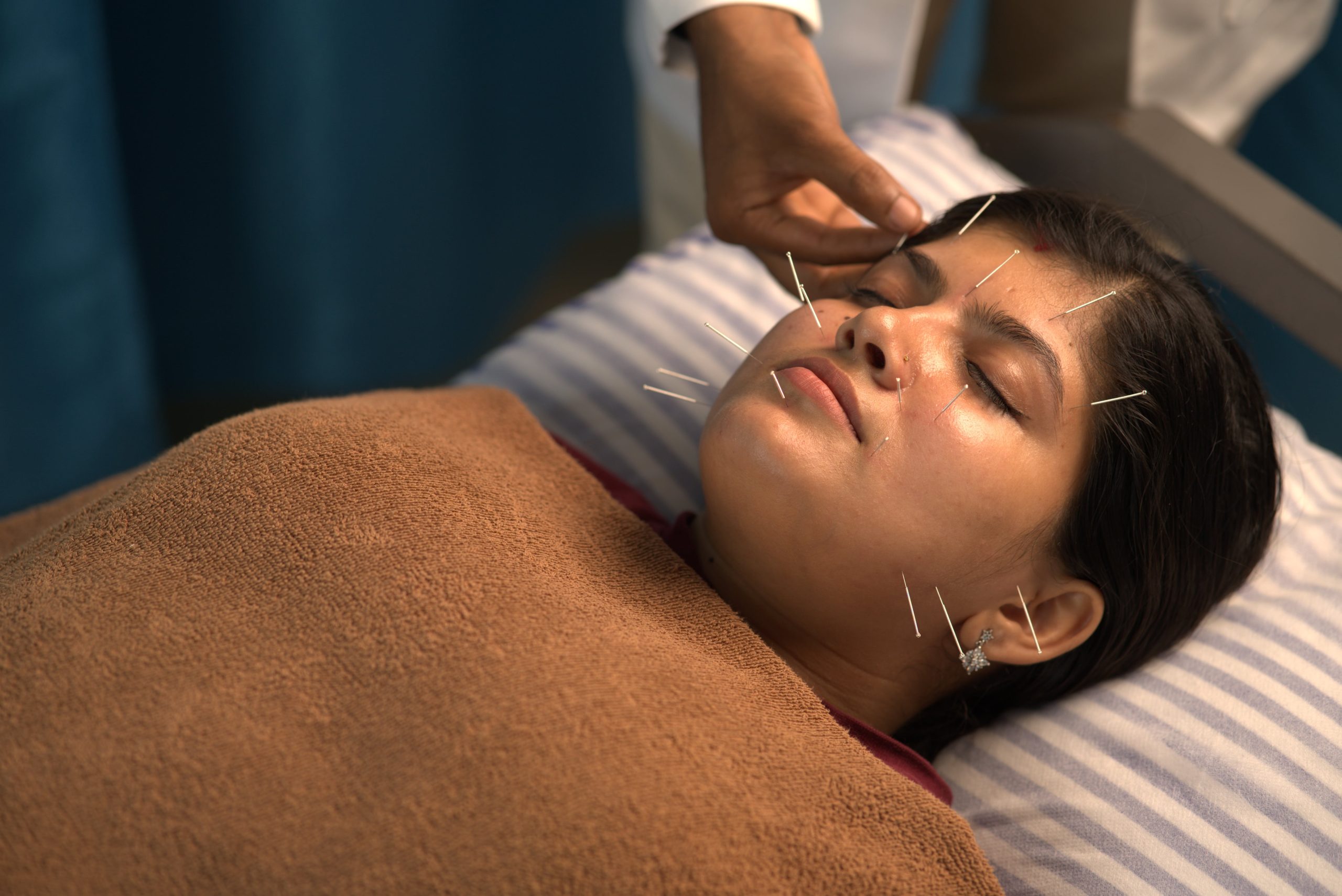
Are you thinking of booking an acupuncture therapy session but don’t know what to expect? For acupuncture for period pain and PCOS symptoms, Dr Aditi says that the session includes a brief assessment of the body at first. Then, the acupuncturist places fine sterile needles on the lower abdomen, lower legs and lumbosacral region (lower back). Do these needles hurt? Not really. Sensation is usually mild. “A quick prick, followed by a dull, heavy, warm, or tingling feeling known as de qi, not sharp pain,” Dr Aditi explains. And how long do the needles stay on your body? “Needles stay in place for 20-30 minutes,” Dr Aditi says. She also shares that some protocols use gentle electrical stimulation called electroacupuncture.
The number of sessions depends on the issue you’re facing. For dysmenorrhea or painful periods, Dr Aditi suggests doing six to 12 sessions over one to three cycles. If you’re taking acupuncture therapy for PCOS, you can try one or two sessions per week for six to 12 weeks, which often comes to 10–20 sessions for better ovulation changes. “Though cumulative dose matters, most people begin to notice improvements in four to six sessions,” Dr Aditi says. Is there any time during the menstrual cycle when acupuncture works the best for women with PCOS?
According to Dr Aditi, there’s no such thing as a ‘perfect’ day to take acupuncture therapy. For women living with PCOS, she suggests taking regular sessions over weeks to months. This course-based, cumulative approach improves ovulation and hormonal balance. “Protocols often use one to three sessions per week across the entire cycle,” Dr Aditi says. She shares that a longer duration and adequate total dose of the medicine are more important than pinpointing a specific day.
Risks and side effects of acupuncture therapy

Several studies support that acupuncture helps in relieving painful period cramps, regulating menstrual cycles, and even dealing with PCOS symptoms. But is the therapy completely safe for every woman with menstrual issues? Or should you be concerned about any risk before booking an appointment? “Acupuncture is generally very safe when performed by trained practitioners,” Dr Aditi says. But there are some common, mild effects of acupuncture therapy, including minor bruises, temporary soreness, lightheadedness, and fatigue. But extremely rare serious complications occur only if the acupuncturist uses poor technique.
Dr Aditi also suggests either avoiding or taking precautions while considering acupuncture therapy if:
- You’re a pregnant woman. Specific points on your body, including SP6 and LI4, are contraindicated.
- You’re on medications that affect blood clotting, or you have bleeding disorders.
- You have low immunity or have active infections.
- You have uncontrolled epilepsy.
- You have limbs at risk for lymphedema (swelling of limbs).
If you want to connect with acupuncturist and lifestyle coach Dr Aditi Garg for more personalised acupuncture, TCM-related advice, you can find her here.
Featured Image Source
More stories from All About Eve
Is Your Daily Coffee Habit Affecting Your Fertility? A Fertility Coach Reveals The Truth
Are You Mistaking Perimenopause For A Painful Period?
7 Products To Soothe Sanitary Pad Rashes
PCOS Lowers Your Attention Span And Cognitive Function, Study Proves
Lean PCOS: Symptoms, Treatment, And Everything Else You Need To Know
- Share:
-

-

-