Web Stories
Is Balding In Men Really Inherited From Their Mother’s Side? The Answer Might Surprise You

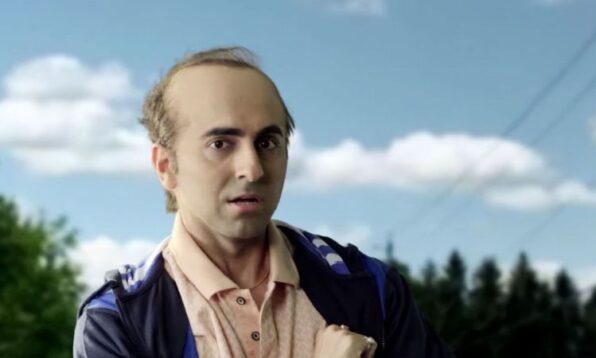
For years, men have repeated the same piece of advice when discussing hair loss: “Look at your mother’s father. If he was bald, you’ll probably go bald too.” It is one of the most common beliefs surrounding male pattern baldness, but is there actually any truth behind it? The short answer is yes, but only partly. The idea that baldness is inherited from your mother has some scientific basis, yet it does not tell the whole story. Genes are far more complicated than a single family connection, and understanding the real causes of hereditary hair loss can help clear up a lot of confusion.
Related: Tired Of Finding Your Hair Everywhere? Try These Effective Hair Growth Roll-On Serums
Is baldness inherited from your mother?

The belief stems from a gene linked to androgenetic alopecia, the medical term for male pattern baldness. One important gene associated with hair loss is found on the X chromosome. Men inherit their X chromosome from their mother, which means this particular genetic factor comes from the maternal side of the family. Because of this discovery, many people assumed that a man’s chances of going bald were determined entirely by his mother’s genes. While that sounds straightforward, scientists have since found that the situation is much more complex.
Genetics is not that simple
Although the X chromosome plays a role in hair thinning and male pattern hair loss, it is only one piece of a much larger genetic puzzle. Researchers have identified hundreds of genetic variations that may contribute to baldness, many of which can be inherited from either parent. This means your father’s side of the family is just as important when assessing your likelihood of hair loss. If baldness runs strongly through your father’s family, those genetic traits can still influence your own hair growth patterns. In reality, genetic hair loss is considered a polygenic trait. This means multiple genes work together to determine whether someone develops thinning hair, a receding hairline, or significant baldness later in life.
Why some men go bald earlier than others
If genetics were the only factor involved, predicting baldness would be much easier. But that’s not the case. Hormones play a major role in this process. Specifically, a hormone called dihydrotestosterone, commonly known as DHT, affects hair follicles in people who are genetically sensitive to it. Over time, DHT can cause follicles to shrink, leading to thinner and shorter hair until growth eventually stops altogether. This explains why two brothers with similar genetics may experience very different patterns of hair thinning. One might notice a receding hairline in his twenties, while the other retains a full head of hair well into middle age.
What about women?
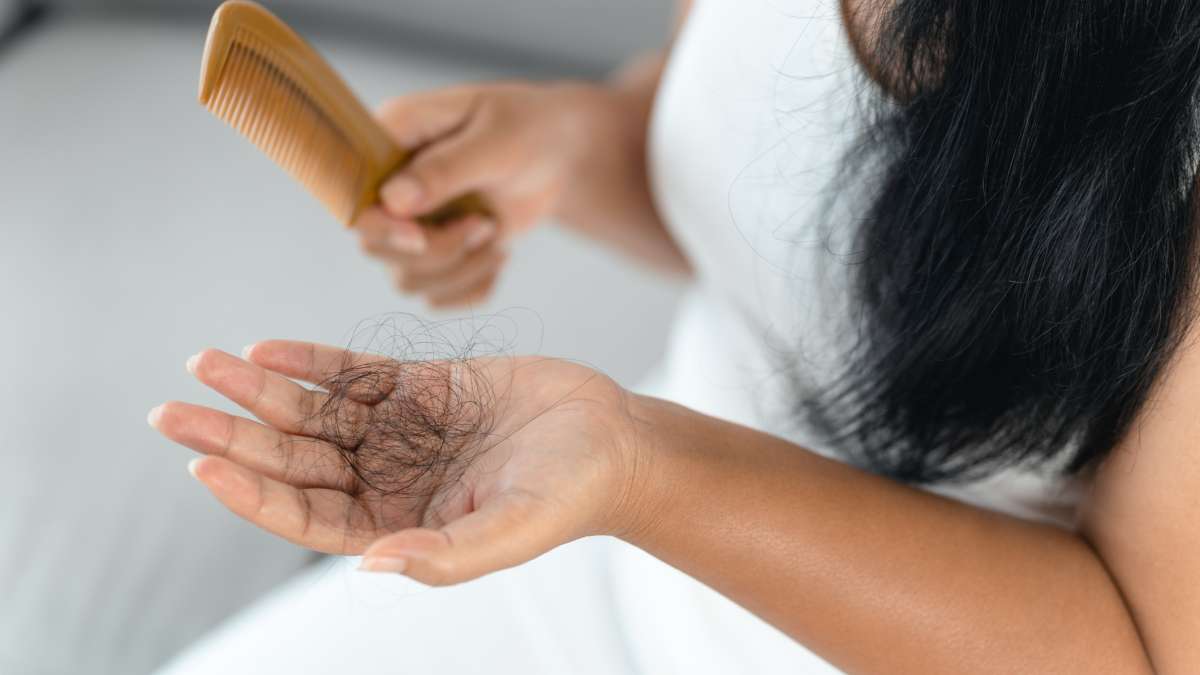
Although discussions about hereditary baldness often focus on men, women can also inherit genes linked to hair loss. Female pattern hair loss is usually less severe and tends to appear as overall thinning rather than distinct bald patches. Just as with men, women can inherit relevant genetic traits from both sides of the family. Therefore, looking only at maternal relatives does not provide a complete picture of future hair health.
Can you predict whether you will go bald?
Unfortunately, there is no foolproof way to predict exactly who will develop male pattern baldness and who will not. Examining family history can offer clues, but it cannot provide certainty. If multiple relatives from both your mother’s and father’s families have experienced significant hair loss, your chances may be higher. However, genetics can be unpredictable, and some people with a strong family history maintain healthy hair throughout their lives. Modern genetic testing can identify certain risk factors, but even these tests cannot guarantee whether baldness will occur or how severe it may become.
What can you do if you notice hair loss?
The good news is that early action often provides the best results. If you start noticing increased shedding, thinning around the crown, or a receding hairline, it may be worth consulting a healthcare professional or hair restoration specialist. Several treatments are available that can help slow the progression of male pattern hair loss. The effectiveness of these options varies from person to person, but addressing the issue early generally improves outcomes.
Maintaining a healthy lifestyle, managing stress, and ensuring good nutrition can also support overall hair health, although these measures cannot completely prevent genetic baldness. Baldness is influenced by a combination of genetics, hormones, and individual biological factors, making it far more complex than a simple inheritance pattern. The next time someone tells you to blame your mother’s side for your thinning hair, you can confidently explain that the real story is much more interesting.
Featured Image Source
Related: Your Summer Routine Is Damaging Your Hair. Here’s How To Protect It From The Sun
FAQs
Q1. At what age does genetic hair loss usually begin?
Genetic hair loss can start as early as the late teens or twenties, although some people may not notice thinning hair until their forties or fifties. The timing varies from person to person.
Q2. Does having a bald grandfather mean I will go bald?
Not necessarily. A bald grandfather may indicate a higher genetic risk, but baldness depends on a combination of genes, hormones, and individual biological factors rather than a single family member.
Q3. Can genetic baldness be treated?
While genetic baldness cannot be completely prevented, early treatment may help slow hair loss and maintain existing hair. Seeking professional advice at the first signs of thinning often provides the best results.
Q4. Does high cortisol lead to hair loss?
Yes, when the stress hormone in your body is elevated, it can force the hair follicles into a premature resting phase, impacting hair growth.
Q5. What vitamin am I lacking if my hair is falling out?
Hair loss is usually caused by a deficiency in Vitamin D, Vitamin B7 and B12, iron, and zinc.
- Share:
-

-

-