Web Stories
Do You Wake Up Exhausted? Your Sleep Position May Be The Culprit

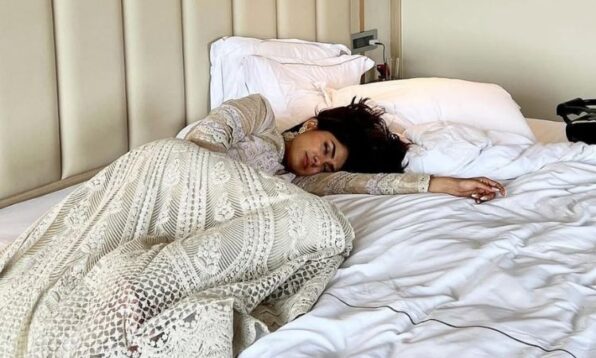
None of us gives much thought to how we’re lying in bed. We just turn on the AC, pull up the covering, and drift off. But the position you sleep in every night could be doing more to your body than you realise. From a stiff neck in the morning to chronic back pain that never goes away, the way you sleep matters more than most of us think.
Signs of bad sleeping position

Before we talk about solutions, it helps to know what to look out for. Here are some of the most common signs of a bad sleeping position that people tend to brush off or blame on other things:
- Waking up with a stiff neck or sore shoulders is a classic sign that your spine isn’t being properly supported while you sleep.
- Lower back pain is one of the most widespread complaints, and often made significantly worse by sleeping in the wrong position.
- Numbness or tingling in your arms or hands means you’ve been putting pressure on a nerve, often by sleeping on your side with your arm tucked underneath you.
- Acid reflux or heartburn at night means your sleeping position directly affects whether stomach acid creeps up into your oesophagus.
- Facial wrinkles, though not a health crisis, are worth a mention. Stomach sleepers pressing their face into the pillow night after night can speed up the appearance of fine lines.
- Headaches in the morning are frequently linked to neck tension caused by poor alignment during sleep.
If several of these sound familiar, your sleep position is likely part of the problem.
Which sleeping positions can cause health problems?
A consistently poor sleep position can contribute to real, ongoing health issues. Here’s a quick look at what the different positions can do:
Sleeping on your stomach

This is widely considered the worst position for most adults. When you sleep face down, your neck is twisted to one side for hours at a time, putting enormous strain on the cervical spine. Your lower back also tends to arch unnaturally, which can lead to persistent lumbar pain. If you’re a committed stomach sleeper, you may find this hard to hear, but it really is worth trying to change.
Sleeping on your back
Back sleeping is often praised, and for good reason, because it distributes your weight evenly and keeps your spine in a neutral position. However, it’s not perfect for everyone. People who snore or have sleep apnoea tend to find their symptoms are worse on their back, as gravity causes the tongue and soft tissue to fall backwards and partially block the airway. If you have reflux, sleeping flat on your back without elevating your head can also make things worse.
Sleeping on your side
Side sleeping is generally considered the most beneficial position for the majority of adults. It keeps the spine elongated, reduces snoring, and is particularly recommended during pregnancy. That said, it’s not without its quirks as sleeping on the same side every night can cause shoulder stiffness, and if you curl up too tightly in the foetal position, you may end up with neck and back tension regardless.
Best sleeping position for adults
So, what’s the best sleeping position for adults?
Side sleeping (left or right) is the best
Side sleeping with a pillow between your knees to keep your hips aligned is the best for most people. If you tend to get shoulder pain, switch sides occasionally and ensure your pillow isn’t too high or too flat. Your head should sit level with your spine.
For back pain sufferers, sleeping on your back with a pillow under the knees
Lying on your back with a pillow placed under your knees reduces the curve in your lower spine and can ease lumbar discomfort considerably. The key is a supportive but not overly thick pillow for your head.
For snorers or those with sleep apnoea, left side sleeping helps
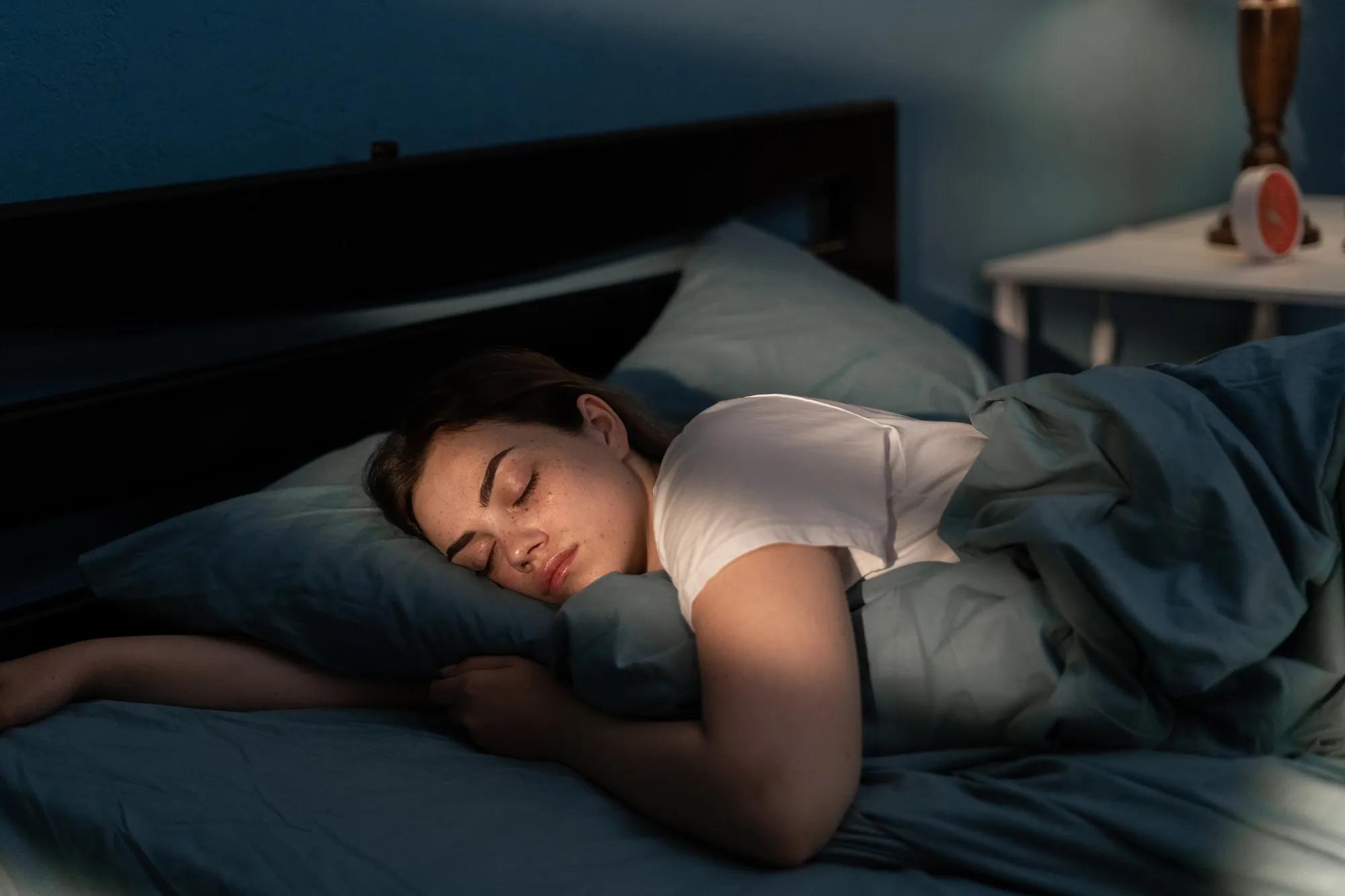
Sleeping on your left side is often recommended by sleep specialists, as it helps keep the airway open and reduces the likelihood of snoring. It also happens to be excellent for digestion and is the go-to recommendation for pregnant women, as it improves circulation to the baby.
For acid reflux, elevated back or left side sleeping works
Gravity is your friend here. Either elevating the head of your bed slightly or sleeping on your left side can help keep stomach acid where it belongs.
Featured Image Source
Related: I Thought Sleeping In On Weekends Was Self-Care Until I Realised It Was Making Me Feel Worse
FAQs
Q1. Can sleeping position affect your mood or mental health?
Indirectly, yes. Poor sleep quality is closely linked to irritability, low mood, difficulty concentrating, and heightened anxiety. When your body is uncomfortable during sleep, you miss out on the deeper, restorative sleep that supports emotional regulation and cognitive function the next day.
Q2. How does sleeping position relate to sleep apnoea?
Sleep position is one of the key factors in positional obstructive sleep apnoea, a form of the condition where breathing difficulties are significantly worse when lying on the back. For some people, simply switching to side sleeping reduces apnoea episodes.
Q3. Does the type of mattress affect sleeping position?
Very much so. A mattress that doesn’t suit your sleep position can amplify all the problems a poor position creates or even cause them in the first place. Side sleepers generally need a softer mattress that allows the hips and shoulders to sink in slightly to keep the spine aligned. Back sleepers tend to do better with a medium-firm surface.
Q4. Should you sleep differently if you exercise regularly?
It’s worth thinking about, yes. If you train regularly, your muscles are undergoing repair during sleep, and your sleeping position affects blood flow and pressure on recovering muscles and joints. Side sleeping with good hip and shoulder support is generally beneficial for active people. If you’ve worked your upper body heavily, for instance, sleeping on the affected shoulder can slow recovery and cause unnecessary soreness the following morning.
- Share:
-

-

-