Web Stories
Menstrual Leave Policy In India: Why The Supreme Court Has Rejected The Menstrual Leave Plea For The Third Time


The idea of menstrual leave often sounds straightforward: if many women experience discomfort, pain or fatigue during their menstrual cycle, why shouldn’t workplaces recognise that and allow time off? It appears, at first glance, to be a simple measure of empathy and fairness. Yet the recent discussion before the Supreme Court of India shows that the issue is far more complex. While acknowledging the importance of menstrual health, the Court raised an interesting concern that making menstrual leave mandatory could actually create new challenges for women in the workplace. Rather than settling the matter directly, the Court chose to highlight the delicate balance between supporting women’s health needs and ensuring equal opportunities in professional spaces.
Menstrual leave in India: How the issue reached the top court
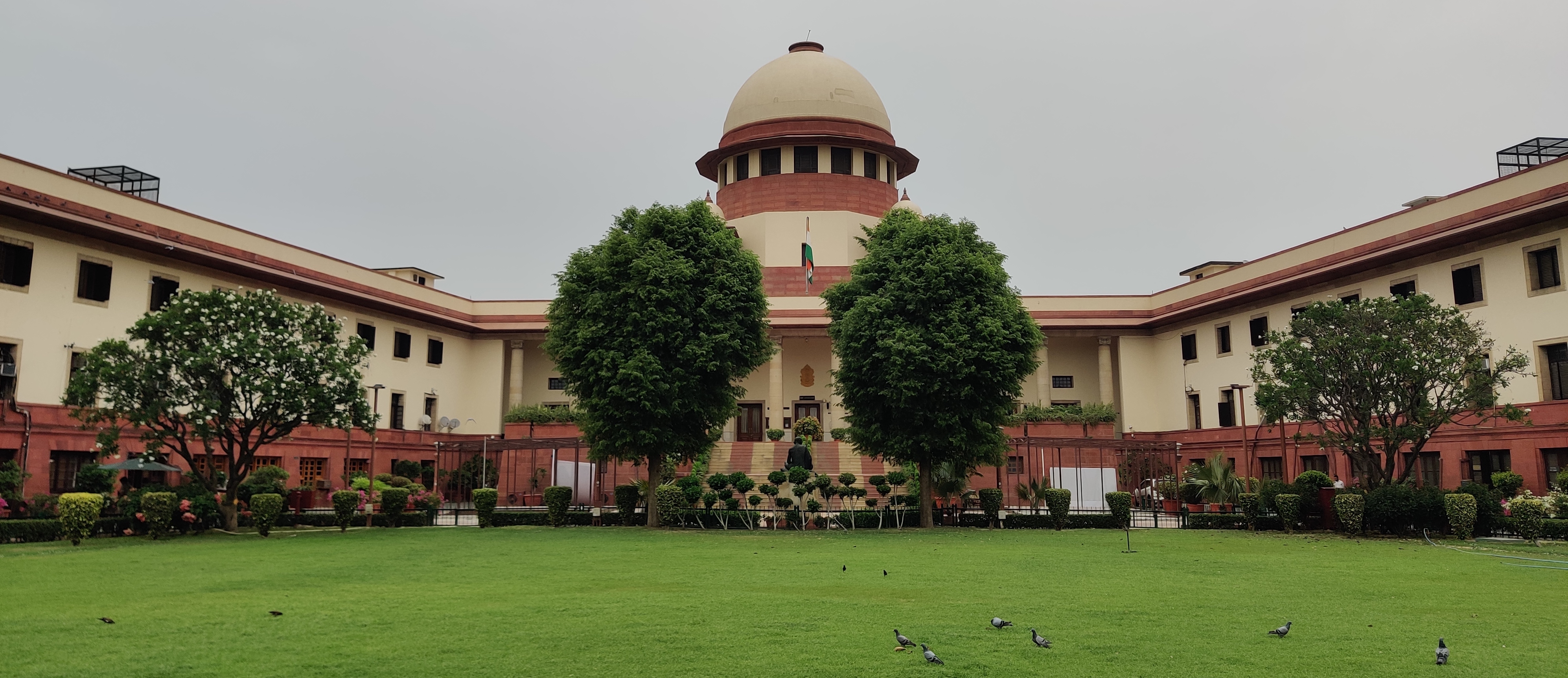
The discussion began with a petition that asked the Court to direct the government to introduce a nationwide policy granting paid menstrual leave to women. The petitioner argued that menstruation brings with it a lot of discomfort for women, and recognising this through workplace policy would make offices and educational institutions more humane and inclusive. This was the third plea filed by the petitioner, Shailendra Mani Tripathi. He previously filed a plea back in 2023. After the plea was disposed of, he filed another plea in 2024, which was disposed of the same year, asking the Union Government to examine the matter and take a decision. The petitioner also reached out to the Union Ministry of Women and Children. However, he said he didn’t receive any representation from them.
The Supreme Court raised some important concerns
What made the hearing thought-provoking was the Court’s concern about how mandatory menstrual leave might reshape employer attitudes towards hiring female employees. The judges noted that if such leave became a legal requirement, some employers might begin to see women as less reliable or more costly to hire. In other words, a policy intended to support women could unintentionally reinforce old biases. Employers might hesitate before hiring women for certain positions, especially in roles that demand strict schedules or constant availability. Even subtle assumptions, such as expecting women to take regular leave every month, could influence decisions about promotions, responsibilities, or recruitment.
“You are creating a right of taking a leave in month, the entire private sector….” CJI Kant said. “This can be harmful to their growth…You do not know the kind of mindset created at the workplace,” he further added, as reported by LiveLaw.
The Court’s concern was not about dismissing menstrual health, but about ensuring that policies designed to help women do not end up limiting their opportunities.
In response, advocate MR Shamsad, the petitioner’s lawyer, referred to a recent case in which the Karnataka government implemented a menstrual leave policy. He also added that many private companies allow employees to take menstrual leave. However, CJI Surya Kant remained firm and said, “Voluntarily they are giving, then it is excellent. That is a very good thing. But the moment you introduce it as a compulsory condition in law, you do not know the damage it will do to the career of women”
A changing conversation around menstrual health

The fact that this issue is being debated at such a high level reflects a larger cultural shift. For many years, menstruation remained a topic that was rarely discussed openly in workplaces or public institutions. Today, conversations about menstrual health, hygiene and dignity are becoming more common. Some organisations and state-level institutions have already experimented with menstrual leave policies. These initiatives suggest that there is growing recognition that workplaces need to adapt to the realities of women’s health.
At the same time, the diversity of these approaches shows that there is no single model that works everywhere. The Supreme Court’s observations have made the conversation more nuanced. The question has now become how menstrual leave should be designed in a way that supports women without reinforcing stereotypes.
Featured Image Source
More from All About Eve
Women Must Suffer Longer To Be Taken Seriously By Doctors. This Endometriosis Study Proves It
Your City’s High AQI Could Be Making Your Periods More Painful. Here’s All You Need To Know
The Epstein Files: The World Is Not Angry Enough
- Share:
-

-

-