Web Stories
Lab-Grown Gold: Is This A Sham Or The Answer To Record-Breaking Gold Prices?


Gold isn’t just a metal in India. It is a currency, an investment, and an emotion that carries deep cultural and religious significance. From weddings to festivals and family heirlooms passed down through generations, gold holds a special place in our lives. When we buy gold, we always aim for the purest form. Lately, however, there has been growing buzz around lab-grown gold. The name sounds similar to lab-grown diamonds, making it seem like gold is now being manufactured in laboratories. But that is not the case. So, what exactly is lab-grown gold, and is it even real?
What is lab-grown gold?

In its truest scientific sense, lab-grown gold would mean gold that is created inside a laboratory through chemical or nuclear processes. While this sounds futuristic and exciting, it is not something that happens in practical, commercial terms.
Scientists can technically create gold through a process called nuclear transmutation. In this process, they alter the nucleus of another element to convert it into gold. This can involve either merging the nucleus of an element that appears before gold in the periodic table or removing a particle from an element that comes after gold. Although this is scientifically possible, it is extremely complex and expensive.
Gold is a highly stable element, which means it does not react easily. Because of this stability, changing another element into gold requires advanced equipment, significant energy, and very controlled conditions. Even then, only tiny amounts of gold can be produced. The cost of creating gold this way would be far higher than mining it from the earth. As a result, nuclear transmutation is not used to produce gold for jewellery or investment purposes.
If that is the case, why is everyone suddenly talking about lab-grown gold?
The answer lies in the name itself. The term lab-grown gold is often used loosely in the market. In most cases, it does not refer to newly created gold at all. Instead, it refers to recycled or refined gold.
Is lab-grown gold the same as recycled gold?
In everyday retail conversations, yes. When someone mentions lab-grown gold, they are usually referring to recycled or refined gold.
Recycled gold is gold that has been recovered from existing sources such as old jewellery, industrial components, and electronic items. This gold is melted down, purified, and processed again. Once purified, there is no chemical difference between recycled gold and newly mined gold. Gold does not lose its properties over time, so it can be reused repeatedly without affecting its purity or value.
On the other hand, refined gold simply means gold that has been purified to remove impurities. It does not necessarily mean that the gold was previously used. Refined gold can come from newly mined sources or from recycled materials. Once the gold is purified to the required standard, it is considered refined, regardless of where it originally came from.
Benefits of recycled gold
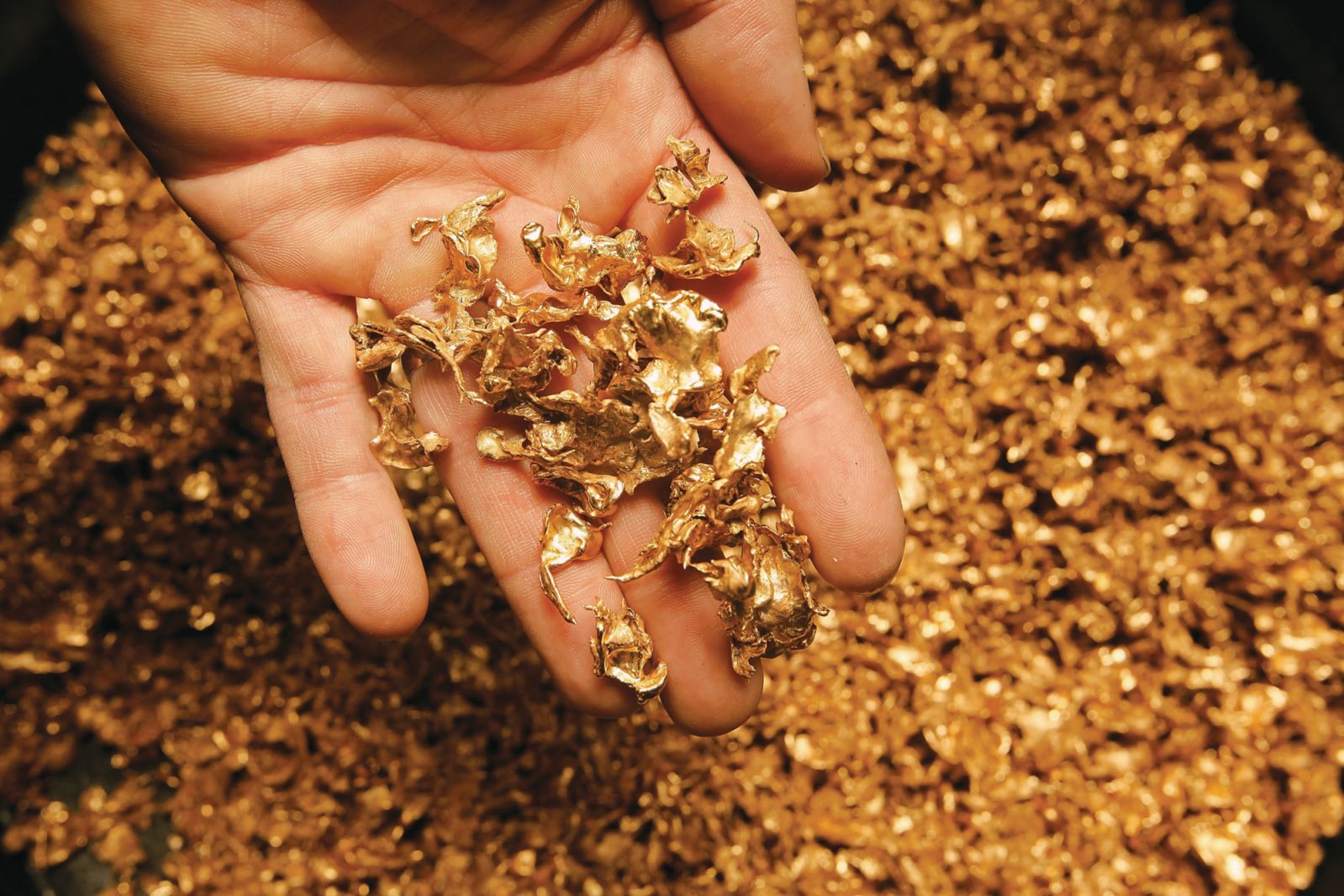
Although the term recycled gold may not sound as glamorous as lab-grown gold, it is far more common and carries meaningful advantages.
One of the biggest benefits is environmental responsibility. Gold mining is a resource-intensive process that requires significant manpower, money, and energy. It can also cause long-term environmental damage such as soil erosion, deforestation, and habitat loss. Recycling gold reduces the need for fresh mining and helps limit this impact.
Recycled gold also uses considerably less energy compared to extracting gold from ore. By repurposing existing gold, we reduce waste and make better use of available resources.
Importantly, recycled gold maintains the same purity levels as mined gold. There is no compromise in quality, durability, or value. It can be hallmarked, traded, and worn just like any other gold.
Should you invest in lab-grown gold?
It totally depends on your willingness. There’s no difference in value or purity in mined gold and recycled gold. All you have to keep in mind is the market price and the purity of gold to buy.
So, the next time a jeweller mentions that a necklace or bracelet is made of lab-grown gold, you can be confident that it is still real, pure gold. The only difference is that it has been responsibly sourced and refined rather than freshly mined.
Featured Image Source
Related: All You Need To Know Before Investing In Gold
FAQs
Q1. Does recycled gold look different from mined gold?
No. Once refined, it has the same colour, shine, and finish as mined gold.
Q2. Is recycled gold more sustainable?
Yes. It reduces the need for new mining and lowers environmental impact.
Q3. Can recycled gold be hallmarked?
Yes. It can receive the same purity certification as newly mined gold.
Q4. Is recycled gold suitable for investment?
Yes. Its investment value depends on purity and market rates, not its source.
Q5. Why do jewellers use the term lab-grown gold?
It is often used as a marketing term to describe recycled or refined gold in a more modern way.
- Share:
-

-

-