Web Stories
Indian Women And The Orgasm Gap: The Sita-Menaka Complex Is Ruining Your Sex Life, Ladies

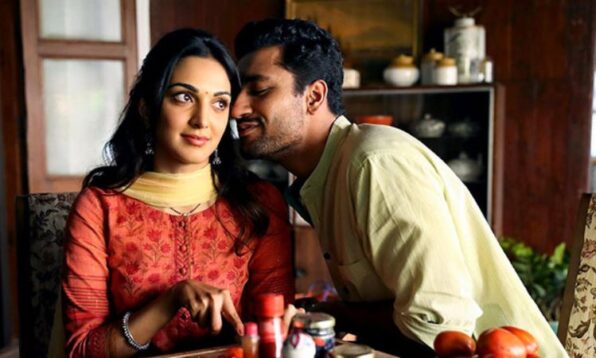
We talk often about the gender pay gap, glass ceilings, and representation inequalities, but there is another inequality that remains stubbornly overlooked: the orgasm gap. Orgasm gap is the consistent difference in how frequently people of different genders reach orgasm in heterosexual sex. Ladies already know what I’m talking about. An orgasm gap isn’t just a feeling or statement; it’s backed by decades of sexual research. But do you know this gap starts way before you enter the bedroom? It is not just about the body or touch, the orgasm gap in India is rooted in cultural scripts about gender, pleasure, and desire.
One widely cited study found that 91 per cent of heterosexual men reported orgasming during their last sexual encounter, compared with only 64 per cent of heterosexual women. Another revealing detail: the gap shrinks dramatically in same-sex relationships, particularly between women. This is a clue that anatomy is not the issue, but scripts are. And scripts, as it turns out, are something pop culture has been writing for a very long time.
The Sita-Menaka complex
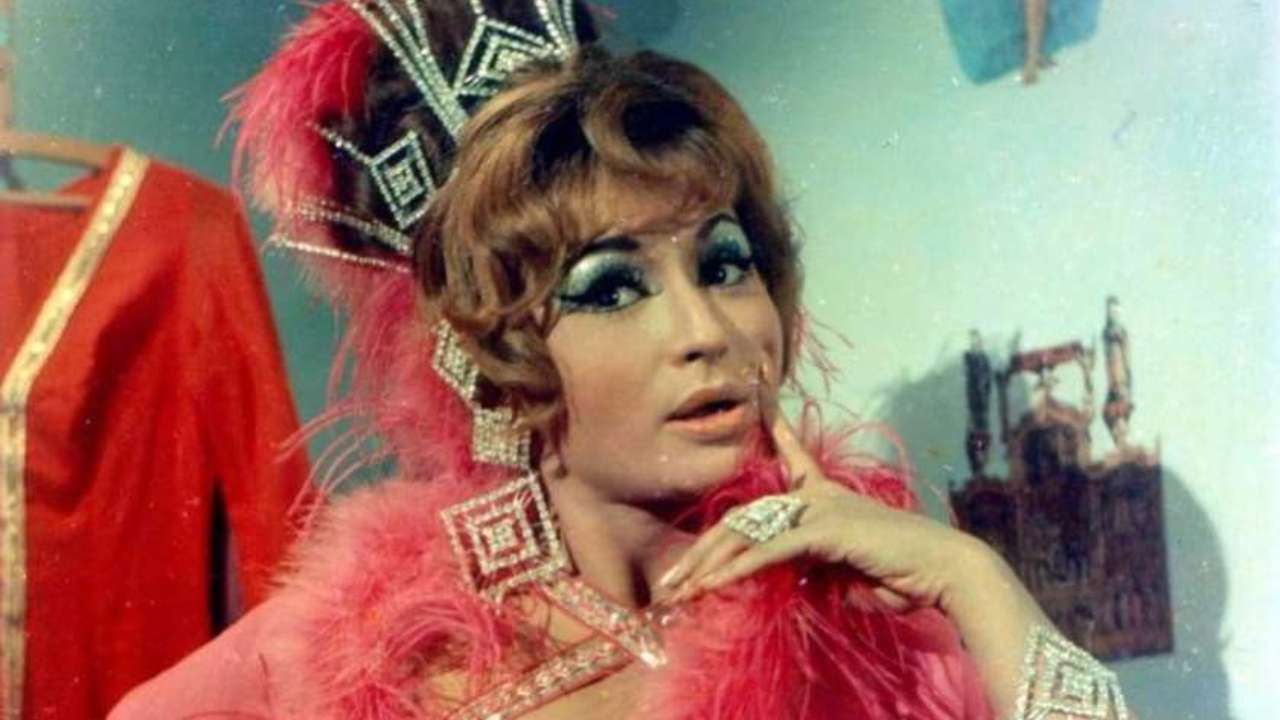
From mythology to modern cinema, Indian culture has long struggled with a woman who desires openly. She can be virtuous, or she can be sexual, but rarely both. This is the essence of the Madonna–Whore complex. First identified by Sigmund Freud, this complex creates a rigidity that limits women’s sexual expression, agency, and freedom by defining their sexuality into one of two categories. You’re either pure, virtuous, and nurturing — the Madonna, or you’re overly sexual, manipulating, and promiscuous — the Whore. It continues to shape how we think about women’s sexuality, desire, and entitlement to pleasure.
Indian cinema has long suffered from the Madonna-Whore complex or Sita-Menaka complex, where Sita represents the perfect mother, wife, daughter, and sister, whilst Menaka is the outsider who does not comply with social norms and is rejected at multiple levels. One such example of Menaka is Helen. Her iconic performances were unapologetically erotic and carefully kept outside the moral centre of the story.
With time Bollywood became more modern and turned the Sita-Menaka complex into the vamp vs heroine phenomenon. Vamps are characterised as women who showed disrespect for traditional values and “emulated” Western women by drinking, smoking, partying, visiting nightclubs, and being promiscuous (having more than one male partner in her lifetime). These women were often punished by the narrative, their sexuality marking them as immoral and unworthy of the hero’s lasting affection. The movie Aitraaz establishes this quite firmly. Sonia is rebellious, bold, and does what she wants, and ultimately, she is presented to us as morally corrupt.
The “good” woman, that Priya represents, is docile, obedient, sacrificing her identity and defined entirely by her relationships to fathers and husbands. She could be desired in the abstract, but her actual sexual agency remained carefully contained, if acknowledged at all.
Good women don’t want too much

Take Cocktail for example. On the surface, it appears progressive, but beneath the gloss, the moral architecture is unmistakably traditional. Veronica is expressive, sexual, and spontaneous. Meera is contained, emotionally careful, morally legible. The narrative may humanise both, but it ultimately reassures the audience that stability, legitimacy, and long-term love still belong to the woman who asks for less, both emotionally and sexually. Gautam sleeps with Veronica but when his mother arrives, and he needs to present a “respectable” girlfriend, he chooses Meera. The film’s arc essentially argues that the protagonist wandered the city, doing meaningless things like getting drunk and sleeping with women in mini skirts until he found a good girl resembling his mother, whom he wanted to marry.
The packaging has evolved, but the logic hasn’t. Today’s item numbers, “bold” characters, and liberated heroines are still frequently denied commitment or fulfilment unless they are softened, corrected, or domesticated by the end. All item number heroines suffer the fate of Helen’s characters. Sheila, Pinky, and others might seem like they own their sexuality. But the truth is, they are performing an act and they too are limited to being dancers seducing men. They are not the lead heroines.
But why does it matter?
Sex does not happen in a vacuum. People carry stories into bed about what is normal, what is allowed, and what is excessive. When wanting more is coded as being difficult, overtly sexual, or improper, silence becomes the norm. The orgasm gap in India survives not because women don’t know what they want, but because culture has taught them that wanting makes them immoral.
Until women are allowed to be whole — emotional and erotic, respected and desiring — equality will remain theoretical, even in the most intimate spaces.
Featured Image Source
Related: Dirty Talking Tips For Beginners: How To Use Your Mouth For Good
FAQs
Q1. Is the orgasm gap unique to India?
No. The orgasm gap exists globally, but cultural taboos around female desire can make it wider and harder to address in conservative societies.
Q2. Does marriage automatically reduce the orgasm gap?
Not necessarily. Without open communication and mutual prioritisation of pleasure, marriage often reproduces the same unequal sexual dynamics.
Q3. Are men responsible for the orgasm gap?
The gap is less about individual men and more about cultural conditioning that shapes expectations, education, and sexual behaviour for all genders.
Q4. Can better sex education help reduce the gap?
Yes. Comprehensive, pleasure-inclusive sex education improves awareness, communication, and sexual satisfaction across genders.
Q5. Why is female pleasure still considered a “private” issue?
Because women’s desire has historically been policed and depoliticised, keeping pleasure out of public discourse helps maintain existing power structures.
Q6. Is representation in media actually powerful enough to affect real relationships?
Yes. Media normalises behaviour, shapes expectations, and quietly teaches audiences what is acceptable, desirable, and negotiable in intimacy.
- Share:
-

-

-