Web Stories
Still Overthinking Everything You Eat In A Day? Here’s Why You Should Try Intuitive Eating


Health and fitness trends are evolving rapidly today, more than ever before. Eat your greens, include more protein, practise fibremaxxing, have a gut-friendly diet, eat clean, cut sugar, drink this, soak that, and lose your mind over whatever you eat in a day. Trends have changed our relationship with food. What used to be a feel-good experience has become a conscious, intentional one that makes many people feel guilty about everything they consume. If you’ve been feeling similar emotions lately, we need to talk about intuitive eating.
Related: Avoiding Carbs To Lose Weight? These Fat-Burning Carbs Will Actually Help You
What is intuitive eating?

Intuitive eating is, quite literally, what it sounds like, eating based on instinct rather than instructions. All you have to do is listen to your body’s internal cues for hunger, fullness, and satisfaction. So, you can eat when you’re hungry, stop when you’re full, and choose foods that actually satisfy you, both physically and mentally. In intuitive eating, rigid diet rules don’t influence what and how you eat. No calorie counts, no good-or-bad food lists, and no strict timelines. Developed by renowned dieticians Evelyn Tribole and Elyse Resch, intuitive eating is a non-diet, self care framework that improves your relationship with food, mind, and body. But this doesn’t mean you can eat whatever you want without thinking.
Intuitive eating is about rebuilding a sense of trust with your body that diet culture slowly chipped away at. It teaches you to stop outsourcing your food choices to apps, trends, or rules, and start listening to what your body is telling you, so eating feels less like a task you have to get right.
Principles of intuitive eating

While there are no rules of intuitive eating, the concept is built on 10 core principles that work as gentle reminders to help you reconnect with your body.
- Reject the diet mentality. You must let go of the idea that there’s a perfect diet out there that will fix your health.
- Honour your hunger. Eat when your body signals hunger. If you delay your hunger, you tend to overeat.
- Make peace with food. Allow yourself to eat all foods without guilt or restriction. Doing this will leave you feeling more satisfied rather than craving more later.
- Challenge the food police. Don’t label foods as good or bad. This way, you won’t feel guilty for not following a diet plan or get the urge to have junk food just because you had something healthy earlier.
- Feel your fullness. Pay attention to when you’re comfortably full and respect that signal.
- Discover the satisfaction factor. Focus on your food, how you eat it, and relish every bite. Go the kindergarten way and don’t scroll through reels or talk to people while eating. This way, you’ll know when you’re full and satisfied.
- Don’t use food to cope with your emotions. Find ways to manage emotions rather than resorting to stress-eating. Talk to someone, go for a walk, practise affirmations or find a better way to calm yourself in stressful situations.
- Respect your body. Accept your body as it is instead of constantly trying to change it. This will help you make better, logical food and health choices.
- Exercise to feel the difference. Don’t start walking 10K steps or working out rigorously to lose or gain weight. Exercise to feel good in your body and mind.
- Respect your health. Make delicious, nutrient-rich food choices so you can enjoy your meals guilt free.
Benefits of intuitive eating
Intuitive eating is not about picture-perfect smoothie bowls or hyper-controlled meal plans. Some days you might crave a wholesome, home-cooked meal. Other days, you might turn to comfort food, takeout, or a dessert in the middle of the week, without turning it into a cheat meal. One of the biggest shifts you’ll notice is how much quieter your mind feels around food. No more constant calculations or guilt spirals after eating something latest health trends don’t allow.
Intuitive eating also helps regulate hunger and fullness in a more natural way, which can reduce overeating or binge cycles over time. It leads to better digestion, more stable energy, and a good mood. The most underrated benefit? Food stops feeling like a moral decision and starts feeling like just food you can enjoy.
Does intuitive eating lead to weight gain?
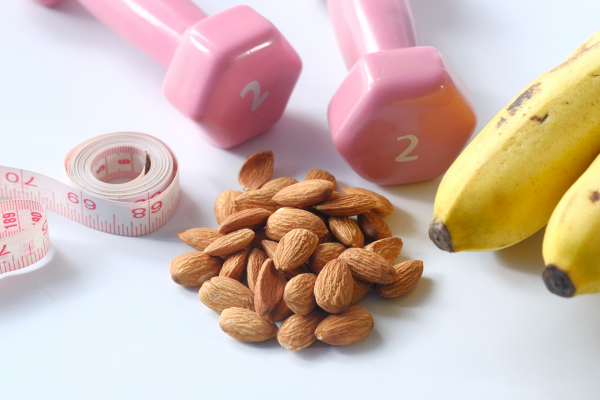
It can, but not in the way diet culture makes it sound. When you first start intuitive eating, especially after years of restriction, your body might need time to feel safe again. That can sometimes look like eating more than usual or gaining some weight, but it’s part of rebalancing, not losing control.
On the other hand, intuitive eating is not a free pass to eat junk food all day. When you truly allow yourself all foods, you stop feeling like you need to have it all now. When nothing is off-limits, junk food loses its special appeal. Since you’re choosing it freely rather than craving it out of restriction, it starts to feel like just another option, not something you need to have. Over time, as you consistently respond to your hunger and fullness cues, your body tends to settle into a weight that’s natural for you. You’re no longer stuck in cycles of restriction and overeating, which is often what causes more fluctuation in the first place. The focus shifts from controlling your weight to supporting your overall wellbeing.
Featured Image Source
Related: Do You Crave Sugar 24×7? Try These Herbs To Control The Urge
FAQs
Q1. How long does it take to get used to intuitive eating?
There’s no fixed timeline. It depends on your history with dieting, but it usually takes a few weeks to months to get used to intuitive eating.
Q2. What if we can’t tell when we’re hungry or full?
That’s normal, especially if you’ve only relied on diets before. These cues come back with practice as you start paying attention to your body.
Q3. Is intuitive eating suitable for people with busy lifestyles?
Yes. Intuitive eating is flexible and doesn’t require meal plans or prep, just awareness of your hunger, fullness, and food preferences.
Q4. Can intuitive eating help with stress or emotional eating?
Yes, but with time and patience. Intuitive eating helps you separate physical hunger from emotional needs and encourages healthier ways to cope with feelings.
Q5. Will we lose control of food if we stop restricting it?
It might feel that way at first, especially if certain foods were previously off-limits for you. But over time, as restriction fades, so does the urge to overeat, and your eating naturally becomes more balanced.
- Share:
-

-

-