Web Stories
I Tried The Viral Fibremaxxing Trend For A Month, And The Results Surprised Me!


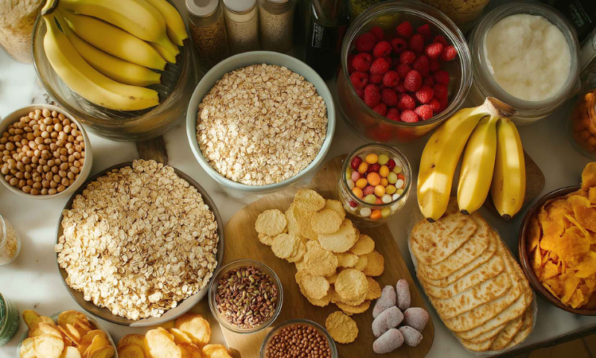
For the past year, the internet has been obsessed with protein. I have heard my friends talk about their protein intake more than their relationships or jobs. Somewhat unconvinced, I still made sure to include a fair share of protein in my diet. But I was secretly munching on something that our mothers have been trying to sneak into our plates since our childhood. Yes, it’s fibre, the healthy carbs! Then I came across 2026’s latest wellness trend called fibremaxxing, which involves increasing your daily fibre intake. I started including more of it in my daily diet through salads, fruits, nuts, and seeds. Within a month, I noticed my waistline shrinking by a couple of inches. That’s when I realised how fibremaxxing supports weight loss. The best part? You don’t have to starve yourself to see the results.
Related: Have You Tried Dark Showering? The Latest Wellness Trend To Tackle Stress And Burnout
How to start fibremaxxing

As reported by News18, nearly 70 per cent of Indians consume less fibre than is recommended. The Good Bug suggests an average amount of 25-30 grams of fibre intake to follow fibremaxxing. The intake varies for different ages and types of bodies. The recommended daily fibre intake for people under 50 is 34-38 grams for men and 25-28 grams for women. For older people, 22 grams per day for women and 28 grams per day for men is recommended. Children should be fed 19-38 grams of fibre every day, depending on their gender and age. To follow the fibremaxxing trend, you have to increase your daily fibre intake to the recommended range, and that’s exactly what I did.
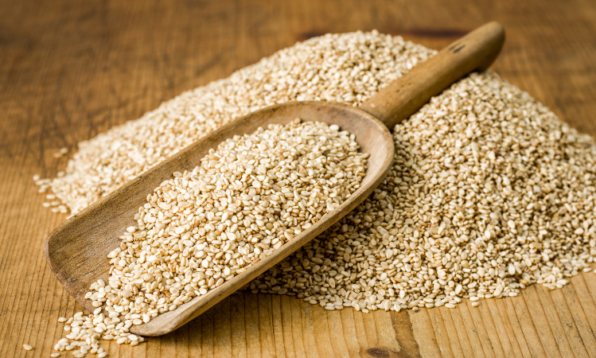
If you’re aiming to lose weight through fibremaxxing, include more soluble fibre in your diet to slow digestion slightly so you feel full for longer. This will reduce your overall calorie consumption. You should also include some insoluble fibre-rich foods like nuts, chia seeds, pumpkin seeds, and whole grains. This helps improve digestion by adding bulk to your food.
What I ate to practise fibremaxxing

I didn’t overload my diet with veggies, starve myself of other carbs to lose weight, or jump to an expensive meal plan. Instead, I ate one mixed-grain chapati for lunch (without ghee), and increased the sabzi ratio on my plate. Before meals, I had cucumber, carrot, and radish because they make you feel full enough so you don’t overeat.
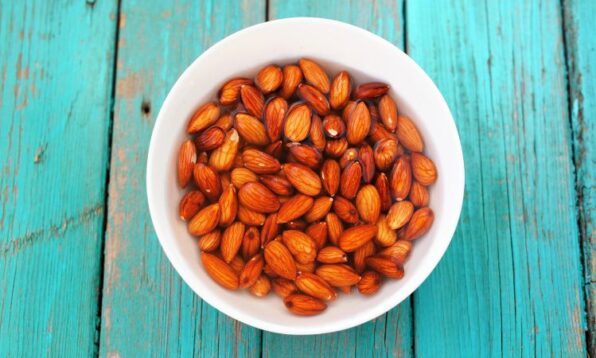
I started eating whole fruits like apples, oranges, and berries, instead of juicing them to get more fibre. I also kept a bowl of nuts and seeds handy whenever I craved snacks. Dal, chana, and rajma became my regulars instead of occasional meals. Since I love rice, I occasionally pair it with chhole and rajma, making sure the rice was drained of excess starch. On some days, I made sprout-filled salad bowls, and on other days. I prepared the salad bowls with lettuce or cabbage, roasted capsicum and broccoli, raw tomatoes, onions, cucumber, boiled beans or chickpeas, and minimal sauces to achieve sufficient flavour. Apart from this, I focused on having anti-inflammatory dishes and drank lots of water to boost metabolism. I also walked for 30 minutes daily.
The surprising results of fibremaxxing
Within days, I noticed I stayed full for longer. This also reduced my urge to snack mindlessly. My digestion felt smoother, and I didn’t feel bloated. Energy crashes became rare, and I didn’t find myself reaching out for sweets anymore. All of this resulted in me losing a couple of inches without strenuous workouts or extreme diets. As I was not forcefully starving myself of food, fibremaxxing also enhanced my energy levels which improved my mood. I also followed the same meals regularly so I didn’t have to stress about making something new every day. So, if you are on a weight loss journey, fibremaxxing can be a sustainable way to shed those extra kilos without starving yourself.
Featured Image Source
Related: If Digital Detox Is Your Goal In 2026, The Analog Living Trend Is For You
FAQs
Q1. Can fibremaxxing cause bloating or gas at first?
Yes, increasing fibre too quickly can lead to bloating or gas. It’s best to increase intake gradually and drink enough water to help your digestive system adjust.
Q2. Is fibremaxxing safe for people with sensitive digestion or IBS?
People with gut sensitivities may need to be cautious, as some high-fibre foods can trigger discomfort. Consulting a doctor or nutritionist before making major dietary changes is advised.
Q3. Do fibre supplements work the same as fibre from whole foods?
No, fibre supplements can improve bowel regularities and manage cholesterol. But they don’t provide the natural vitamins, minerals, and antioxidants of fibre-rich whole foods.
Q4. How long does it take to see results from fibremaxxing?
Digestive changes can be noticed within days, while changes in weight, energy levels, or waist measurements may take a few weeks, depending on consistency and overall diet.
Q5. Does fibremaxxing help with hormonal weight gain?
Fibre regulates blood sugar levels and digestion, which can indirectly help manage hormone-related weight fluctuations. But fibremaxxing is not a standalone solution for hormonal weight gain.
- Share:
-

-

-