Web Stories
The Real 2016 Throwback: When Bollywood Was Braver, Bolder, And Had A Voice

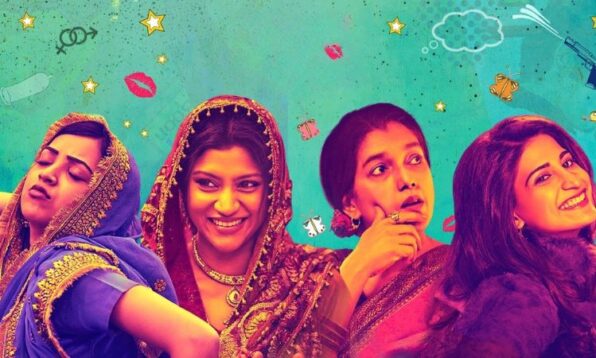
Everyone is feeling nostalgic about 2016, and so are we. But it’s not just our carefree lives we are reminiscing about; we also miss the progressive Bollywood that never made it beyond 2016. That year felt different for Bollywood. Lipstick Under My Burkha showed us four women discovering their sexuality in small-town India. Pink had us learning the tough lesson of consent and why victim-blaming isn’t cool. Dear Zindagi made therapy look normal, not shameful, and showed that a woman could work through her problems without a man swooping in to save her.
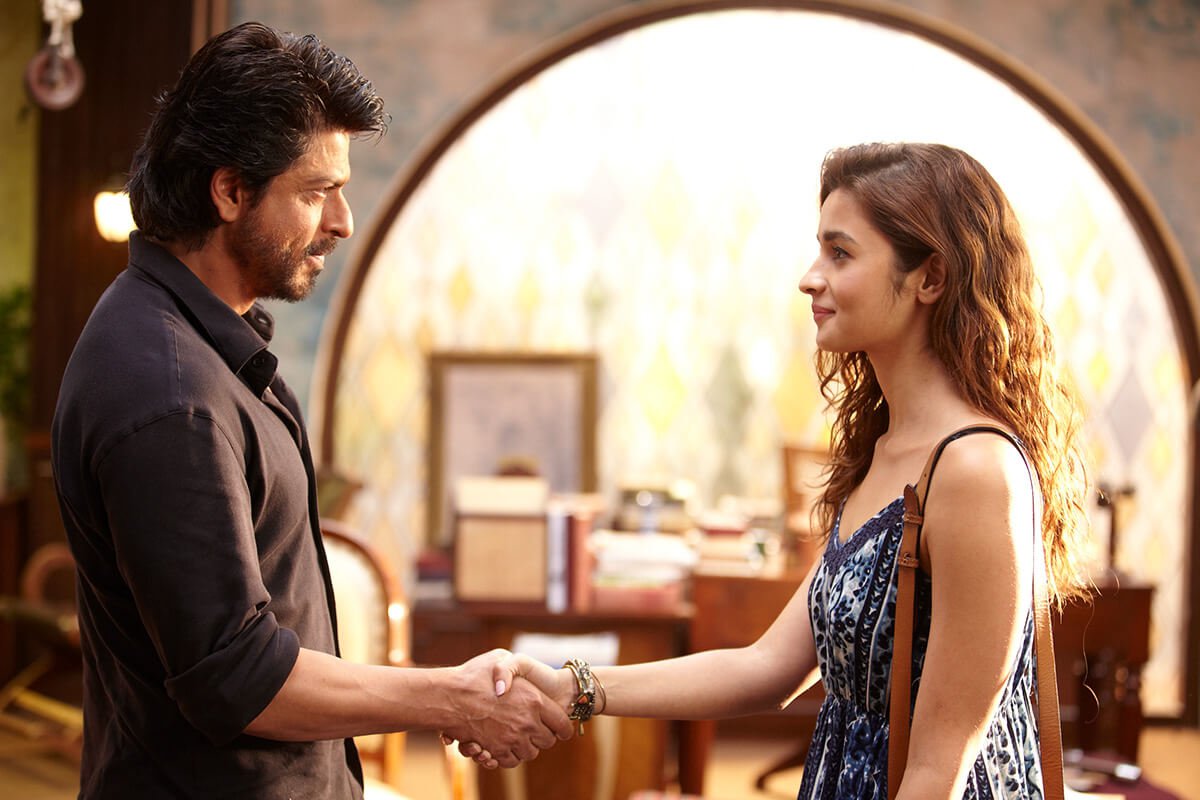
These films might not have been flawless or the best movies artistically. But they felt like Bollywood was finally growing up, ready to ask difficult questions about women, consent, and power. The industry seemed to be leaving behind its old habits of disguising stalking as romance, the creepy songs, the heroines who existed only to cheer from the sidelines. Then came the terrific 20s, and toxic masculinity in Bollywood movies suddenly became centre-stage. A quintessential example of this is the movie Animal.
Sandeep Reddy Vanga’s film wasn’t just violent or misogynistic in the usual Bollywood way. What made it genuinely disturbing was how it celebrated all of this. The hero controls women, degrades them, cheats on them, and the film treats this as normal behaviour for a “real man.” The worst part is that it was a massive hit, earning over ₹900 crore worldwide. Clearly, a huge chunk of the audience loved what they saw.
But isn’t art supposed to hold a mirror to society? So what on earth happened? How did we go from “no means no” to films that treat women like accessories to male rage?
Why awful men are celebrated in Bollywood movies
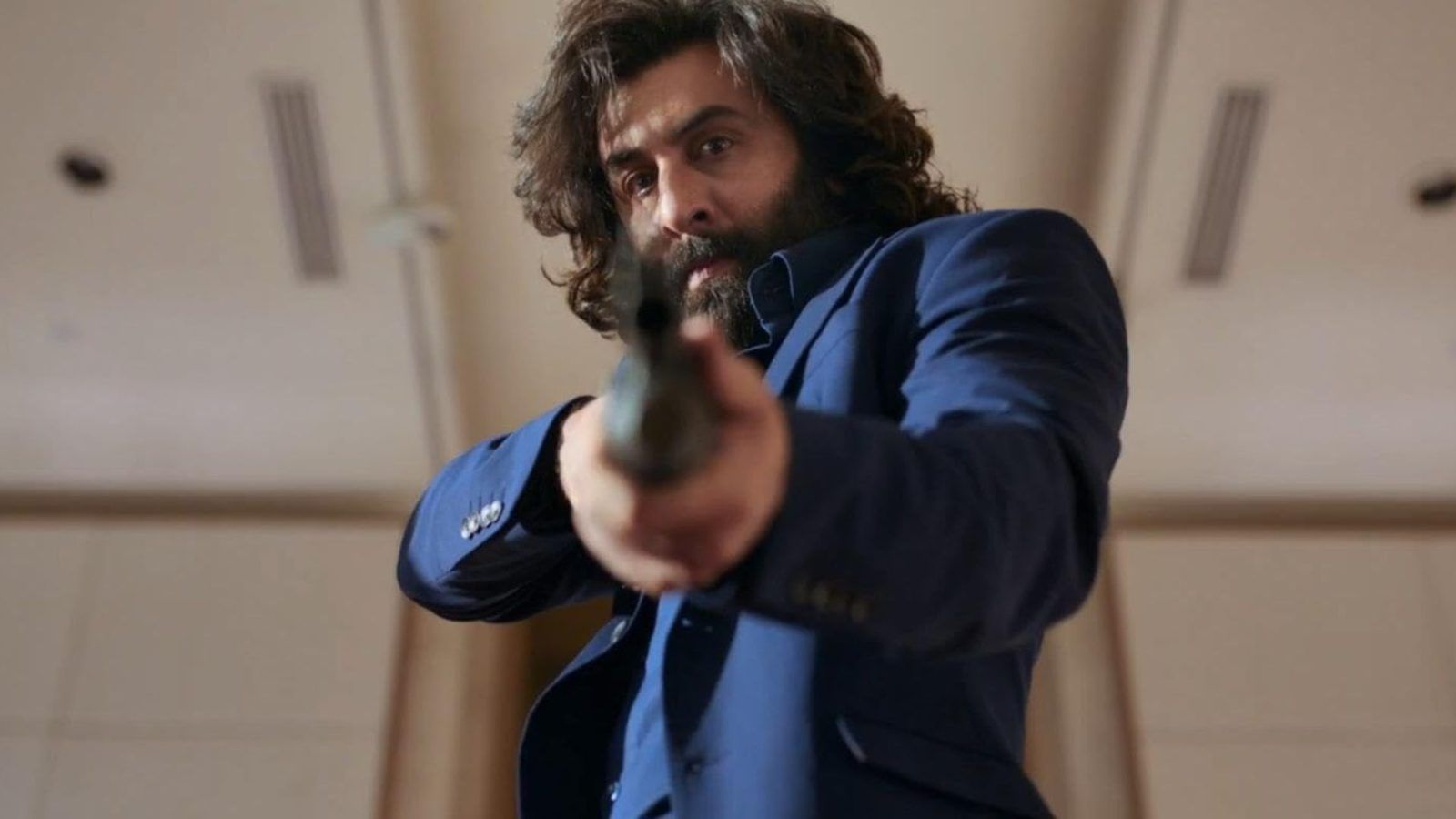
The usual defence is that cinema is “just entertainment”. But Bollywood, or art for that matter, is never neutral. Bollywood has always shaped social imagination, from defining romance to normalising gender roles. To pretend that films like Animal exist in a vacuum is either naive or dishonest. When aggression is glamorised at this scale, it becomes aspirational, especially in a culture already struggling with skewed notions of masculinity and power.
The industry, of course, will point to numbers. But this shift is not just economic; it is cultural. The return of the hyper-dominant male hero coincides with a broader social backlash against feminism, emotional vulnerability, and accountability. And of course, the rise of incels on social media. As women’s voices have grown louder, mainstream cinema has responded by turning the volume up on male rage. What we are witnessing is not a coincidence, but resistance.
Look at Tere Ishk Mein, the more recent story of a violent, egoistic, yet desirable alpha male. Or Baby John, a film that started with an important issue like human trafficking and then devoted itself completely to the character development of the male lead. Human trafficking as an issue can take a backseat in Bollywood now, but a man trying to save the world should come first. Movies like Baaghi 4 or War 2 have the same problem. The female leads are barely seen, and if they are, they exist solely as the trigger for a man’s heroism.
It seems like the industry has cracked the code. Why bother with nuanced storytelling and social issues when you can just appeal to wannabe alpha males and watch the money roll in? Why wrestle with complex ideas about gender when you can provoke reactions and let the box office do the talking?
We don’t mean to say that progressive films don’t exist anymore. Sanya Malhotra’s Mrs. is a great example. But the pace with which Bollywood is trying to move forward is slower than ever. Today, big-budget Hindi films increasingly lean into spectacle, aggression, and machismo. Like Dhurandhar. The “alpha male” hero has returned with a vengeance — morally grey, emotionally stunted, often violent, and almost always positioned as desirable. In a society where women face the wrath of the supposed alpha males daily, we can’t be labelling a violent, disrespectful man as desirable.
So, yes, bring 2016 back again, for the progress and freedom it promised.
Featured Image Source
More from All About Eve:
7 Underrated Bollywood Movies That Brought Real-Life Legal Cases To The Big Screen
Is The Lesbian Police Officer Becoming Bollywood’s Newest Trope?
From Aryan Khan To Navya Nanda, Bollywood’s Star Kids That Took The Road Less Filmy
- Share:
-

-

-