Web Stories
Moms, You’re Not Just Tired Or Irritable: Watch Out For These Hidden Postpartum Depression Symptoms


Motherhood is often portrayed as a time of unfiltered joy. It is described as a phase filled with bonding, celebration, and emotional fulfilment. In India, this image is even more pronounced, with traditions, family involvement, and cultural expectations amplifying the idea that a new mother should feel nothing but happiness. Yet, for many women, the reality is far more complex. Postpartum depression symptoms in Indian women remain widely underrecognised, not only because of stigma but also because these signs are often subtle, misunderstood, or normalised. Many Indian women experience these symptoms of depression after having a baby without realising that what they are going through is more than just a difficult adjustment.
Exhaustion as a symptom of postpartum depression
Fatigue is an expected part of early motherhood. Sleepless nights, feeding routines, and physical recovery can leave any new mother feeling drained. However, postpartum depression symptoms often include a kind of exhaustion that goes beyond the physical. It can feel like a constant heaviness, as though even the simplest tasks require immense effort. This type of fatigue often lingers despite rest and support. Because tiredness is so easily explained away in the postpartum phase, many women dismiss this early sign of postpartum depression and push through it, unaware that it may signal something more serious.
Irritability as a sign of depression after having a baby
Mood swings after childbirth are frequently attributed to hormonal changes, and while hormones do play a role, persistent irritability can be one of the key signs of depression after having a baby. Instead of feeling weepy or sad, some women find themselves unusually short-tempered, frustrated, or overwhelmed. In many Indian households, this irritability is normalised or even trivialised. Comments like “it’s just a phase” can make women feel as though their emotional responses are not worth addressing, leading them to ignore an important postpartum mental health symptom.
Emotional numbness and feeling disconnected after childbirth

Depression is often associated with visible sadness, but postpartum depression symptoms do not always present this way. Some women experience emotional numbness — a sense of detachment from their surroundings, their loved ones, or even their baby. This often leads many to wonder, “Why do I feel numb after having a baby?”, without realising it can be a symptom of postpartum depression. In a culture where maternal love is expected to be immediate, this feeling can create deep confusion and guilt.
Excessive guilt is a sign
Feelings of guilt are not uncommon among new mothers, especially in India, where women often juggle multiple roles and expectations. However, postpartum depression symptoms in Indian women can intensify this guilt to a level that becomes overwhelming and persistent. A woman may feel that she is failing as a mother, even when she is doing everything she can. She might blame herself for minor issues or hold herself to impossible standards, making this one of the most overlooked signs of postpartum depression.
Postpartum anxiety and constant worry after childbirth
Caring deeply about a newborn’s safety is natural, but postpartum depression and anxiety symptoms can bring an intense and constant sense of worry. This anxiety may manifest as racing thoughts, an inability to relax, or persistent fears about the baby’s well-being. In many cases, this behaviour is praised as attentiveness. However, when worry becomes overwhelming, it may indicate deeper mental health challenges after childbirth in India.
Changes in appetite
In Indian households, new mothers are often encouraged to eat well as part of their recovery. However, postnatal depression symptoms can include noticeable changes in appetite. A woman may lose interest in food or turn to eating for comfort. These shifts are often overlooked because they are attributed to physical recovery rather than maternal mental health symptoms.
Withdrawal and isolation as signs of postpartum depression
After childbirth, it is common for women to rest and take time away from social interactions. However, one of the more subtle signs of postpartum depression after childbirth is emotional withdrawal. She may avoid conversations, lose interest in activities she once enjoyed, or feel disconnected from those around her. This behaviour is often mistaken for rest, allowing this postpartum depression symptom to go unnoticed.
Physical symptoms
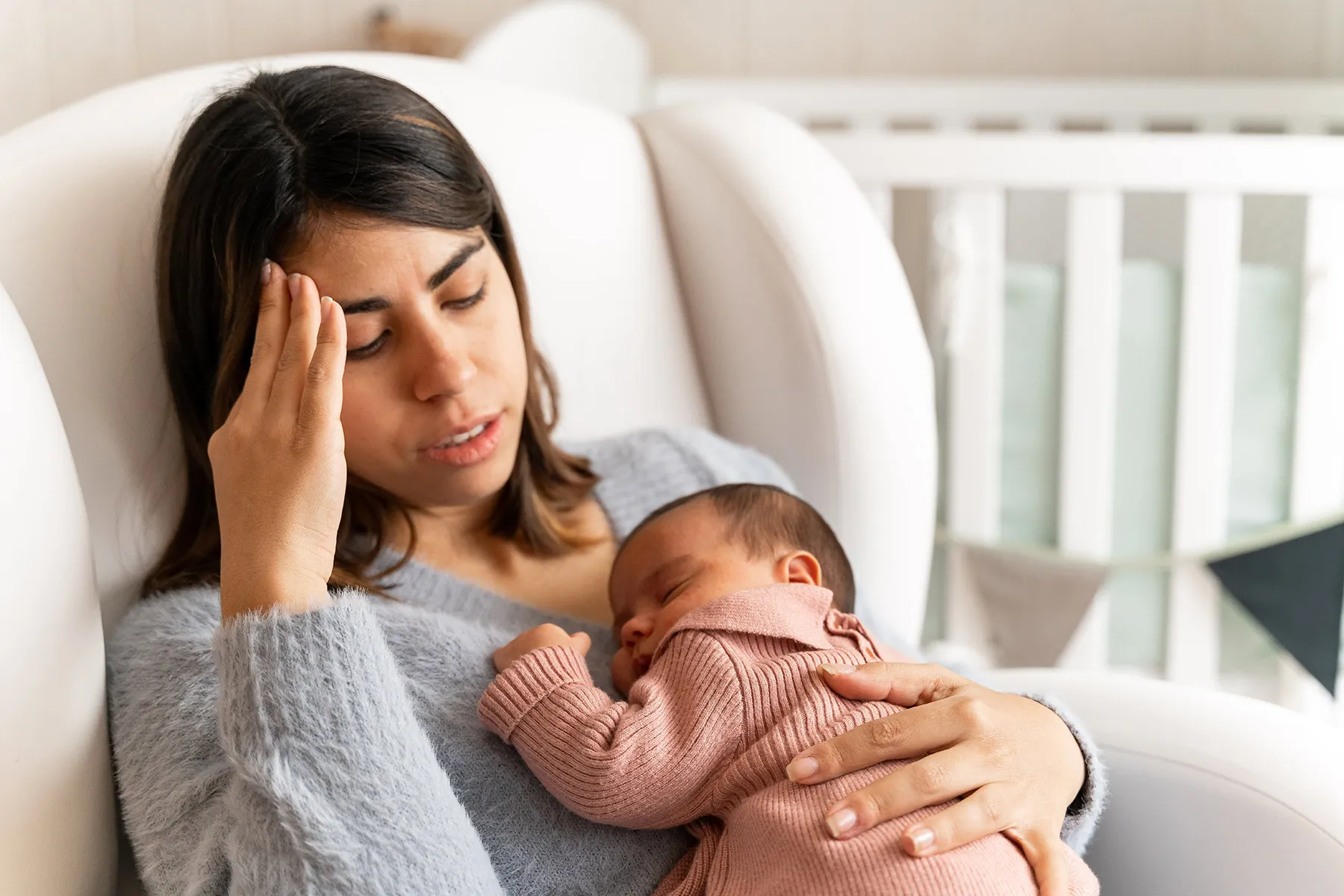
Emotional distress does not always present as emotional. In many cases, especially in India, postpartum depression symptoms appear as physical issues such as headaches, body aches, or digestive problems. Because these symptoms seem physical, they are often treated without recognising their connection to mental health after childbirth.
Difficulty bonding with the baby
One of the most misunderstood symptoms of postpartum depression is difficulty bonding with the baby. While society expects an immediate connection, many women struggle with this experience. This can make mothers question themselves, wondering if they are bad mothers, undeserving of such a blessing. This really eats away at you.
Women are often expected to endure challenges quietly and prioritise their family’s needs above their own. In many cases, the focus remains almost entirely on the newborn, leaving little space to consider the mother’s well-being. So, it’s important to recognise these signs early on and seek the necessary help.
Featured Image Source
FAQs
Q1. What are the early symptoms of postpartum depression?
Early postpartum depression symptoms include persistent fatigue, irritability, emotional numbness, and anxiety after childbirth.
Q2. How do I know if I have postpartum depression?
If you notice ongoing emotional distress, disconnection, or lack of interest in daily life after having a baby, it may indicate postpartum depression.
Q3. Is it normal to feel numb after having a baby?
Feeling emotionally numb after childbirth can happen, but if it persists, it may be a sign of postpartum depression.
Q4. What are the signs of depression after having a baby?
Common signs include sadness, irritability, withdrawal, anxiety, and difficulty bonding with your baby.
Q5. Why is postpartum depression often missed in Indian women?
Cultural expectations, lack of awareness, and focus on the baby often lead to postpartum depression symptoms being overlooked.
- Share:
-

-

-