Web Stories
Ladies, If You’re In Your 40s, Don’t Wait For A Symptom, Get These Health Checkups Done ASAP


Turning 40 can be fun. You eventually stop giving a damn about what people think of you. But at the same time, your body slowly sends signals of non-cooperation. Hormones shift, metabolism slows down, bones become weaker, and risks that once felt “decades away” begin to creep closer. But your health can be well managed with a few simple medical tests. Regular tests can catch problems early, when they’re far easier to manage. So, here are a few medical tests women should get after 40.
1. Complete Blood Count (CBC)

A CBC test is often overlooked because it’s so common, but it’s incredibly powerful. This simple blood test checks your red blood cells, white blood cells and platelets, helping detect issues like anaemia, infections, inflammation and even some blood disorders. After 40, fatigue, dizziness or breathlessness are often brushed off as “ageing” or stress. A CBC can tell you whether something more is going on beneath the surface.
2. Lipid profile
A lipid profile evaluates your total cholesterol (good and bad) as well as triglycerides. Heart disease is one of the leading causes of death in women, and risk increases significantly after 40, especially around perimenopause. Even if you’re slim, active and eat reasonably well, hormonal changes can affect cholesterol levels. This test helps assess your real cardiovascular risk.
3. Blood pressure
High blood pressure rarely comes with symptoms, which is why it’s called the “silent killer”. Left unchecked, it increases the risk of heart attacks, strokes and kidney disease. A quick blood pressure reading, at least once a month, can make a world of difference. After you understand how to take a blood pressure reading, you don’t even need to go to a doctor for this. Buy a reliable blood pressure monitor and test yourself at home regularly.
4. Breast cancer screening
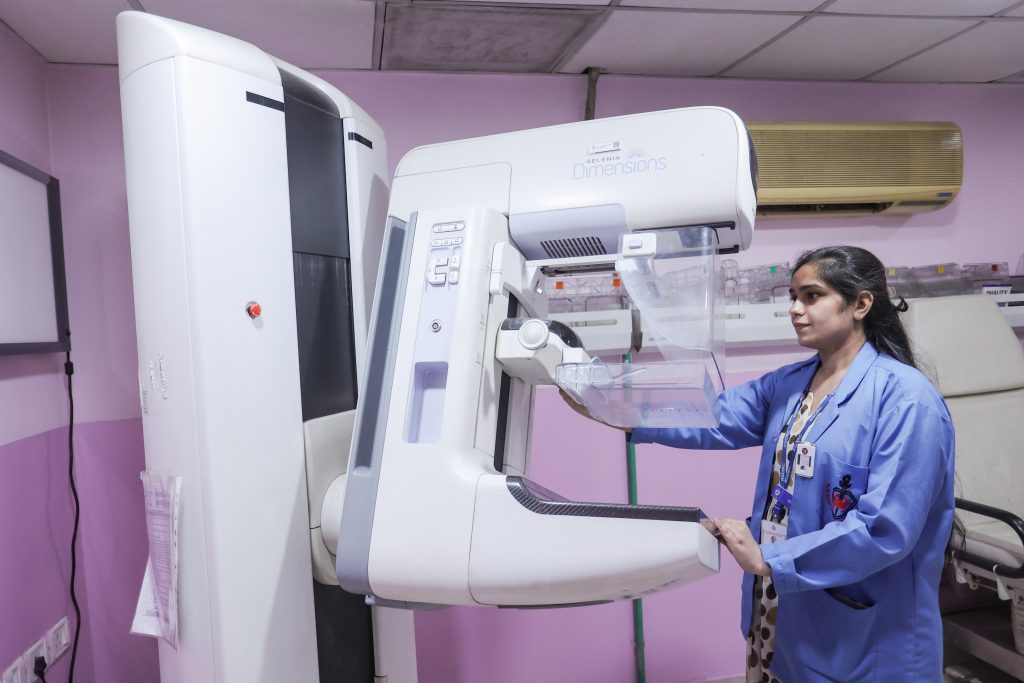
Breast cancer is one of the most important medical tests for women after 40. Depending on your risk factors, doctors may recommend mammograms, breast ultrasounds or MRIs. What matters most is consistency. Many women delay screening because they’re busy, anxious or feel fine. But breast cancer caught early is highly treatable, and screening remains one of the most effective tools we have.
5. Prediabetes and type 2 diabetes screening
Insulin resistance often increases with age, even in women who’ve never had blood sugar issues before. Screening typically includes fasting blood glucose or HbA1c tests. Prediabetes doesn’t mean diabetes is inevitable; it means you’ve been given a warning and a chance to reverse course through diet, movement and lifestyle changes.
6. Colorectal cancer screening
Colorectal cancer risk rises after 40, and early stages often cause no noticeable symptoms. Screening may include stool tests, sigmoidoscopy or colonoscopy, depending on your age and family history. It’s not the most comfortable test, but it’s one of the most effective at preventing cancer altogether by detecting and removing precancerous growths early.
7. Osteoporosis screening
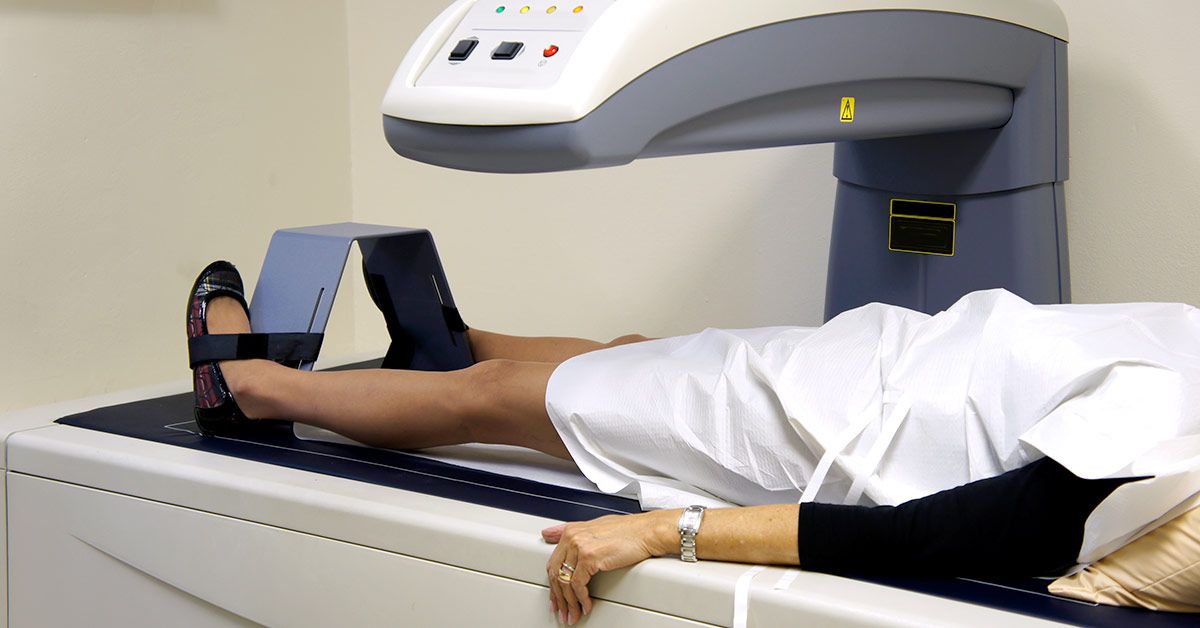
Bone density naturally declines with age, and women are particularly vulnerable after menopause. A quick DEXA scan tells your bone density as well as the risk of a fracture in the future.
You may need earlier screening if you have risk factors such as:
- Long-term steroid use
- Low body weight
- Smoking or heavy alcohol use
- A fracture after age 50
- Family history of hip fracture or osteoporosis
8. Lung cancer screening
Lung cancer remains the leading cause of cancer death in women, and it’s not limited to heavy smokers. Screening with low-dose CT scans may be recommended for women with a smoking history or significant exposure to second-hand smoke. Because symptoms appear late, early screening can be life-saving.
9. Thyroid function test
Thyroid disorders are more common in women and often surface around midlife. Unexplained weight changes, fatigue, hair thinning, anxiety or low mood can all point to thyroid imbalance. A simple blood test can bring clarity and prevent years of misdiagnosis.
10. Vitamin D and B12 levels
:max_bytes(150000):strip_icc()/vitamindtest-7e0296429d474879b042695dc821e93a.jpg)
Low vitamin D levels can affect bone health, immunity, and mood, while B12 deficiency can cause fatigue, nerve issues, and memory problems. These deficiencies are surprisingly common after 40, especially in women with limited sun exposure or restrictive diets.
Medical tests after 40 shouldn’t happen only when something is wrong. So, stay one step ahead and get yourself checked regularly.
Featured Image Source
Related: 6 Medical Tests Every Woman Should Get Done Before Her Wedding
FAQs
Q1. How often should women over 40 get a full health check-up?
Ideally, once a year, even if you feel healthy, as many age-related conditions develop without obvious symptoms.
Q2. Should women with no family history still get cancer screenings?
Yes. A significant number of cancer cases occur in people with no known family history, making routine screening essential.
Q3. Can lifestyle changes reduce the need for medication after abnormal test results?
In many early-stage cases, improvements in diet, exercise, sleep and stress management can delay or even avoid medication.
Q4. Is weight gain after 40 always hormonal?
Not always. Changes in muscle mass, insulin sensitivity and daily activity levels often play an equal role.
Q5. Are private health tests more accurate than government or hospital screenings?
Accuracy is similar. The key difference lies in speed, convenience and follow-up support rather than test quality.
Q6. What symptoms should never be ignored after 40?
Persistent fatigue, unexplained pain, sudden weight changes, breathlessness or bleeding should always be medically evaluated.
- Share:
-

-

-