Web Stories
Does Winter Make You Feel Like You’re 90 Years Old? Ayurvedic Treatment Kizhi Is What You Need


Winter has a way of making us feel older than our years by making simple movements challenging. Your usual yoga class feels impossible, that evening walk you love becomes something to dread, and even your skin protests with dryness and irritation. If you’re nodding along sadly, let me introduce you to Kizhi. Ayurveda suggests practising Kizhi treatment to combat the winter woes. And no, it doesn’t involve anything complicated or uncomfortable. In fact, it’s rather like being cocooned in warm, healing goodness while someone takes care of all those niggling aches you’ve been ignoring.
Related: Struggling With Dandruff? Choose Your Hair Oil According To Your Ayurvedic Dosha
What is the Kizhi Ayurveda treatment?
Kizhi, also known as pinda sweda, is a traditional Ayurvedic therapy that involves the application of warm herbal poultices to the body. The term “kizhi” comes from the Malayalam word meaning “bundle” or “pouch.” These therapeutic bundles are filled with various medicinal ingredients, including herbs, powders, rice, or sand, which are then heated in warm medicated oils and rhythmically applied to specific areas of the body or massaged over the entire physique.
This treatment has been practised for thousands of years in India and is considered one of Ayurveda’s most effective therapies for inducing sudation (sweating) and promoting deep healing. The warmth from the poultices penetrates deeply into the tissues, whilst the medicinal properties of the herbs work their magic on muscles, joints, and nerves.
Practitioners choose different herbs for Kizhi depending on what condition they’re treating. Popular choices include nirgundi (vitex negundo) to relieve pain, eucalyptus for your respiratory system, turmeric to fight inflammation, ginger to improve circulation, ashwagandha to strengthen tissues, and lemongrass for warmth. Many practitioners also incorporate locally available medicinal leaves such as tamarind, castor, and drumstick, each chosen for their unique therapeutic properties.
Why you should try Kizhi this winter
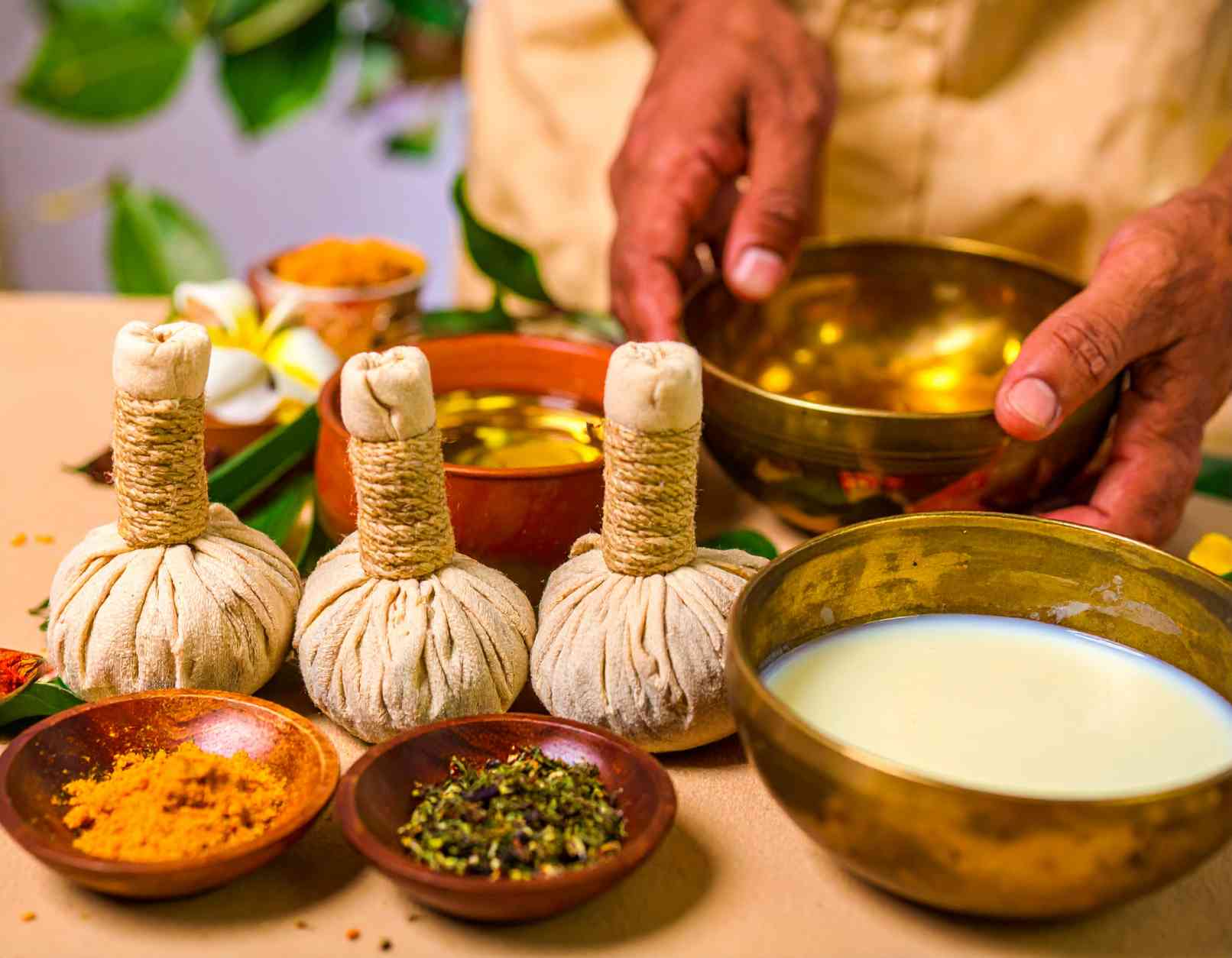
Winter, according to Ayurvedic principles, is dominated by vata dosha, which is characterised by cold, dry, and rough qualities. This imbalance can manifest as joint stiffness, poor circulation, dry skin, and increased susceptibility to aches and pains. Kizhi therapy directly counteracts these effects through its warming, nourishing, and lubricating properties.
The heated herbal poultices provide sustained warmth that soothes aggravated vata, improves blood circulation, and loosens tight muscles.
Types of Kizhi
Different types of Kizhi treatments exist, each tailored to specific conditions:
-
Elakizhi (Leaf Kizhi): Practitioners bundle fresh medicinal leaves together, heat them in warm oil, and apply them to your body. This works particularly well for arthritis, back pain, and sports injuries.
-
Podikizhi (Powder Kizhi): Therapists fill the poultices with herbal powders, which penetrate deeper into your tissues. This makes it excellent for tackling chronic pain and inflammation.
-
Navara Kizhi (Rice Kizhi): Practitioners cook special medicinal rice in herbal milk and bundle it into cloth pouches. This luxurious treatment rejuvenates and nourishes your body beautifully, making it ideal if you’re recovering from illness or want to build strength.
-
Mana Kizhi (Sand Kizhi): Therapists heat sand and use it in the poultices, delivering intense, dry heat that works wonders for conditions like frozen shoulder and certain neurological disorders
Benefits of Kizhi treatment
So what can Kizhi actually do for you? Quite a lot, as it happens, especially when winter is doing its worst. If you’ve been hobbling about with creaky knees or struggling to turn your neck properly, Kizhi can bring real relief. That persistent joint pain and stiffness, whether it’s from arthritis acting up in the cold or simply your body protesting the weather, tends to ease considerably with regular sessions. Your blood gets flowing better, too, which means all the good stuff your body needs actually reaches where it’s supposed to go.
The medicated oils and herbs work their way deep into your skin, tackling inflammation and helping your body heal faster. All your tension melts away, and you feel much lighter. Your skin gets a treat too. Those lovely medicated oils sink right in, transforming dry, flaky winter skin into something that actually feels comfortable again. Regular Kizhi sessions help keep your whole system in balance. Your immunity gets a boost, your energy levels improve, and this is exactly what you need when winter is trying its best to wear you down.
Featured Image Source
Related: 7 Ancient Ayurvedic Rituals That Gently Reset And Balance Your Hormones Naturally
FAQs
Q1. Can Kizhi help with specific conditions like sciatica or frozen shoulder?
Yes, Kizhi has shown particular effectiveness for conditions like sciatica, frozen shoulder, cervical spondylosis, and tennis elbow. However, the number of sessions required and the specific type of Kizhi will depend on the severity of your condition.
Q2. Is there an ideal time of day to receive Kizhi treatment?
Ayurveda suggests practising Kizhi in the morning, particularly between 6 AM and 10 AM when kapha dosha predominates.
Q3. How should I prepare for my first Kizhi session?
Avoid heavy meals at least two hours before your treatment, as Kizhi works best on a relatively empty stomach. It’s also advisable to avoid strenuous exercise immediately before your session.
Q4. Can Kizhi be combined with other Ayurvedic treatments?
Absolutely. Kizhi is often incorporated into comprehensive Ayurvedic treatment programmes like panchakarma.
- Share:
-

-

-