Web Stories
I Tried Eating Sesame Seeds For 15 Days. What I Experienced Shocked Me

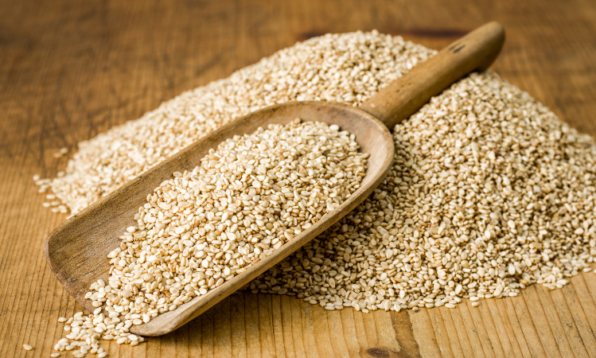
Do you ever finish a meal and feel like something’s still missing? Dessert might be the obvious answer, but we all know it can leave you feeling a little guilty later. Just like you, I had a similar dilemma until I saw a small jar of roasted sesame seeds my mother kept in the kitchen. I started eating a spoonful after every meal just to feel satiated. Soon, it became an everyday ritual, and within 15 days, I noticed something that completely surprised me. So, if you’re wondering whether it’s good to eat sesame seeds daily, here’s my experience.
Related: I Tried The Viral Fibremaxxing Trend For A Month, And The Results Surprised Me!
What I experienced after eating sesame seeds daily for 15 days
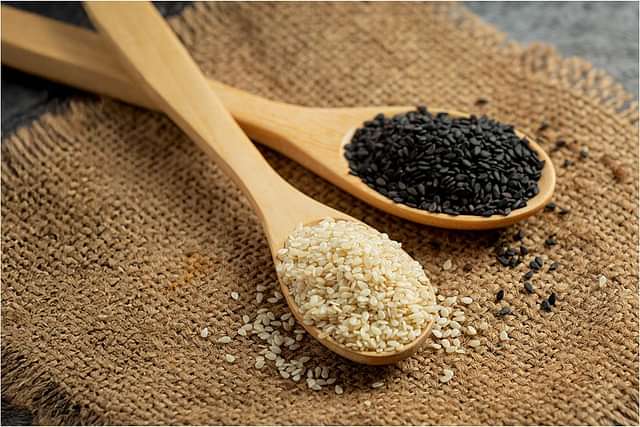
Within a week of eating roasted white sesame seeds after every meal, I began to notice subtle changes. My cravings for dessert decreased and meals felt more satisfying. My digestion improved, and I no longer felt bloated or nauseated after meals. Over these two weeks, I also noticed other benefits. My skin looked more moisturised and nourished, without needing to reapply moisturiser every two hours. Earlier, I had stiffness in my neck and shoulders due to long hours of sitting at my desk job. After eating sesame seeds daily, I experienced considerably less stiffness in my neck. Sesame seeds are rich in fibre and healthy fats which kept me full for longer, reducing my urge to snack mindlessly. But there are more benefits of consuming sesame seeds every day.
Sesame seeds improve hair texture and scalp health, strengthening your roots. They support heart health and help regulate blood pressure. Rich in magnesium, calcium, and zinc, sesame seeds enhance bone density. The antioxidants and fibre in the seeds help reduce bad cholesterol, stress levels, and inflammation in your body.
How to consume sesame seeds daily

The best way to eat sesame seeds every day is to dry roast them. You can add sesame seeds to salads, breads, or sautéed veggies to add more crunch to your meals. If you don’t want to eat seeds, you can use sesame oil to stir-fry veggies or as a salad dressing. If you suffer from joint pain and related issues, heat the sesame oil and apply it to your knees and shoulders. You can also use powdered sesame, but you should consume it the same day or it will lose its medicinal properties. If you are eating roasted sesame seeds, make sure you chew them properly to get the most benefit. Even though I consumed roasted white sesame seeds, you can also eat black ones as they are more effective but bitter.
The best time to eat sesame seeds
Eating sesame seeds after meals worked best for me as it satisfied post-meal cravings and improved digestion. But you can also include them in breakfast or as a mid-day snack for a healthy boost. Don’t use more than 1.5 tablespoons per meal. In the summer, reduce it to one to two tablespoons per day, as they are very warm in nature.
This 15-day journey taught me how small, consistent changes can make a difference. So, are you going to try eating a spoonful of sesame seeds daily?
Featured Image Source
Related: I Thought Sleeping In On Weekends Was Self-Care Until I Realised It Was Making Me Feel Worse
FAQs
Q1. Are there any side effects of eating sesame seeds daily?
Eating too many sesame seeds can cause digestive discomfort for some people. It is best to stick to recommended portions.
Q2. Can sesame seeds cause allergies?
Some people may be allergic to sesame seeds. Start with a small amount if you’ve never had them before.
Q3. Will eating sesame seeds alone make us healthier?
Sesame seeds are nutritious but not a replacement for a healthy diet and lifestyle. They work best as part of a balanced diet alongside other healthy foods.
Q4. Is there any major difference between black and white sesame seeds?
Both black and white sesame seeds are nutritious. Black sesame seeds have slightly higher antioxidant content, while white sesame seeds are milder and easier to include in meals.
Q5. How should we store sesame seeds to keep them fresh?
Store the sesame seeds in an airtight jar in a cool, dry place. Roasted seeds stay fresh for up to a month.
- Share:
-

-

-