Web Stories
Stress Eating Your Feelings? How To Reset Your Routine Without Spiralling Into Shame


We’ve all been at a point where we stress-ate a whole pizza, felt guilty about it, and tried to drown the guilt with a tub of ice cream. A stressful day at work, an argument with your partner, or even doomscrolling through fitness reels can make that huge bag of chips look like emotional support. And the guilt trip that follows the emotional snack spiral often makes you beat yourself up. But stress eating doesn’t make you perpetually unhealthy, undisciplined, or not in control of yourself. It is a human coping mechanism where food becomes comfort. It serves as a distraction and momentary satisfaction. So, stop punishing yourself by working out far too much or skipping meals. Here is a no-shame guide on how to stop stress eating and fix your habits without spiralling.
What is stress eating?
Just as the name suggests, stress eating means overindulging, not because you’re feeling hungry, but because your emotions are all over the place. We often end up overeating when we are stressed, sad, anxious, bored, or even overwhelmed. This is due to high cortisol levels, which make us crave sugary, carb-loaded, high-fat foods. And overindulging in such foods spikes the feel-good hormone, dopamine, temporarily. So, reaching for that chocolate bar or finishing the whole pizza in one sitting feels like therapy in the moment but often leaves us feeling tired, sluggish, and, worse, guilty.
Stress eating is not just about eating unhealthy, nutrient-deficient food; it is also about overeating and eating at the wrong time. This leads to digestion issues, bloating, skin breakouts, and slowed metabolism, making you feel discomfort and creating a sense of shame. But stress eating isn’t necessarily unhealthy; it is just the way your body copes with stress. The problem is the extended periods of indulgence and not knowing how to stop stress eating.
How to bounce back after stress eating
Once you understand what you’re doing, you are already in the middle of punishing or starving your body to get rid of the effects of stress eating. But that’s not how it works. Following an extreme pattern makes it worse when you fall back into the eating spiral, making the shame hit harder each time. The idea is to gently shift back to healthier ways to deal with stress and not shame yourself. Here are some stress eating tips that allow you to slowly get back on track without any crash diets or extreme workouts.
1. Get rid of the guilt trip
It’s easier said than done, but don’t let one moment of weakness turn into a whole week of guilt. Acknowledge what has happened and don’t judge yourself too hard for it. Maybe you had an uneventful day, maybe you got your period, or maybe it was just one of those gloomy days. Reaching for comfort food is a normal human reaction. The key is to remind yourself not to repeat the same thing the next day and try to include healthier options to balance out the stress eating. A single meal doesn’t define your health choices; healthy habits are built over months and years, so have some compassion for yourself and reset your boundaries gently.
2. Don’t put extreme restrictions on yourself
Just because you had a weekend of binge eating doesn’t mean Monday will be a miracle. You can’t put extreme restrictions like skipping meals, spending extra time in the gym, or doing an excessive detox. What this does is only make your cravings stronger, making it easier to fall back in a moment of stress. So, instead of punishing your body, try to focus on balance. Start by including fibre, protein, healthy fats and maybe a little sweet treat to let your body get the hang of things again. Also, work on the timings of your meals to allow your body clock to reset gently and restart your metabolism.
3. Focus on movement
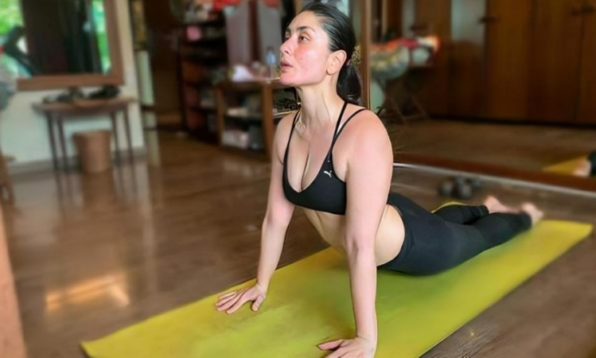
Stress eating often makes you feel tired, sluggish, and uneasy. But don’t push yourself to extreme burnout activities and slowly bring back easy movements. A ten-minute walk post-meals, some stretching, lymphatic jumping, or even dancing around eases your mind and improves digestion. You can also try non-exercise activity thermogenesis, popularly known as NEAT, to burn some extra calories. This includes walking, fidgeting, stretching, and doing physical chores that aren’t exactly exercises. It helps boost metabolism, and mindful movements release endorphins, the body’s natural stress relievers.
4. Try to replace junk with healthier substitutes
Sure, carrot sticks don’t taste like chips, but the idea is to replace junk food with healthier options by finding similar textures or tastes. When you’re stressed and craving something sweet, instead of going for an ice cream cup, grab a yoghurt bowl instead. Top it off with berries, honey, and dark chocolate chips to satiate your sugar cravings. Similarly, when you’re thinking of reaching out for a bag of chips, go for air-popped popcorn to kill the craving, but be mindful of your health. Keep making such swaps and trick your mind into eating healthier even when you’re stressed.
5. Don’t set unrealistic goals
Understanding what triggers your stress eating is the first step to setting goals for yourself. But don’t set unrealistic goals by completely avoiding carbs and healthy fats. Working in extremes is only going to make you stress more, making the situation even worse. So, start by making small swaps or including small habits that are doable. Having small wins every day encourages you to maintain consistency rather than following an extreme diet or routine, which is hard to follow and maintain.
6. Go heavy on hydration
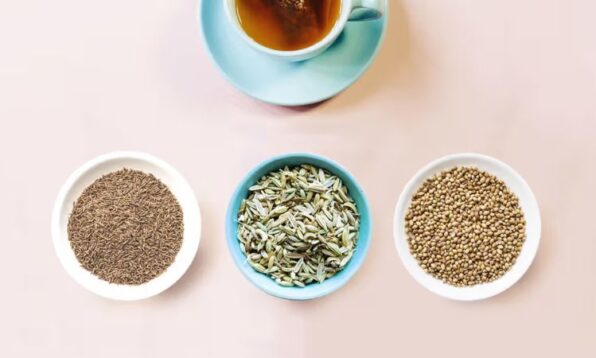
Hydration is a gentle, simple, and effective way to reset your system. Stress eating can involve lots of sugary and salty foods that can lead to water retention and bloating, causing discomfort and sluggishness. Increasing your intake of water or herbal teas will help your body rebalance by flushing toxins and nourishing your body. You don’t need excessive detox drinks; if you feel like it, try lemon and chia seed water, warm water with ginger and turmeric, or even cumin, carom and fennel seeds for relief.
Featured Image Source
More stories from All About Eve
Are Olive Oil And Lemon Juice Shots The New Morning Ritual Or Just Another Wellness Fad?
The Lymphatic Jump Routine: Why Is Everyone Obsessed With Instagram’s Bouncy Wellness Trend?
- Share:
-

-

-