Web Stories
Eat Your Way To Hormonal Balance With These Everyday Foods

Modern life rarely gives us a pause button. Between work, responsibilities, social pressure, and the constant need to “keep up”, stress has become almost unavoidable. And this stress shows up as hormonal imbalance. The good news is that while stress may be unavoidable, supporting your hormones doesn’t have to be another thing on your to-do list. Small, consistent food choices can go a long way in helping your body find balance naturally, gently, and without added pressure. Here are some everyday hormone-balancing foods that can make those fluctuations a little easier to live with.
Related: 7 Ancient Ayurvedic Rituals That Gently Reset And Balance Your Hormones Naturally
1. Seeds

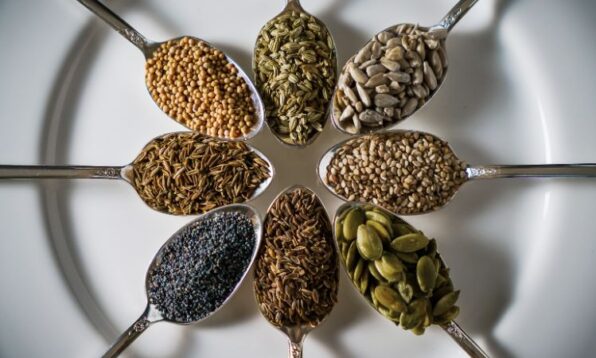
Seed cycling has gained popularity for good reason. Seeds such as pumpkin seeds, flaxseeds, sesame seeds and chia seeds are rich in zinc and lignans, nutrients that help regulate estrogen and progesterone levels. They are also packed with omega-3 fatty acids, which support inflammation control and overall hormonal health. A simple sprinkle over meals can make a real difference.
Note: Chia seeds must be soaked before consumption to avoid gastric discomfort.
2. Leafy greens
If leafy greens were your childhood enemy, it’s time to make peace with them. Vegetables like spinach, kale and fenugreek leaves are rich in magnesium and folate, both of which play an important role in reproductive and hormonal health. Eating them regularly can help stabilise mood swings and support menstrual health.
3. Eggs

For those who eat them, eggs are a nutritional powerhouse. They are high in quality protein and vitamin D, both essential for hormone production and balance. Eggs also help keep you fuller for longer, which supports stable blood sugar, a key factor in hormonal regulation.
4. Fatty fish
Fatty fish such as salmon, sardines and mackerel are excellent for hormonal health, especially for those dealing with menstrual discomfort or PCOS symptoms. Rich in omega-3 fatty acids, fish helps reduce inflammation, supports reproductive health, and eases menstrual pain.
5. Oats
Often dismissed as bland or boring, oats deserve more credit. They are high in soluble fibre, which helps regulate insulin levels. Balanced insulin is crucial, as insulin spikes can trigger a chain reaction that disrupts other hormones in the body. A warm bowl of oats can be both comforting and hormone-friendly.
6. Coconut oil

Coconut oil contains medium-chain triglycerides (MCTs) that support hormone production and provide steady energy. When used in moderation, it can be a good alternative to refined cooking oils and fits well into a hormone-supportive diet.
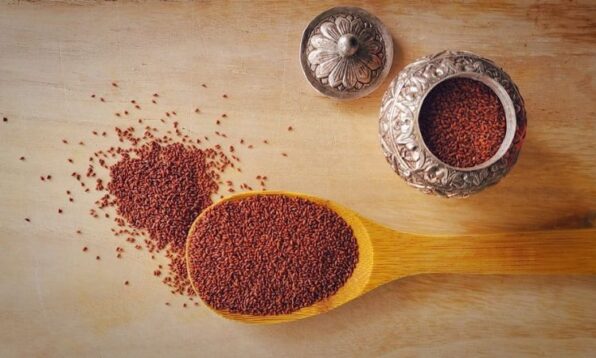
7. Ragi
Ragi (finger millet) is a traditional grain that often gets overlooked. It helps stabilise blood sugar levels, supports digestion, and provides essential minerals like calcium and iron. A slow-release carbohydrate, ragi is one of the best hormone-balancing foods.
8. Shatavari

Shatavari is a well-known Ayurvedic herb traditionally used to support female hormonal health. Known for its adaptogenic properties, it helps the body cope with stress while supporting menstrual regularity and hormonal stability. Though not a food in the conventional sense, it is often consumed as a powder mixed with warm milk as part of traditional wellness practices.
Featured Image Source
Related: Can’t Seem To Lose Weight No Matter What You Do? 10 Signs Your Hormones Are Responsible
FAQs
Q1. How long does it take for diet changes to affect hormones?
Small improvements can be noticed within a few weeks, but meaningful hormonal balance usually takes two to three months of consistent healthy eating and lifestyle habits.
Q2. Can hormonal imbalance occur even with a healthy diet?
Yes. Factors like poor sleep, chronic stress, gut health issues and environmental toxins can disrupt hormones despite good nutrition.
Q3. Do men also need to focus on hormone-balancing foods?
Absolutely. Hormones such as testosterone, cortisol and insulin affect energy, muscle mass, mood and metabolism in men as well.
Q4. Is it necessary to take supplements to balance hormones?
Not always. Many people can support hormone health through food alone, though supplements may help in specific deficiencies.
Q5. Can hormonal imbalance cause weight gain even with regular exercise?
Yes. Hormones influence fat storage and metabolism, so imbalance can make weight management difficult despite physical activity.
Q6. Should hormone-balancing diets be followed permanently?
Rather than a short-term fix, these eating habits work best when adopted as part of a long-term, balanced lifestyle.
- Share:
-

-

-