Web Stories
IV Drips For Hangovers? A Doctor Explains Who Should And Shouldn’t Try It

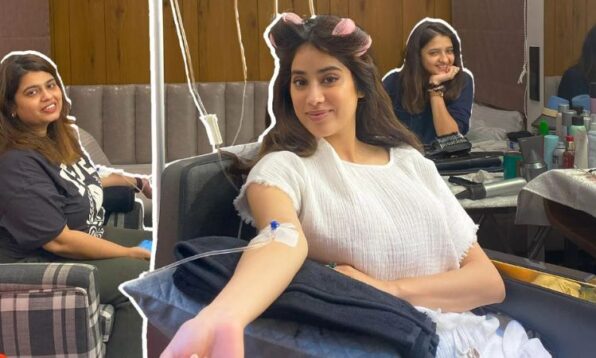
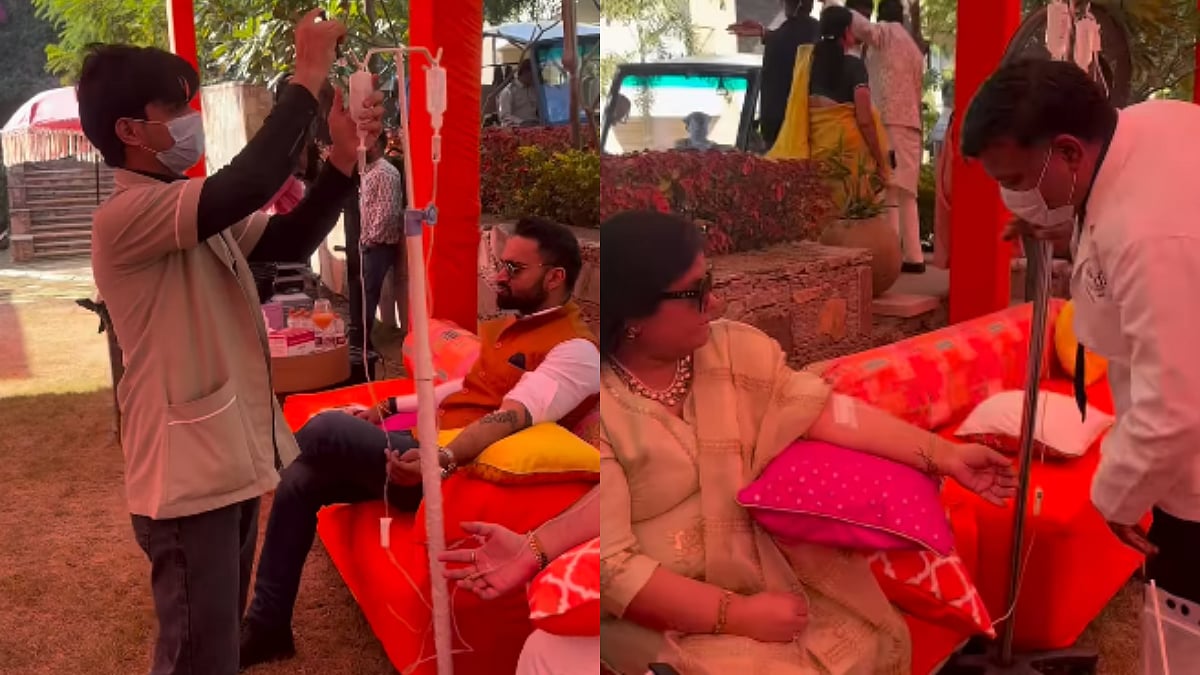
We’ve all been there: head pounding, mouth like sandpaper, swearing you’ll never drink again. But what if someone offered you a quick fix — a medical-grade IV drip that promises to have you back on your feet in under an hour? That’s exactly what guests at a lavish wedding discovered recently, in a video that set the internet ablaze. Footage showed attendees casually receiving IV drips between dance floor sessions, treating hangovers like ordering another round of drinks. The clip racked up millions of views, with comments split between “This is genius!” and “Have we completely lost the plot?” Hangover IV drips have gone from celebrity secret to mainstream wellness trend. Mobile services now advertise on Instagram, promising to cure your post-party misery within minutes. It sounds perfect, doesn’t it? We spoke to Dr Kavya Salian to know if hangover IVs are a good idea or a disaster in the making.
How safe are IV drips?
For the unversed, IV drips for hangovers are medical treatments where fluids, electrolytes, vitamins, and sometimes medications get pumped straight into your veins to tackle those awful morning-after symptoms. The idea is that by bypassing your digestive system entirely, you’ll rehydrate faster and feel human again. These days, you don’t even need to leave your bed; mobile services will come to your door and hook you up for a premium price, promising you’ll be back to normal in under an hour.
When administered properly, IV drips can be relatively safe. However, Dr Salian is quick to point out they’re far from risk-free. “The major risks include infection at the injection site, phlebitis (vein irritation), bruising or infiltration (fluid leaking into tissue), electrolyte imbalance if the mix is not appropriate and allergic reactions to vitamins or medications in the drip,” she explains.
The risks increase significantly with at-home, unregulated services where proper medical protocols may not be followed. What might seem like a convenient solution could lead to serious complications.
Do hangover IVs work?
The right answer to this million-dollar question is No. While IV drips can rehydrate you faster than drinking water, Dr Salian emphasises, “They do not ‘cure’ a hangover; in fact, they just treat dehydration.” For most people, oral hydration, rest, a light meal, and time work just as effectively, without the needle or hefty price tag. There’s no strong advantage of IV drips unless someone is severely dehydrated and oral hydration might not do the job.
Who should avoid IV drips?

Certain groups should steer clear of hangover IVs altogether. Dr Salian says people with heart disease, kidney disease, liver problems, or electrolyte disorders face heightened risks. Those on medications like diuretics or certain anti-hypertensives should also avoid them, as should anyone with a history of allergic reactions to IV vitamins. Pregnant women should only receive IV therapy in a hospital setting.
All that can go wrong with IV drips for a hangover
Dr Salian has witnessed cases where hangover IV drips have led to emergency room visits. “There have been complications requiring emergency care, like infections from poor hygiene or improper technique, electrolyte disturbances (too much or too little sodium), fluid overload, especially in people with heart/kidney issues, fainting or vasovagal episodes during insertion, and allergic reactions to vitamin cocktails,” she reports. Most complications stem from untrained staff or inadequate patient screening. These issues are more common in trendy wellness settings than proper medical facilities.
Beyond physical risks, there’s a psychological concern. While not physically addictive, people can develop a psychological dependence on using IV drips to “undo” heavy drinking. “This can hide patterns of harmful alcohol use,” Dr Salian warns. Frequent IV access can also damage veins, cause scarring, and increase infection risk.
Perhaps most concerning is that hangover IVs don’t fix drinking problems. By wiping away the nasty after-effects, they can actually encourage heavier drinking, removing the body’s natural warning signs that tell you to slow down.
How to choose the right IV drip provider
If you’re determined to try an IV drip, Dr Salian advises thorough vetting. Look for a licensed doctor, nurse, or paramedic administering the treatment, sterile single-use supplies, proper medical questionnaires and vital signs checks, and clear information about the drip’s contents. Never get an IV drip from salons or event bars.
So, how do you cure a heavy hangover?

Dr Salian recommends sticking to evidence-based remedies: adequate water intake and electrolyte drinks, light, easily digestible meals, over-the-counter pain relievers like paracetamol or ibuprofen for headaches, antacids for acid reflux if needed, and plenty of rest.
“These work for most people and avoid IV-related risks,” she notes. Your body needs time to metabolise alcohol and repair cellular damage. No expensive drip can fast-track that process, she adds. So, save your money and spare your veins. A hangover might feel unbearable, but the traditional remedies remain the safest bet.
For more personal advice, you can reach out to Dr Kavya Salian here.
Featured Image Source
More from All About Eve
Is Your Daily Coffee Habit Affecting Your Fertility? A Fertility Coach Reveals The Truth
6 Medical Tests Every Woman Should Get Done Before Her Wedding
Drinking Matcha Put A Woman In Hospital. Could You Be At Risk?
Worst Food And Alcohol Combinations That You Should Avoid (Unless You Love A Hangover)
- Share:
-

-

-