Web Stories
Skin Flooding vs Slugging: Which Viral Hydration Hack Actually Works For Your Skin?


If you follow skincare trends, you would have probably come across the terms skin flooding and slugging. One promises plump, dewy skin by layering hydration. The other seals everything in with a thick occlusive layer and claims you’ll wake up looking like you’ve had a facial. The problem is that social media often makes them sound interchangeable. In reality, they’re completely different techniques that work in different ways, and choosing the wrong one for your skin can leave you dealing with clogged pores, irritation, or simply wasted products. So if you’ve been gauging skin flooding vs slugging for your skin, here’s what dermatologists and skin science actually suggest.
Related: Not Just Hormones Or Humidity: This Sleeping Habit Could Be Triggering Your Acne Breakouts
What is skin flooding?
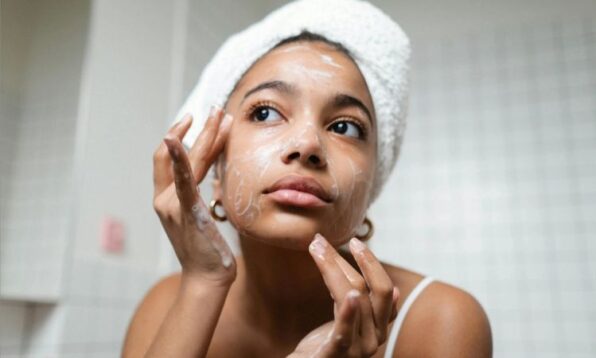
Skin flooding is exactly what it sounds like. Instead of applying one moisturiser and calling it a day, you layer several lightweight hydrating products onto slightly damp skin. The idea is to give your skin multiple sources of water and humectants before locking everything in with a moisturiser.
A typical skin flooding routine usually looks like this:
- Gentle cleanser
- Hydrating toner or essence
- Hyaluronic acid serum
- Peptide or glycerin-based serum
- Moisturiser
Unlike many viral skincare hacks, this one is actually based on skin physiology. The outer layer of your skin, known as the stratum corneum, functions best when it has enough water. Ingredients like hyaluronic acid, glycerin, panthenol, beta-glucan and polyglutamic acid attract water into the skin, helping it appear smoother and more elastic. However, if you’re layering humectants without finishing with a moisturiser, especially in dry weather, those ingredients may actually pull water out of the deeper layers of your skin instead of from the environment. That’s why the final moisturising step is not optional.
What is skin slugging?
Slugging has been around long before social media gave it a catchy name. Dermatologists have recommended petroleum jelly for decades to help repair compromised skin barriers. The technique involves applying your usual skincare routine first, then finishing with a thin layer of an occlusive product, most commonly petroleum jelly. Rather than adding hydration, slugging traps existing moisture inside the skin and reduces transepidermal water loss, the natural process of water evaporating from your skin.
Slugging is not hydrating on its own. If your skin is already dehydrated and you only apply petroleum jelly, you’re simply sealing in dryness.
Skin flooding vs slugging: Solving different problems

Many people compare these two techniques as though one has to be better than the other. But these two are completely different techniques targeting different problems. One provides hydration while the other helps retain it.
Skin flooding is best for skin that feels dehydrated, tight, dull, or lacks bounce. It focuses on increasing water content within the skin. Slugging, meanwhile, is ideal for preventing moisture loss, especially when over-exfoliation, retinoids, harsh weather, or skin treatments have weakened your skin barrier. Understanding this difference can save you from buying products you don’t actually need.
The biggest mistake people make with both techniques
One of the most common skincare myths is believing that more layers automatically mean healthier skin. With skin flooding, excessive layering can become a problem. Applying six or seven hydrating serums with similar ingredients rarely gives additional benefits. Instead, it can lead to product pilling, irritation, or unnecessary spending. Your skin can only absorb so much.
With slugging, the mistake is applying a thick, greasy layer every night regardless of skin type. More petroleum jelly does not mean more hydration. In fact, a very heavy layer can feel uncomfortable and transfer onto your pillowcase, leading to pillowcase acne.
Which skin types should try skin flooding?
If your skin often feels dry after cleansing but still produces some oil later in the day, there’s a good chance you’re dealing with dehydration rather than dryness.
People with these skin concerns often benefit from skin flooding:
- Dehydrated skin
- Combination skin
- Skin exposed to air conditioning
- Skin recovering from mild irritation
- Dull or tired-looking skin
- Mature skin that has lost some natural moisture
If you use active ingredients like retinol or exfoliating acids, skin flooding can also help reduce the tightness they sometimes cause by replenishing hydration between treatment nights.
Who should be careful with slugging?

Despite its popularity, slugging isn’t suitable for everyone. If you have oily or acne-prone skin, covering your face with a heavy occlusive every night may create an environment in which trapped oil, sweat, and dead skin cells contribute to congestion. While petroleum jelly itself is generally considered non-comedogenic, it can trap whatever is already sitting on your skin.
People with fungal acne may also find that heavy occlusive routines make their skin feel worse. If you want to try slugging, start by using it only once a week rather than making it part of your nightly routine. Also make sure you apply only a thin layer of petroleum jelly.
Can you combine skin flooding and slugging?
Yes, but only if your skin actually needs both. For someone with an impaired skin barrier after using prescription retinoids or recovering from winter dryness, combining skin flooding with a light layer of slugging can be very effective.
However, the order matters. Hydrating products come first. Moisturiser comes next. The occlusive layer comes last.
Remember, seasonal skincare changes everything. During the hot and humid months, you might want to go for skin flooding with fewer and lightweight hydrating products. And you might want to skip skin slugging altogether. So, before you try any skincare trend, listen to what your skin is telling you, and you’ll be sorted.
Featured Image Source
Related: How To Repair Damaged Skin Barrier On Your Body Naturally: Simple Habits That Actually Help
FAQs
Q1. Can I use skin flooding before applying makeup?
Yes. A simplified skin flooding routine using lightweight hydrating products can create a smoother base for makeup. Just allow each layer to absorb fully before applying primer or foundation to prevent pilling.
Q2. Is slugging safe around the eye area?
It can be, provided the product doesn’t get into your eyes. A very thin layer around the orbital bone may help reduce overnight dryness, but people prone to milia should avoid applying heavy occlusives too close to the eyelids.
Q3. Should I stop using vitamin C if I’m trying skin flooding?
Not at all. Vitamin C can still be part of your morning routine. Apply it before your hydrating serums if the formulation recommends clean, dry skin, then continue with the rest of your routine.
Q4. How long does it take to see results from skin flooding?
Many people notice a temporary plumping effect immediately after application, but improvements in overall hydration and skin texture generally become more noticeable after two to four weeks of consistent use.
Q5. Can hard water affect the results of skin flooding or slugging?
Yes. Hard water minerals can leave residue on the skin and may interfere with how comfortable your skin feels after cleansing. If you live in a hard water area, here’s how you can maintain healthy skin.
- Share:
-

-

-