Web Stories
Could Your Water Be Undoing All Your Skincare Efforts? Here’s How Hard Water Affects Your Skin

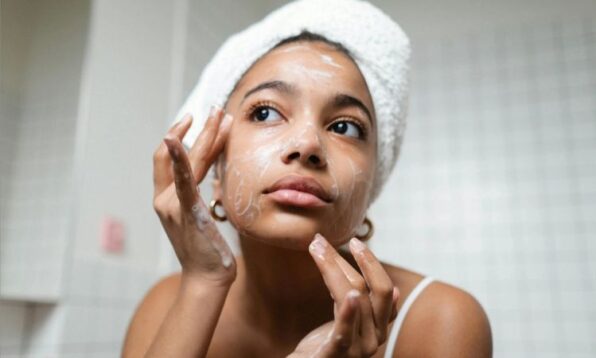
We think more about the products we put on our skin than the water we wash with. Cleansers, serums, moisturisers, and sunscreens often get the spotlight, while water is ignored. Yet, for millions of people living in hard water areas, the very thing they use to cleanse their skin could be making it more vulnerable. Hard water is not unsafe to drink or bathe in. In fact, it contains naturally occurring minerals that are considered beneficial in many ways. The problem begins when these minerals interact with your skin and the products you use every single day. Over time, the effects of hard water on the skin begin to appear as dryness and irritation.
Related: Hydration Without The Humidity: Best Summer Moisturisers To Beat Sticky Skin
What exactly is hard water?
Hard water contains high levels of dissolved minerals, mainly calcium and magnesium. As rainwater moves through rocks such as limestone and chalk, it naturally picks up these minerals before reaching homes through the water supply. While these minerals are harmless for consumption, they behave differently when they come into contact with soaps and cleansers. Instead of soap being rinsed away completely, this combination with hard water can create a stubborn residue that clings to the skin. This invisible layer may not seem like a big deal after one shower, but repeated exposure can gradually interfere with the skin’s natural balance.
That is why homes with hard water often experience limescale on taps, showerheads, and kettles. Similar mineral deposits can also remain on the skin, although they are far less visible.
Why your skin barrier matters
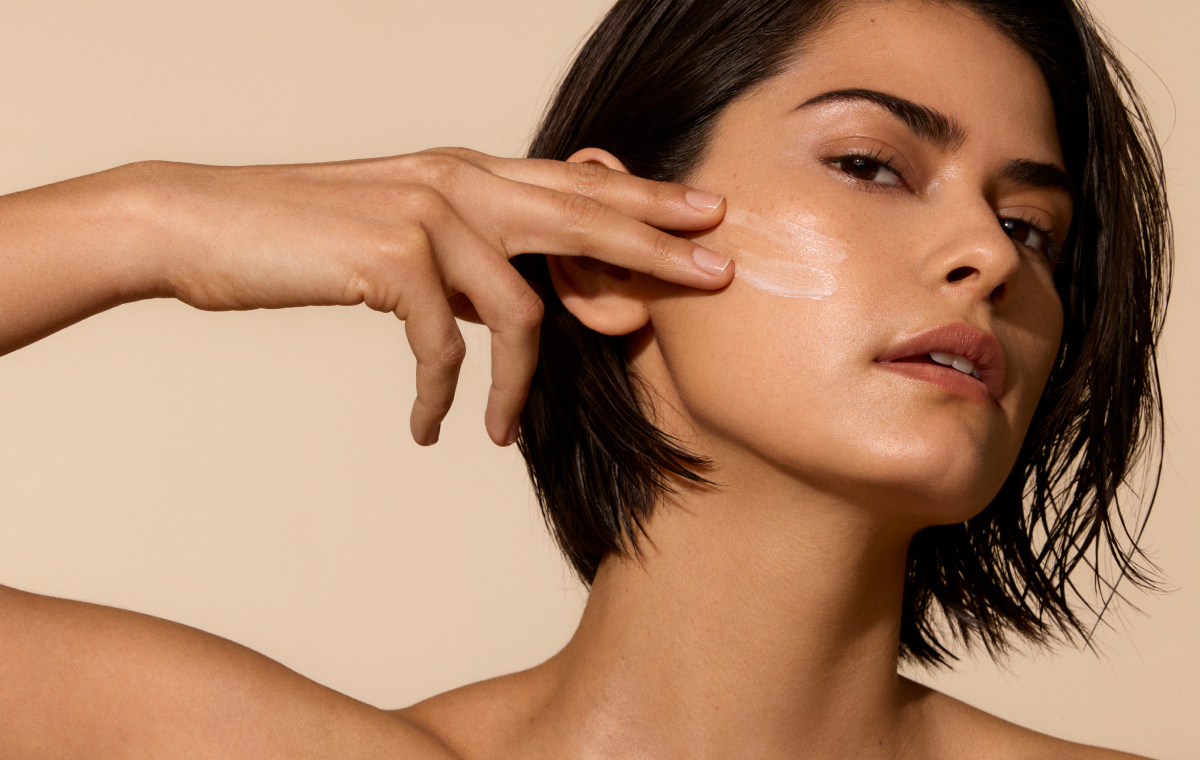
Think of your skin barrier as your body’s built-in defence system. It works around the clock to keep moisture locked in while stopping irritants, pollution and bacteria from getting in. When it’s in good shape, your skin feels soft, smooth and comfortable without much effort. However, hard water can throw that balance off. Every time you wash, tiny mineral deposits can be left behind on your skin. These deposits, along with leftover soap residue, can interfere with your skin’s natural oils, making it harder to hold on to moisture. Before long, your skin may start feeling dry, rough, or uncomfortably tight.
The frustrating part is that it often turns into a vicious cycle. When skin feels dry, many people wash more often or reach for stronger cleansers, thinking they need a deeper clean. In reality, that can strip away even more of the skin’s protective barrier, leaving it even more vulnerable than before.
Dry skin is only part of the story
Dryness is usually the first thing people notice, but it is rarely the only effect hard water can have. You might find that your favourite cleanser suddenly starts stinging or that your skin looks red for no obvious reason. Some people notice flaky patches that never seem to go away, while others feel their skin has become much more sensitive than it used to be. If your skin was already on the sensitive side, hard water can make those flare-ups happen more often.
That doesn’t mean hard water directly causes skin conditions. Instead, it can make it harder for your skin to protect itself. Once the skin barrier is weakened, everyday things that normally wouldn’t bother you, such as changes in weather or certain skincare products, may suddenly leave your skin feeling irritated.
People with eczema often know this all too well. Research suggests that living in hard water areas may increase the likelihood of eczema developing in children and can make existing symptoms more difficult to manage. While hard water is not the sole cause of eczema, it can be another everyday factor that keeps already-sensitive skin under constant stress.
Your shower could be making things worse
There is nothing wrong with enjoying a long, hot shower, especially on a cold morning. Unfortunately, your skin may not appreciate it quite as much. Hot water removes your skin’s natural oils much faster than lukewarm water. Add hard water into the mix, and your skin has an even tougher time replacing the moisture it has lost. Instead of feeling refreshed after your shower, your skin may end up feeling tight and dehydrated before you’ve even dried off.
The good news is that you don’t have to give up your shower altogether. Simply turning the temperature down a little can help your skin hold on to more of its natural moisture over time.
Hard water effects on skin

Because the effects build up gradually, hard water is easy to overlook. However, if several of these sound familiar, your water supply could be playing a bigger role than you realise.
- Your skin feels tight soon after washing.
- Dry patches appear even though you moisturise regularly.
- Your cleanser never seems to rinse away properly.
- You experience frequent itching without an obvious cause.
- Your skin has become more sensitive than it used to be.
- Moisturisers no longer seem to give lasting relief.
- Soap doesn’t lather as well as you would expect.
None of these signs confirm that hard water is the culprit, but together, they can indicate that the issue goes beyond your skincare routine.
How to reduce the effect of hard water on skin
You can’t change the water that flows through your local pipes, but you can make a few simple adjustments to help your skin deal with it more effectively.
One of the easiest things you can do is apply moisturiser straight after washing, while your skin is still slightly damp. This helps trap moisture before it evaporates and gives your skin barrier extra support. If dryness is a regular problem, choose products containing ingredients like ceramides, glycerin or hyaluronic acid, which are known for helping the skin stay hydrated.
If hard water is a constant issue in your area, installing a water softener may also be worth considering. These systems reduce the amount of calcium and magnesium in the water, helping to minimise limescale around the home and, for some people, making skin feel less dry and more comfortable.
It is also worth listening to what your skin is telling you. If it always feels stripped after cleansing, using stronger products is unlikely to solve the problem. A gentler routine often gives your skin the chance to repair itself and become more resilient over time.
At the end of the day, healthier skin isn’t always about buying another serum or moisturiser. Sometimes, it comes down to recognising everyday habits and environmental factors, including the water you wash with.
Featured Image Source
Related: No More Dry And Patchy Skin: Get An Illuminating Glow With These 8 Foundations For Dry Skin
FAQs
Q1. Can hard water affect oily or acne-prone skin?
Yes. Mineral residue can make it harder to remove excess oil and impurities completely, which may leave acne-prone skin feeling congested over time.
Q2. Is filtered water better for washing your face?
It depends on the type of filter. While basic filters remove some impurities, only systems designed to reduce water hardness can significantly lower calcium and magnesium levels.
Q3. Does hard water affect children’s skin more than adults’?
Children’s skin is naturally thinner and more delicate, so it may be more sensitive to environmental factors, including hard water.
Q4. Can hard water make makeup look patchy?
It can. When skin is dehydrated or has mineral residue on its surface, foundation and other complexion products may cling to dry areas and appear uneven.
Q5. How can I tell if my home has hard water?
Signs like limescale on taps, cloudy glassware, stiff laundry, and poor soap lather often indicate hard water.
- Share:
-

-

-