Web Stories
Serious About Your Weight Loss? Stop Believing In These Portion Control Myths

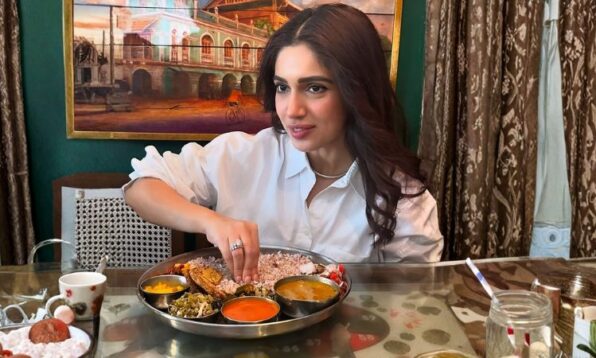
For something as simple as deciding how much food to put on a plate, portion control has become surprisingly confusing. Social media trends, outdated diet advice, and “one-size-fits-all” wellness tips have created a long list of myths that many people still follow without question. The truth is, healthy eating is far less rigid than we’ve been led to believe. Good portion control isn’t about punishing yourself or constantly feeling hungry; it’s about understanding what your body actually needs. Here are some of the biggest portion control diet myths that deserve to be retired for good.
1. Smaller plates fix everything
One of the most repeated tips is that using a smaller plate will automatically make you eat less. While there is some psychology behind visual perception, it’s hardly a magic trick. If you’re really hungry, you’ll simply refill the plate or snack later. In some cases, smaller portions at meals can even trigger stronger cravings in the evening. A better approach is paying attention to satiety signals. Foods rich in protein, fibre and healthy fats naturally help you stay fuller for longer. The plate matters far less than what’s actually on it.
2. Portion control means eating tiny meals
Many people associate portion control with sad salads and microscopic servings. In reality, it’s about eating the right balance. For example, a large bowl of vegetables with grilled chicken and olive oil can be far more satisfying and nutritious than a tiny pastry that leaves you hungry within an hour. Interestingly, modern nutrition experts are now focusing more on food volume rather than strict calorie restriction. High-volume foods with lower energy density often help people feel satisfied without overeating.
3. Healthy foods have unlimited portions
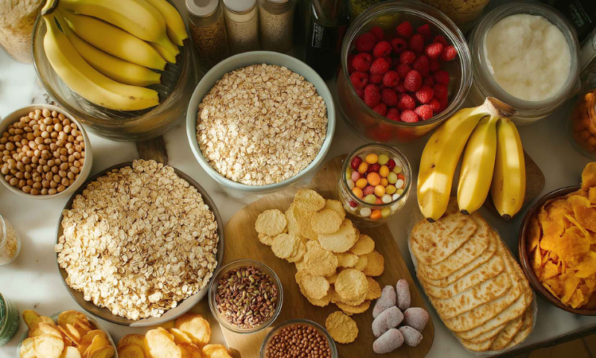
This portion control diet myth catches plenty of health-conscious eaters. Foods labelled as “healthy” can still become excessive when portions are ignored. Nuts, smoothies, granola, nut butter, and dried fruit are all nutritious but also energy-dense. A “healthy snack” can quickly turn into the calorie equivalent of a full meal if you’re not cautious. The key is awareness. Even nutritious foods work best when eaten mindfully rather than automatically.
4. You should always clear your plate
Many of us grew up hearing phrases like “finish everything on your plate”. While it may have been well-intentioned, this habit can disconnect us from our natural hunger cues. Eating until the plate is empty rather than until you’re comfortably full teaches the body to ignore signals of satisfaction. A useful shift is learning the difference between being full and being satisfied. Satisfaction often arrives before that heavy, overstuffed feeling. And if you’re concerned about wastage, start with small portions and refill your plate if you still feel hungry.
5. Portion control is the same for everyone
This is perhaps one of the most misleading beliefs of all. Portion needs vary massively depending on age, activity level, sleep, hormones, stress and even climate. A marathon runner and someone working a desk job all day should not be eating identical portions simply because a chart says so. Even appetite naturally changes from day to day. Your body isn’t a calculator, and eating habits shouldn’t be treated like fixed equations.
6. Counting calories is the only way

Calorie tracking can help some people become more aware of eating habits, but it’s far from the only method of portion control. Many people maintain healthy eating patterns without measuring every gram of food. Even visual guides, such as using your palm for protein or a fist-sized serving for carbohydrates, can be effective. In fact, obsessive tracking sometimes causes people to lose touch with natural hunger awareness, turning meals into math exercises instead of nourishment.
7. Skipping meals balances large portions
A heavy lunch doesn’t need to be “punished” by skipping dinner. This cycle often backfires because intense hunger later leads to overeating again. Balanced eating throughout the day tends to regulate appetite far better than extreme restriction followed by indulgence. Your body responds better to consistency than chaos.
8. Restaurant portions are normal portions
Over the years, restaurant servings have become much larger than standard nutritional recommendations. Many people now see oversized meals as normal simply because they’re common. A useful trick is mentally separating a restaurant meal into two servings before you even begin eating. Not because you must stop halfway, but because it resets your perception of what an average portion actually looks like.
One of the most overlooked truths about portion control is that how you eat matters nearly as much as what you eat. Eating while distracted, like scrolling through your phone, working or watching television, makes it much harder to notice fullness cues. Slowing down, chewing properly and pausing midway through a meal can naturally reduce overeating without strict dieting rules. And perhaps the most refreshing truth of all? Healthy eating doesn’t need to feel like constant control. Eat healthy food, do not starve yourself, and do not try to curb your cravings all the time.
Featured Image Source
Related: Still Overthinking Everything You Eat In A Day? Here’s Why You Should Try Intuitive Eating
FAQs
Q1. Can drinking water before meals reduce overeating?
Yes, drinking water before eating may help some people feel fuller sooner, especially if they often confuse thirst with hunger.
Q2. Are portion sizes different for children and adults?
Absolutely. Children need smaller but nutrient-rich portions because their energy and growth requirements differ from those of adults.
Q3. Does eating quickly affect portion control?
Yes. Fast eating can delay fullness signals reaching the brain, which may lead to eating more than the body actually needs.
Q4. Can stress influence portion sizes?
Stress often increases emotional eating and cravings for high-sugar or high-fat foods, making portion awareness more difficult.
Q5. Is it better to eat from packets or serve food onto a plate?
Serving food onto a plate usually improves awareness of how much you’re eating compared to eating directly from packaging.
- Share:
-

-

-