Web Stories
Rashmika-Vijay Wedding: Did You Notice Alta On The Groom’s Hands? It’s More Than A Fashion Choice
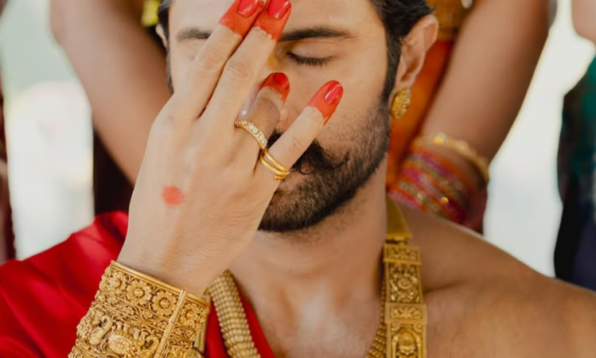
Actors Rashmika Mandanna and Vijay Deverakonda have finally made it official! The couple recently got married in an intimate ceremony in Udaipur. They posted their wedding photos with the most wholesome captions reflecting their love for each other. The wedding beautifully blended Telugu and Kodava traditions. The couple chose ensembles by fashion designer Anamika Khanna, with Rashmika glowing in rich silk and heirloom jewellery while Vijay kept it classic in an ivory dhoti and angavastram.
While the gorgeous photos, rituals, and fashion had everyone swooning, one unexpected detail truly stole the spotlight. Vijay Deverakonda wore alta on his hands and feet, a choice that instantly sparked conversation and turned a traditional groom’s look into a cultural moment. It also got everyone asking why men wear alta.
Why do men wear alta?
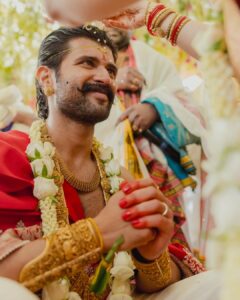
Alta, the traditional red dye, is an auspicious element in Indian culture. It signifies marital bliss, fertility, and cultural heritage. But alta is usually synonymous with women, especially brides who adorn their hands and feet with the red dye. So, when Vijay Deverakonda showed up as a groom wearing alta, it sparked curiosity. But here’s the thing: in several Indian communities, alta isn’t gendered. It’s ceremonial.
In parts of eastern India, especially West Bengal and Odisha, alta symbolises shakti, prosperity, and sacredness. People also refer to it as mahavar, lakshya rasa, parani, alah, or vasantam. While it’s more visibly associated with brides today, historically, men participating in rituals, including grooms, have also worn it as a mark of sanctity.
In weddings rooted in older temple traditions, alta isn’t about ornamentation. It signifies that the body is prepared for a sacred rite. It’s a ritual before it is aesthetic. But why did only Vijay Deverakonda wear alta and not Rashmika Mandanna?
The parani ritual in Telugu weddings
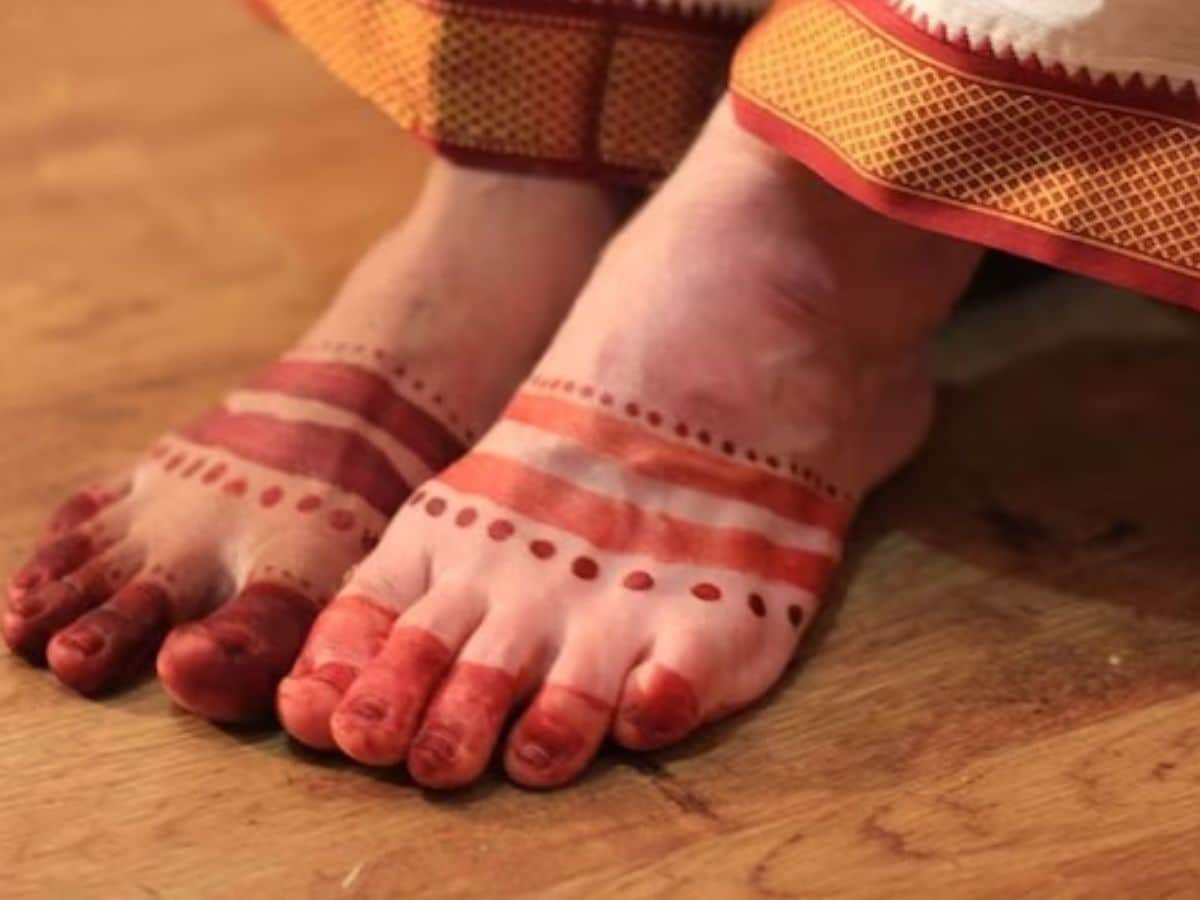
In traditional Telugu weddings across Andhra Pradesh and Telangana, there’s a lesser-discussed but deeply symbolic ritual called Parani. According to Telugu Traditions, during this ceremony, parani, a red dye, is often made by mixing turmeric and lime. It is then applied to the bride and groom’s feet.
Parani signifies auspiciousness, protection from evil energies, and readiness to step into a new phase of life. Since Vijay belongs to Telangana, he followed the ritual by applying the red dye on his hands and feet. Rashmika hails from Karnataka where wearing alta is not mandatory for brides.
So while wearing alta may not be the mainstream “groom look” we’re used to seeing on Instagram, it isn’t out of place within ritual frameworks.
Featured Image Source
More from All About Eve
Dear Brides, Not Wearing Mehendi Isn’t Apshagun, You Can Opt For Alta Instead
Easy Mehendi Alternatives For Brides Who Don’t Want To Sit In One Place For Hours
Want Your Shaadi To Go Viral On Instagram? Hire A Wedding Content Creator
Wedding Season 2026: 7 Gorgeous, Trendy Accessories For Brides And Bridesmaids
Unique Ways To Make Your Wedding An Engaging Affair For Your Guests
- Share:
-

-

-