Web Stories
Do You Really Need To Soak Your Nuts Or Is It Just A Myth?

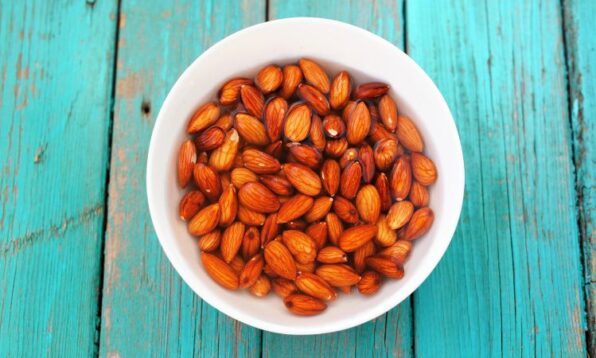
For years, we have been advised to soak nuts overnight to unlock superior nutrition. Some even insist that eating them unsoaked is a mistake. The question is repeated everywhere: are soaked nuts healthier? It is an appealing idea. Drop almonds into water before bed, wake up to a bowl of “activated nuts”, and feel as though you have upgraded your breakfast. But when you move beyond tradition and trend, the science tells a more measured story.
Related: I Tried Eating Sesame Seeds For 15 Days. What I Experienced Shocked Me
Why do people soak nuts?
The case for soaking usually centres on anti-nutrients, especially phytic acid and enzyme inhibitors in nuts. These compounds can bind to minerals such as zinc and iron, potentially reducing the bioavailability of minerals in the body. The theory is that soaking leads to phytic acid reduction, which in turn may improve nutrient absorption and enhance zinc and iron absorption.
There is also the belief that soaking improves the digestibility of nuts. In practices such as Ayurveda, soaked almonds are often recommended for easier digestion and mental clarity. Soaking softens the nut, makes the skin easier to remove, and is thought to support gut health.
What research actually shows
:max_bytes(150000):strip_icc()/Soakingnuts-GettyImages-466877786-5abc4d40875db90037b7b9fa.jpg)
A widely cited 2020 study published in Food Chemistry examined almonds, hazelnuts, peanuts and walnuts after soaking. The researchers found that soaking did not significantly reduce phytic acid levels. In some cases, mineral concentrations were slightly lower after soaking, and the phytate to mineral ratio did not meaningfully improve. In simple terms, soaking did not substantially increase the bioavailability of minerals.
Another study on almonds found that soaking almonds did not improve gastrointestinal tolerance compared with raw almonds and did not reduce phytate content in a meaningful way. This challenges the idea that soaked almonds are automatically gentler on the stomach or nutritionally superior.
Do soaked nuts lose nutrients?
Another question that rarely gets attention is whether soaking may actually reduce certain nutrients. Nuts contain water-soluble vitamins and minerals that can leach into soaking water. While losses are not necessarily dramatic, soaking does not magically increase the nutrient content. If anything, there is potential for small decreases.
Nuts already provide fibre, healthy fats, plant-based protein, vitamin E, magnesium, and more. These benefits are present whether the nuts have been soaked or not.
What about digestibility?

Here is where personal experience matters. Soaked nuts are softer. For some people, particularly those with dental issues or very sensitive digestion, this can make them easier to chew and more comfortable to eat. That may improve the digestibility of nuts in a practical sense. However, studies have not consistently shown that soaking dramatically changes how the body handles almonds or walnuts in healthy adults. The idea that soaking walnuts benefits digestion in a clinically meaningful way remains largely anecdotal.
So, are soaked nuts healthier? For most people, the answer is no, not in any significant or measurable way.
Soaking may soften the texture and suit personal preference. It may align with cultural traditions or simply make your morning routine feel more intentional. But current evidence does not show that soaking substantially improves mineral absorption, plant-based protein absorption, or overall nutritional value compared with eating nuts without soaking.
Featured Image Source
Related: 9 Anti-Ageing Foods You Should Add To Your Diet Before It’s Too Late
FAQs
Q1. How long should nuts be soaked if you choose to soak them?
Most people soak nuts for six to 12 hours in room-temperature water, though exact times vary depending on the type of nut and personal preference.
Q2. Should soaked nuts be refrigerated?
Yes, once soaked, nuts should be stored in the refrigerator and consumed within a day or two to reduce the risk of spoilage.
Q3. Can soaking nuts reduce bloating?
Some individuals report less bloating with soaked nuts, but this tends to be personal and not universally experienced.
Q4. Are roasted nuts better than soaked nuts?
Light roasting can enhance flavour and reduce moisture, but excessive heat may degrade certain nutrients, so moderation is key.
Q5. Is it necessary to dry nuts after soaking?
If you want to store nuts longer, drying them thoroughly helps prevent mould growth and extends shelf life.
Q6. Are soaked nuts suitable for children?
Soaked nuts can be suitable for all ages if safely prepared, but whole nuts should be avoided for young children due to the risk of choking.
- Share:
-

-

-