Web Stories
Is Aesthetic Labour On Instagram Making Us Anxious?

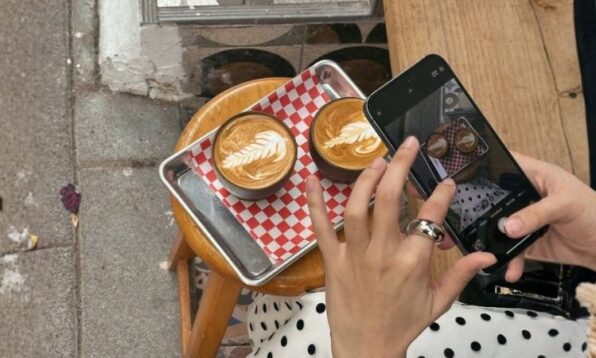
Instagram is all about aesthetics. Neatly arranged breakfast bowls, softly lit bedrooms, colour-coordinated outfits, and morning routines that look like scenes from a lifestyle advertisement. Even moments meant to appear spontaneous are carefully staged. In today’s digital culture, aesthetics are no longer an occasional extra; they are the expectation. We are not simply living our lives; we are curating them. The pressure now is not just to live well, but to look like we are living well, effortlessly and continuously. And while these feeds may appear calming on the surface, behind the screen, Instagram is making us anxious.
Psychiatrist Dr Era Dutta explains that this constant visual performance quietly fuels stress. “Comparison slowly turns into a need for perfectionism based on someone else’s standards,” she says. “There is always a newer, cleaner, calmer version of the same life online, and the pressure to keep up never really switches off.”
When validation becomes visible
At the heart of aesthetic labour lies a very human need: the desire to be liked, admired and to belong. Wanting approval is not new. What has changed is how public and measurable it has become. Social media platforms have transformed connection into numbers, and numbers into self-worth.
Dr Dutta points out that visibility has now become validation. “Social media has turned approval into a visible scorecard. Likes, shares, comments and views have become social currency,” she explains. As a result, the image starts to matter more than the experience itself. A holiday feels incomplete unless it is posted. A celebration seems less meaningful if it is not shared. Even everyday joys are filtered through how they will appear online.
This shift is also closely tied to fear of missing out. When everyone else seems to be living a fuller, prettier and more aesthetic life, not participating can feel like social invisibility. People are no longer just living moments; they are producing content.
Who feels the pressure most?
The aesthetic culture on Instagram is making everyone anxious, but its impact varies depending on age, income and personality. Younger people tend to be the most vulnerable. Adolescence and early adulthood are stages where identity and self-worth are still forming. When that development becomes dependent on online validation, it can create deep emotional strain. “When self-worth is still developing, external approval carries a lot of weight,” says Dr Dutta. “The gap between real life and online life can lead to anxiety, confusion, and a chronic sense of inadequacy.”
Financial pressure also quietly enters the picture. Many people spend more not out of necessity, but to project a lifestyle that looks impressive online. Dr Dutta notes that this often leads to lifestyle inflation, where individuals live beyond their means to maintain appearances. Over time, this creates financial stress layered on top of emotional pressure.
Personality traits play a role too. Those prone to perfectionism, people-pleasing or anxiety tend to internalise Instagram culture more deeply. For them, each post can feel like a performance review. “For some people, Instagram doesn’t inspire; it constantly evaluates,” Dr Dutta explains.
The burnout behind the filters
Although it is rarely acknowledged, maintaining an aesthetic life requires effort. Choosing outfits, staging photos, editing images, curating captions and sustaining a certain online persona all demand time and emotional energy.
“Aesthetic labour is still labour,” Dr Dutta emphasises. “It requires cognitive effort, emotional investment, and constant maintenance.” Over time, this can lead to a quiet form of burnout, where persistent fatigue comes from always packaging one’s life for consumption.
There is also a toll on self-esteem. When approval is tied to how polished and attractive life appears online, the unfiltered version of the self can start to feel insufficient. Ordinary moments seem boring. Rest feels unproductive, and imperfection feels unacceptable. While aesthetics are part of professional life for influencers and creatives, problems arise when everyday individuals begin treating their existence like a brand without boundaries, compensation, or rest.
Learning to live without performing

So how do we step off the constant stage and reconnect with real life? According to Dr Dutta, the shift begins by prioritising experience over appearance. “Caring less about how things look and more about how they feel is key,” she says. Being present, rather than reflexively reaching for the camera, helps reclaim moments for ourselves. Learning to enjoy experiences privately, without needing public approval, is important. Dr Dutta suggests allowing some moments to remain undocumented and personal. “Not every moment needs an audience. Life is imperfect and messy, and our online spaces can be too.”
Reducing the urge to beautify every aspect of daily life can feel uncomfortable at first, especially in a culture built on constant sharing. But it is often in ordinary, unfiltered moments that genuine peace and contentment are found.
A more human way forward
Instagram and aesthetics themselves are not the enemy. They can inspire creativity, beauty, and self-expression. The problem arises when life becomes a continuous performance, measured by engagement and comparison rather than fulfilment.
Aesthetic labour has quietly turned everyday living into work — emotional, mental, and sometimes financial. And while the feeds may look serene, the people behind them are often juggling anxiety, exhaustion, and self-doubt.
Perhaps the most freeing shift we can make is allowing life to be less polished and more real. To enjoy experiences without documenting them. To accept mess, boredom, and imperfection as part of being human. In a world obsessed with looking calm and put together, choosing authenticity may be the healthiest aesthetic of all.
If you have any mental health concerns, you can reach out to Dr Era Dutta here.
Featured Image Source
Related: Why Has Gen Z Turned Mental Health Into A Personality Trait?
FAQs
Q1. Does aesthetic culture on Instagram always make us anxious?
Not necessarily, it can encourage creativity and self-expression, but becomes unhealthy when self-worth starts depending on online approval.
Q2. Can taking breaks from social media actually reduce anxiety?
Yes, even short digital breaks help reset comparison habits and improve mood and concentration.
Q3. Why do aesthetic trends change so quickly online?
Platforms thrive on novelty, so new visuals constantly replace old ones to keep users engaged.
Q4. How can someone enjoy Instagram without feeling pressured to perform?
By following diverse, realistic accounts and using the platform more for connection than presentation.
Q5. What are the early signs that aesthetic pressure is affecting mental health?
Constant comparison, stress around posting, and feeling low after scrolling are common warning signals.
- Share:
-

-

-